
In the harshest polar environments, maintaining dexterity while protecting hands from frostbite represents one of humanity’s most critical equipment challenges.

Arctic exploration, mountaineering expeditions, and sub-zero industrial operations demand specialized handwear that balances thermal protection with tactile sensitivity. The evolution of cold-weather gloves has transformed from rudimentary leather mittens to sophisticated multi-layered systems incorporating cutting-edge materials science and ergonomic design principles. Understanding how to craft gloves that preserve both warmth and precision requires examining the physiology of cold exposure, material innovation, and the specific demands of extreme environments.
🧊 The Science Behind Cold Hand Protection
Human hands lose heat rapidly in sub-zero conditions due to their high surface area-to-volume ratio and extensive vascular network. When core body temperature drops, peripheral vasoconstriction diverts blood away from extremities, reducing finger temperature and compromising motor control. At temperatures below -15°C (5°F), unprotected hands can develop frostbite within minutes, while fine motor skills deteriorate significantly even before tissue damage occurs.
The challenge in designing Arctic gloves lies in creating an insulation barrier that traps warmth without sacrificing the tactile feedback essential for tasks requiring precision. Research conducted by cold-weather physiologists demonstrates that finger dexterity decreases by approximately 50% when skin temperature drops from 30°C to 15°C. This creates a fundamental design paradox: thicker insulation provides better thermal protection but reduces sensitivity and range of motion.
Effective cold-weather glove systems must address three critical factors: insulation value (measured in CLO units), moisture management, and windproofing. Each element interacts with the others, creating a complex design challenge that requires careful material selection and construction techniques.
Material Innovation: The Foundation of Arctic Performance
Modern Arctic gloves incorporate advanced synthetic insulations that have revolutionized cold-weather protection. PrimaLoft, Thinsulate, and aerogel-based materials offer exceptional warmth-to-weight ratios while maintaining compressibility and breathability. These engineered fibers create microscopic air pockets that trap body heat while allowing moisture vapor to escape—a critical feature preventing the accumulation of perspiration that would otherwise conduct heat away from the skin.
The outer shell material determines wind resistance and durability. Gore-Tex and similar membrane technologies provide waterproof protection while maintaining breathability, essential for preventing internal condensation during high-exertion activities. Reinforcement zones on palms and fingertips utilize materials like Kevlar or leather to resist abrasion while climbing, operating equipment, or handling gear.
Layering Systems for Adaptable Protection
Professional Arctic operators typically employ a three-layer glove system that can be adjusted based on activity level and temperature:
- Base liner: Thin merino wool or synthetic glove providing initial insulation and moisture wicking
- Insulation layer: Mid-weight glove with substantial thermal protection for moderate cold
- Shell overmitt: Windproof, waterproof outer layer for extreme conditions or low-activity periods
This modular approach allows users to maintain optimal thermal regulation by adding or removing layers as conditions and activity levels change throughout the day. During high-exertion activities like skiing or snowshoeing, wearing only the base liner prevents overheating and moisture buildup. When temperatures plummet or during rest periods, the full three-layer system provides maximum protection.
Precision Engineering: Maintaining Dexterity in Extreme Cold ✋
The anatomical design of Arctic gloves directly impacts their functionality. Pre-curved fingers that match natural hand position reduce fatigue and improve grip strength. Articulated knuckles with reduced insulation thickness in flex zones allow better range of motion without creating cold spots. These biomechanical considerations distinguish professional-grade gloves from consumer products.
Touch-screen compatible fingertips have become increasingly important as GPS devices, smartphones, and digital cameras are essential tools in Arctic environments. Conductive thread woven into index fingers and thumbs enables device operation without removing gloves—a critical safety feature when exposure time must be minimized.
Specialized Designs for Different Arctic Activities
Different sub-zero applications require distinct glove characteristics:
| Activity | Priority Features | Typical Temperature Range |
|---|---|---|
| Mountaineering | Dexterity, grip, leash attachment | -30°C to -10°C |
| Arctic Research | Fine motor control, tool use | -40°C to -20°C |
| Ice Fishing | Water resistance, warmth retention | -25°C to -5°C |
| Photography | Trigger finger access, quick removal | -20°C to 0°C |
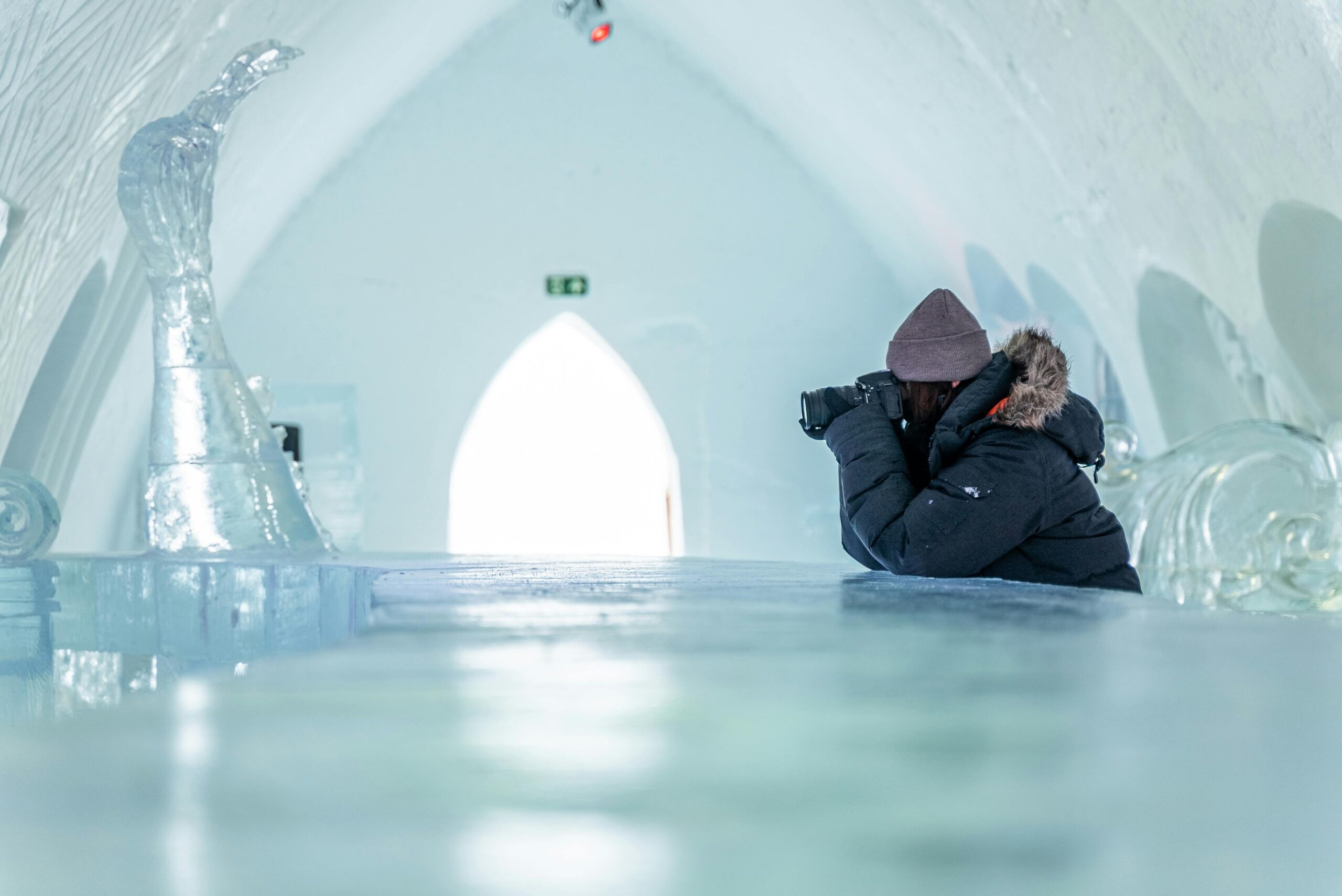
Photographers working in Arctic conditions often utilize specialized gloves with fold-back fingertips secured by magnets, allowing momentary exposure for precise camera control while maintaining overall hand warmth. Similarly, shooting mitts designed for hunters feature a split design that converts from mitten to shooting glove in seconds.
Construction Techniques That Make the Difference
The manufacturing process significantly impacts glove performance. Seamless knit construction eliminates pressure points and potential failure zones while improving comfort during extended wear. However, high-performance Arctic gloves typically use cut-and-sewn construction with specific seam techniques that prevent heat loss through stitch holes.
Taped or welded seams create waterproof barriers essential for wet snow conditions or marine environments. Internal seam placement keeps stitching away from abrasion zones, extending glove lifespan. Reinforced stress points at thumbs, between fingers, and across palms prevent premature failure in high-wear areas.
The Critical Role of Wrist Closures
Even the most advanced glove fails if cold air infiltrates through the wrist opening. Professional Arctic gloves incorporate extended gauntlets that overlap jacket sleeves, secured with adjustable straps or drawcords. Some designs include elastic inner cuffs that seal against the wrist while outer gauntlets provide additional protection and secure over jacket sleeves.
Zipper closures, while adding weight and potential failure points, facilitate easy donning and doffing—particularly important when wearing thick insulation layers. The zipper must include an internal draft flap to prevent heat loss through the closure mechanism itself.
❄️ Testing and Certification Standards
Reputable Arctic glove manufacturers subject their products to rigorous testing protocols that simulate extreme conditions. Cold chamber testing evaluates insulation performance across temperature ranges, while mechanical testing assesses durability through repeated flexing cycles. Water resistance testing ensures membranes and seam sealing maintain integrity under pressure.
EN 511 certification provides standardized ratings for protective gloves against cold, measuring convective cold (0-4 scale), contact cold (0-4 scale), and water penetration (0-1 scale). Gloves intended for professional Arctic use should achieve ratings of at least 3-3-1, indicating substantial protection across all categories.
Field testing by professional expeditions provides real-world validation that laboratory testing cannot replicate. Many manufacturers collaborate with polar explorers, providing prototype gloves for extended Arctic expeditions in exchange for detailed performance feedback. This iterative development process identifies failure modes and comfort issues that only emerge during prolonged use in genuinely extreme conditions.
Maintenance and Care for Longevity
Proper maintenance extends glove lifespan and maintains performance characteristics. After each use, gloves should be dried thoroughly at room temperature—never near direct heat sources that can damage waterproof membranes or melt synthetic insulations. Turning gloves inside-out accelerates drying and prevents odor buildup.
Periodic washing according to manufacturer specifications removes salt, body oils, and dirt that compromise both insulation and membrane breathability. Down-filled gloves require specialized cleaning to prevent clumping, while synthetic insulations tolerate standard machine washing. Reproofing treatments restore the durable water repellent (DWR) coating on shell materials, essential for maintaining water resistance.
Storage Considerations for Off-Season Protection
During off-season storage, gloves should be kept in a cool, dry environment away from direct sunlight. Stuffing gloves into compressed spaces damages insulation loft, reducing thermal performance. Instead, store gloves loosely or hanging to maintain their shape and insulation structure. Cedar blocks or silica gel packets in storage areas prevent moisture accumulation and discourage pests.
Emerging Technologies Shaping the Future 🔬
Battery-heated glove systems have evolved from bulky, short-duration novelties to viable options for specific applications. Modern lithium-polymer batteries provide 6-8 hours of heat on low settings while adding minimal weight. Heating elements strategically placed across the back of the hand and fingertips provide warmth where it matters most without interfering with palm sensitivity.
Phase-change materials represent another frontier in thermal regulation. These substances absorb or release heat as they transition between solid and liquid states, creating a buffer against temperature fluctuations. Incorporated into glove linings, they help maintain consistent hand temperature during variable activity levels.
Smart textiles with embedded sensors may soon provide real-time monitoring of hand temperature, alerting users to developing cold injury before symptoms become apparent. Integrated heating elements could automatically adjust output based on ambient temperature and activity level, optimizing warmth without user intervention.
The Human Factor: Proper Fit and Usage Techniques
Even the most technologically advanced gloves fail if improperly fitted or used. Gloves should fit snugly without constriction—tight gloves restrict blood flow, paradoxically increasing cold injury risk. Fingertips should reach the glove ends without excessive material bunching, while wrist closures should seal comfortably without binding.
Trying gloves while wearing the clothing layers typically used in cold environments ensures adequate room for the inevitable bulk of base layers and insulation jackets. Performing typical tasks while wearing candidate gloves—gripping trekking poles, operating zippers, manipulating carabiners—reveals functional limitations that aren’t apparent during static fitting.
Training for Arctic Hand Protection
Professional organizations operating in extreme cold provide comprehensive training on recognizing early signs of cold injury. Numbness, tingling, or loss of coordination indicate inadequate protection or excessive exposure duration. Understanding when to add layers, seek shelter, or employ active warming techniques prevents progression to serious frostbite.
Active warming techniques include placing cold hands against warm skin (under arms or against the torso), generating heat through muscle contractions (making fists repeatedly), or using chemical heat packs. However, prevention through proper equipment and exposure management remains infinitely preferable to treating cold injuries in the field.
Balancing Cost with Performance Requirements 💰
Arctic-grade gloves represent significant investments, with professional systems costing $200-500 or more. This expense reflects advanced materials, specialized construction, and extensive testing. For recreational users with occasional cold exposure, mid-tier options ($80-150) often provide adequate protection using previous-generation technologies.
Cost-benefit analysis should consider usage frequency, temperature extremes, and consequence of equipment failure. Professional guides, researchers, and military personnel operating in life-threatening conditions justify premium equipment investment. Weekend skiers at resort destinations can safely opt for more economical solutions.
Purchasing quality gloves from reputable manufacturers with warranty programs protects the investment. Many premium brands offer repair services, replacing worn components to extend glove life beyond what’s possible with disposable consumer products.
Beyond the Fingers: Integrated Cold Weather Systems
Hand protection doesn’t exist in isolation—it functions as part of a comprehensive cold-weather clothing system. Glove selection must coordinate with jacket sleeve design, layering strategy, and activity type. Mountaineering jackets with glove-compatible sleeve cuffs facilitate proper overlap, while expedition parkas with internal wrist gaskets create additional sealing.
Leash systems attached to gloves prevent loss during removal—a potentially catastrophic event in extreme environments where dropped gloves may be irretrievable. Idiot cords, wrist leashes, or jacket-integrated attachment points keep gloves secure while allowing removal for tasks requiring bare-hand dexterity.
Understanding the interaction between all clothing layers optimizes the entire system’s performance. Sweat accumulated in base layers migrates through insulation and eventually reaches glove interiors, where it condenses and freezes. Managing moisture through appropriate base layer selection, ventilation strategies, and activity pacing protects hand warmth as effectively as glove technology itself.
The quest for perfect Arctic gloves continues driving innovation across materials science, manufacturing techniques, and design philosophy. As climate change pushes human activity into previously inaccessible polar regions, demand for equipment that enables both safety and performance in extreme cold will only intensify. Whether supporting scientific research, enabling adventure tourism, or facilitating industrial operations, gloves that successfully balance precision with protection in sub-zero conditions remain essential tools for expanding humanity’s operational envelope in Earth’s most challenging environments.