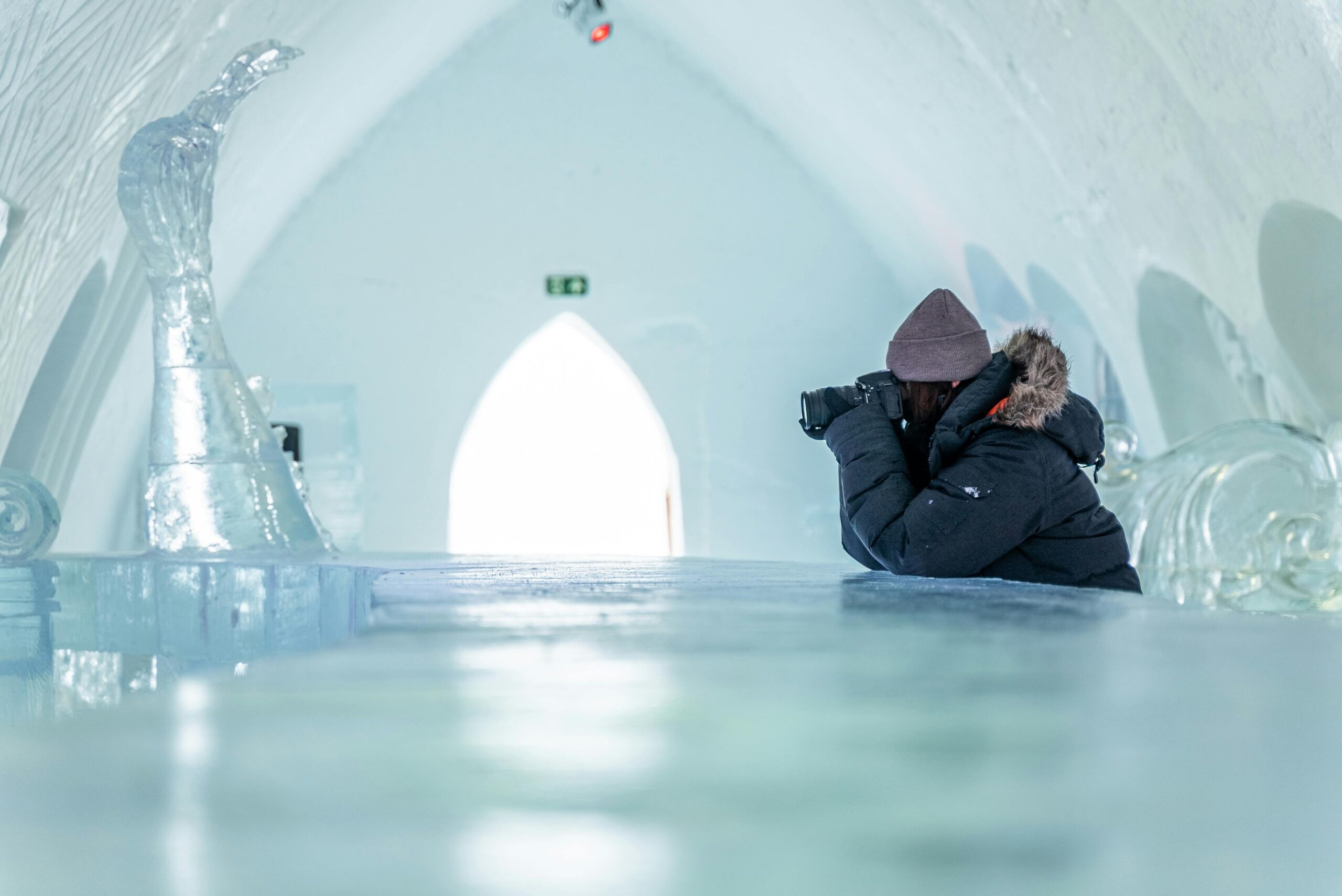
Cold environments challenge both body and mind, affecting our ability to think clearly and stay alert. Understanding these effects is crucial for safety and performance.

🧠 The Cold Reality: Why Your Brain Slows Down in Winter
When temperatures drop, our bodies initiate a complex series of physiological responses designed to preserve core temperature and protect vital organs. However, these survival mechanisms come with cognitive costs that many people underestimate. The human brain, despite representing only 2% of body weight, consumes approximately 20% of the body’s total energy. In cold conditions, this delicate balance becomes disrupted as blood flow redirects away from extremities and even from certain brain regions to maintain core warmth.
Research has consistently demonstrated that exposure to cold temperatures can impair cognitive functions including attention span, reaction time, decision-making abilities, and memory recall. These effects become particularly pronounced when core body temperature drops below 36°C (96.8°F), though performance decrements can begin appearing even before reaching hypothermic levels. For professionals working in cold environments—from construction workers to emergency responders, from ski patrol to military personnel—understanding these cognitive impacts isn’t merely academic; it’s a matter of safety and survival.
❄️ The Physiology Behind Cold-Induced Mental Fatigue
The relationship between cold exposure and mental performance involves multiple interconnected physiological systems. When your body detects dropping temperatures, the hypothalamus triggers vasoconstriction—the narrowing of blood vessels in peripheral areas. This redirection of blood flow serves to minimize heat loss but simultaneously reduces oxygen and glucose delivery to brain regions responsible for higher-order thinking.
Additionally, shivering thermogenesis, while effective at generating heat, diverts metabolic resources away from cognitive processes. The muscular contractions required for shivering can increase metabolic rate by up to 500%, creating an enormous energy demand that competes with the brain’s nutritional requirements. This metabolic competition creates what researchers call “cognitive resource depletion,” where mental tasks become measurably more difficult.
Neurotransmitter Changes in Cold Conditions
Cold exposure also influences neurotransmitter production and function. Dopamine synthesis, critical for motivation and reward processing, becomes less efficient in cold conditions. Similarly, norepinephrine levels fluctuate in ways that can affect alertness and attention. Studies using neuroimaging techniques have revealed that prolonged cold exposure can temporarily alter activity patterns in the prefrontal cortex—the brain region responsible for executive functions like planning, problem-solving, and impulse control.
⏰ Recognizing the Warning Signs of Cold-Related Cognitive Impairment
One of the most dangerous aspects of cold-induced cognitive decline is that affected individuals often fail to recognize their own impairment—a phenomenon similar to altitude sickness or extreme fatigue. This lack of self-awareness can lead to poor decision-making precisely when good judgment is most critical.
Early warning signs of cognitive impairment from cold exposure include:
- Difficulty concentrating on routine tasks that normally feel automatic
- Increased irritability or mood changes without apparent cause
- Slowed speech or difficulty finding the right words
- Reduced coordination and increased clumsiness
- Memory lapses, especially regarding recent events or instructions
- Decreased motivation to complete necessary tasks
- Poor judgment regarding appropriate clothing or shelter decisions
- Apathy or decreased concern about deteriorating conditions
Training individuals to recognize these symptoms in themselves and others represents a critical component of safety protocols for anyone working or recreating in cold environments. Buddy systems and regular check-ins become essential safeguards when cognitive self-monitoring cannot be trusted.
🔬 The Science of Fatigue Amplification in Cold Weather
Fatigue and cold exposure create a dangerous synergistic relationship where each factor amplifies the negative effects of the other. Sleep deprivation alone impairs cognitive function, reducing reaction times and decision-making quality. When combined with cold stress, these impairments multiply rather than simply adding together.
Research conducted with military personnel, mountaineers, and polar researchers has revealed that cold environments disrupt normal sleep architecture. Even when adequate sleep duration is achieved, the quality deteriorates. REM sleep, crucial for memory consolidation and emotional regulation, becomes fragmented. Deep sleep stages, essential for physical recovery, shorten or occur less frequently. The result is that individuals wake feeling less refreshed despite spending adequate time in bed.
The Circadian Disruption Factor
Cold climates often coincide with altered light-dark cycles, particularly at higher latitudes where winter brings extended darkness or summer brings continuous daylight. These conditions disrupt circadian rhythms—the internal biological clocks that regulate sleep-wake cycles, hormone production, and cognitive performance patterns. When circadian rhythms fall out of sync with environmental conditions, cognitive performance suffers across multiple domains including vigilance, memory, and complex problem-solving.
🛡️ Evidence-Based Strategies for Maintaining Cognitive Performance
Fortunately, research has identified numerous effective countermeasures for protecting cognitive function in cold environments. These strategies range from basic physiological maintenance to advanced cognitive techniques, all designed to help individuals stay sharp when temperatures drop.
Thermal Management as Cognitive Protection
The most fundamental strategy involves maintaining core body temperature through appropriate clothing systems. Modern layering approaches using moisture-wicking base layers, insulating mid-layers, and weatherproof outer shells allow for dynamic temperature regulation. The key principle is preventing both excessive cooling and overheating with subsequent sweat accumulation, as moisture dramatically increases heat loss.
Particular attention should be paid to extremities and the head. Despite the myth that most body heat escapes through the head, protecting this area remains important because cold exposure to the face and head can trigger powerful vasoconstriction responses that affect cerebral blood flow. Quality headwear, face protection, and insulated gloves or mittens should be considered non-negotiable equipment rather than optional comfort items.
Nutritional Strategies for Cold Weather Cognition
Energy demands increase substantially in cold environments, with some estimates suggesting caloric requirements may double compared to temperate conditions. However, the quality of nutrition matters as much as quantity. Complex carbohydrates provide sustained energy release, while simple sugars offer quick boosts that can be strategically timed around high-demand cognitive tasks.
Protein intake supports sustained thermogenesis and helps maintain muscle mass during the increased metabolic demands of cold exposure. Healthy fats provide dense caloric content and support the production of hormones involved in stress response and cognitive function. Hydration deserves special emphasis, as cold conditions suppress thirst sensations while respiratory water loss actually increases in cold, dry air. Dehydration compounds cognitive impairment, making regular fluid intake critical even when you don’t feel thirsty.
💤 Sleep Optimization in Cold Environments
Protecting sleep quality represents one of the most effective strategies for maintaining cognitive performance during cold weather operations or winter living. The bedroom temperature itself plays a crucial role, with research suggesting optimal sleep occurs in cooler rooms around 15-19°C (60-67°F). However, this applies to sleeping with adequate bedding in a controlled indoor environment, not to camping or emergency situations.
For those sleeping in cold conditions, a proper sleeping bag rated for expected temperatures, insulated sleeping pad to prevent ground heat loss, and vapor barrier systems to manage moisture become essential. Pre-warming the sleeping bag before entry, consuming warm calories before sleep, and managing hydration to minimize nighttime bathroom trips all contribute to better sleep quality and subsequent cognitive performance.
Strategic Napping for Performance Recovery
When nighttime sleep quality suffers due to cold exposure, strategic napping can help maintain cognitive function. Research on shift workers and military personnel suggests that short naps of 20-30 minutes can restore alertness without entering deep sleep stages that might cause grogginess upon waking. Longer naps of 90-120 minutes allow completion of full sleep cycles and can provide more substantial cognitive restoration when time permits.
🧘 Cognitive Techniques and Mental Conditioning
Beyond physical countermeasures, psychological and cognitive strategies can help maintain mental sharpness in cold conditions. Mental rehearsal and visualization techniques allow individuals to practice critical procedures and decision trees before cognitive impairment occurs. This pre-programming of responses can enable appropriate actions even when executive function becomes compromised.
Stress inoculation training—controlled exposure to cold conditions combined with cognitive tasks—can improve both psychological resilience and actual performance under stress. This approach allows individuals to become familiar with how their cognition changes in the cold and develop personalized compensatory strategies.
Mindfulness techniques and focused attention training may offer protection against cold-induced cognitive decline. Studies suggest that individuals with meditation experience show enhanced ability to maintain attention and regulate emotional responses under various stressors, including cold exposure.
📱 Technology-Assisted Cognitive Monitoring
Modern technology offers new tools for monitoring and supporting cognitive performance in cold environments. Wearable devices can track physiological markers including heart rate variability, skin temperature, and movement patterns that correlate with cognitive state and fatigue levels. Some advanced systems can alert users when physiological indicators suggest declining cognitive performance, providing an external safeguard when internal awareness falters.
Cognitive assessment applications allow workers to establish baseline performance metrics and conduct brief field assessments to identify concerning performance decrements. These objective measures can override the false confidence that sometimes accompanies cold-induced cognitive impairment.
👥 Organizational and Team-Based Approaches
For organizations whose personnel regularly work in cold environments, systematic approaches to managing fatigue and cognitive performance should be implemented at the policy level. Work-rest cycles should account for the increased metabolic and cognitive demands of cold exposure, with more frequent breaks and shorter exposure periods than would be necessary in temperate conditions.
Team composition and communication protocols become critical safety factors. Buddy systems ensure that individuals monitor each other for signs of cognitive impairment. Clear communication standards, including structured check-ins and standardized reporting procedures, help identify problems before they become critical. Decision-making authority should be distributed so that no single person whose judgment may be impaired holds sole responsibility for critical choices.
Training Programs That Make a Difference
Effective training programs go beyond simply informing personnel about cold weather risks. They should include realistic simulations where participants experience cognitive demands while under cold stress, allowing them to recognize their personal warning signs and practice compensatory strategies. After-action reviews following cold weather operations help teams identify what worked, what didn’t, and how procedures might be improved.
🌡️ Special Populations and Vulnerability Factors
Not everyone responds identically to cold exposure. Age, fitness level, body composition, prior cold exposure experience, and various medical conditions all influence individual vulnerability to cold-induced cognitive impairment. Older adults typically show greater cognitive sensitivity to cold, while higher fitness levels generally provide some protective effect.
Certain medications can increase cold sensitivity or impair thermoregulation, including some blood pressure medications, antidepressants, and sedatives. Medical conditions affecting circulation, metabolism, or nervous system function may dramatically increase vulnerability. Organizations should consider these individual differences when assessing personnel fitness for cold weather operations.
🚀 Emerging Research and Future Directions
The science of cold weather cognition continues to evolve. Researchers are investigating pharmacological interventions that might protect cognitive function without impairing judgment in other ways. Nutritional supplements including specific amino acids, adaptogens, and compounds that support mitochondrial function show promise in early studies.
Advanced clothing systems incorporating phase-change materials and active heating elements may soon provide better thermal management with less bulk and greater flexibility. Improved understanding of genetic factors influencing cold tolerance may eventually allow personalized prediction of individual vulnerability and optimization of countermeasures.

🎯 Staying Sharp When It Matters Most
The challenges that cold environments pose to cognitive performance are real and measurable, but they are not insurmountable. By understanding the physiological mechanisms underlying cold-induced mental fatigue, recognizing warning signs of impairment, and implementing evidence-based countermeasures, individuals and organizations can maintain high-level cognitive performance even in harsh winter conditions.
Success requires a comprehensive approach addressing thermal management, nutrition, hydration, sleep quality, physical fitness, psychological preparation, and organizational systems. No single intervention provides complete protection, but the combination of multiple strategies creates resilient performance capability. Whether you’re a professional whose work demands cold weather exposure, an outdoor enthusiast pursuing winter activities, or simply someone trying to maintain productivity during long winter months, applying these principles can help you stay mentally sharp when temperatures drop.
The key insight is that cognitive performance in cold conditions shouldn’t be left to chance or individual toughness. It requires the same systematic, evidence-based approach we apply to other performance domains. By respecting the real impacts of cold on human cognition and implementing appropriate countermeasures, we can work, play, and thrive even when winter delivers its coldest challenges.