
When disaster strikes or survival situations arise, the strength of your shelter can mean the difference between life and death. Understanding load capacities of different shelter designs is crucial for making informed decisions.

🏗️ The Science Behind Shelter Structural Integrity
Shelter design isn’t just about keeping rain off your head—it’s about creating a structure that can withstand significant external forces. Load capacity refers to the maximum weight or pressure a structure can support before failing, and this includes everything from snow accumulation to wind pressure and even debris impact.
Engineers measure load capacity in pounds per square foot (psf) or kilograms per square meter. For survival shelters, we’re primarily concerned with three types of loads: dead loads (the structure’s own weight), live loads (temporary forces like snow or people), and environmental loads (wind, seismic activity, and impact forces).
The geometry of a shelter dramatically affects its load-bearing capabilities. Curved surfaces distribute stress differently than angular ones, and the materials used interact with these geometric principles to create structures with vastly different performance characteristics.
Dome Shelters: Nature’s Perfect Engineering Solution 🔵
Dome structures have fascinated architects and engineers for millennia, from ancient Roman architecture to modern geodesic designs. The dome’s inherent strength comes from its ability to distribute loads evenly across its entire surface, eliminating weak points that plague other designs.
Load Distribution in Dome Architecture
When force is applied to a dome’s surface, the curved geometry converts vertical loads into compressive forces that travel along the dome’s surface to its foundation. This means that instead of bearing weight at specific points, the entire structure shares the burden equally.
A properly constructed dome can support loads exceeding 10,000 pounds per square foot at its base. Snow loads that would collapse conventional structures simply slide off the curved surface or compress evenly across the dome’s entirety. This makes domes particularly effective in regions with heavy snowfall.
Wind forces, which can devastate rectangular structures, flow smoothly over dome surfaces with minimal resistance. Studies show that dome structures can withstand hurricane-force winds exceeding 200 mph when properly anchored, making them ideal for coastal or tornado-prone regions.
Material Considerations for Maximum Dome Strength
The choice of materials significantly impacts dome load capacity. Reinforced concrete domes can support massive loads, while geodesic domes using triangulated frameworks distribute stress through tension and compression in their struts. Even fabric-covered dome frames, when properly designed, can withstand surprising force levels.
Steel-reinforced domes offer exceptional strength-to-weight ratios. A properly engineered steel geodesic dome weighing just a few tons can protect against loads that would require conventional structures weighing ten times as much. This efficiency makes domes particularly valuable when construction resources are limited.
Tunnel Shelters: Underground Protection Powerhouses 🚇
Tunnel shelters, whether fully underground or partially buried, harness the earth itself as structural support. This design philosophy creates some of the most robust protective structures available, capable of withstanding forces that would obliterate surface structures.
The Mechanics of Tunnel Load Bearing
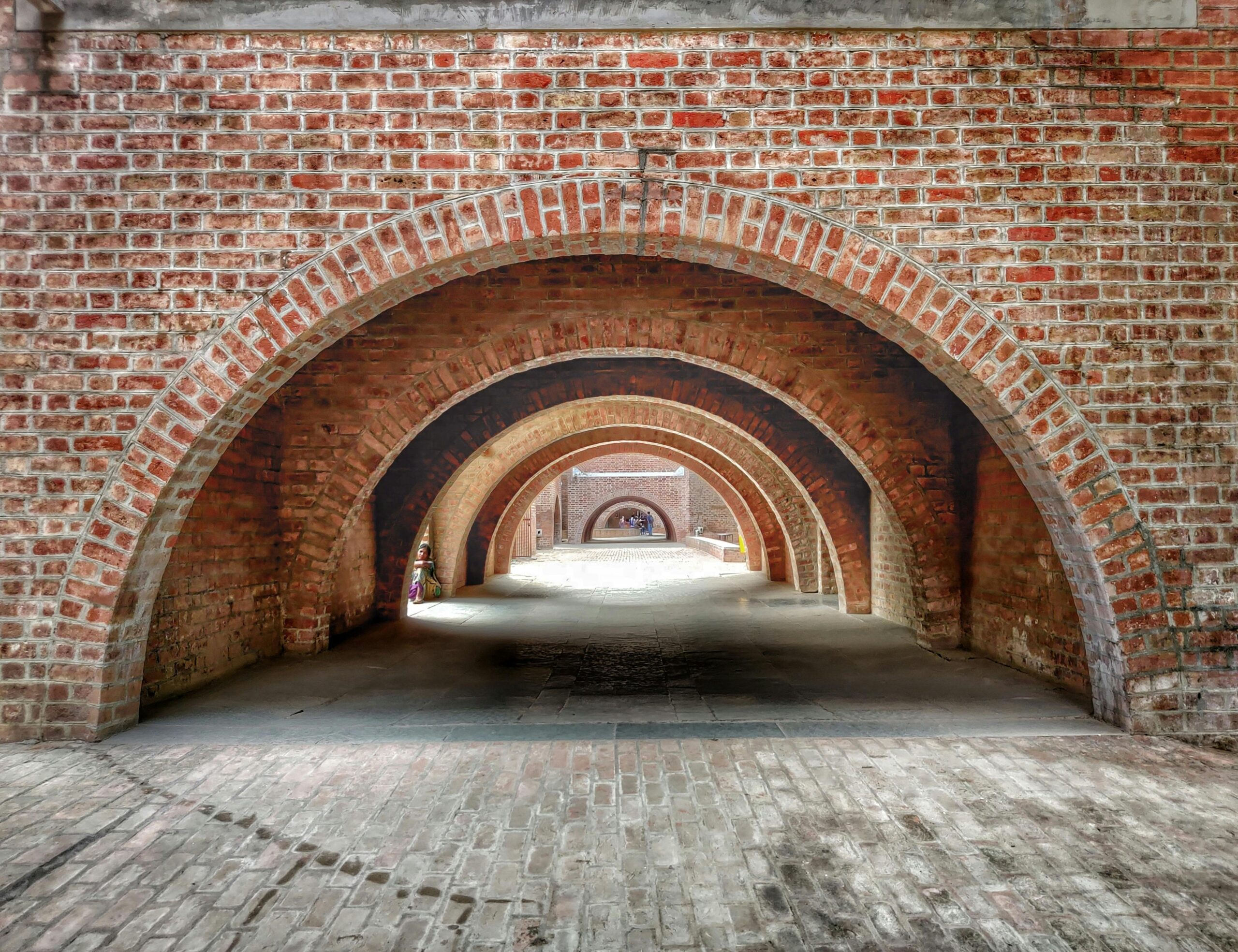
Unlike surface structures that must resist loads through their own material strength, tunnel shelters use arch principles combined with earth backing to achieve extraordinary load capacities. The curved ceiling of a tunnel shelter functions similarly to a dome, but with the added benefit of soil surcharge providing additional compressive strength.
A properly constructed corrugated metal tunnel shelter buried under three feet of earth can withstand surface loads exceeding 40,000 pounds per square foot. This means heavy vehicles, falling debris, or even moderate explosive forces can pass over the shelter without compromising its integrity.
The earth cover acts as both structural support and protective barrier. Soil absorbs and dissipates impact energy, reducing the force that reaches the shelter structure itself. This makes tunnel shelters particularly effective against blast waves, projectile impacts, and thermal effects from fires or explosions.
Depth and Load Capacity Relationships
The relationship between burial depth and load capacity isn’t linear—it’s exponential. A tunnel shelter buried two feet deep might withstand 15,000 psf, while the same structure buried four feet deep could handle 50,000 psf or more. This occurs because deeper burial engages more soil mass in the load distribution process.
However, deeper isn’t always better. Beyond certain depths, hydrostatic pressure from groundwater and lateral earth pressure can exceed the shelter’s ability to resist inward collapse. Engineers must balance surface load protection against subsurface pressure when determining optimal burial depth.
A-Frame Structures: Simplicity Meets Surprising Strength 📐
The A-frame design represents one of humanity’s oldest architectural solutions, yet its elegant simplicity conceals impressive structural capabilities. By essentially creating two sloped walls that meet at a ridge, the A-frame eliminates the need for separate roof and wall structures.
Load Pathways in A-Frame Construction
In an A-frame shelter, loads applied to the sloped surfaces travel downward along the frame members directly to the foundation. This direct load path minimizes the number of structural transfers, reducing potential failure points and creating a remarkably efficient structure.
A well-built wooden A-frame can support snow loads exceeding 60 pounds per square foot on its sloped surfaces. The steep pitch (typically 45-60 degrees) means most snow naturally slides off before accumulating to dangerous levels, providing passive load management that doesn’t rely on mechanical systems or human intervention.
Angle Optimization for Maximum Performance
The angle of an A-frame’s sides critically affects its load capacity. Steeper angles (closer to vertical) shed snow more effectively but create longer unsupported spans that may require internal bracing. Shallower angles reduce span distances but allow greater snow accumulation.
Engineering analysis reveals that A-frames with 60-degree wall angles achieve optimal balance between material efficiency and load capacity. At this angle, vertical loads are converted into compressive forces along the frame members with minimal bending moments, maximizing structural efficiency.
⚖️ Comparative Load Analysis: Which Shelter Wins?
When directly comparing these three shelter types under standardized conditions, each demonstrates distinct advantages depending on the specific threat scenario and environmental conditions.
Snow Load Capacity Comparison
For pure snow load resistance, underground tunnel shelters theoretically win with virtually unlimited capacity—snow on the surface simply becomes part of the protective earth cover. However, among surface structures, domes slightly edge out A-frames due to their continuous curved surface that sheds snow in all directions.
A-frames perform admirably in moderate snow conditions but can accumulate dangerous loads in valleys between multiple adjacent structures or when debris prevents natural shedding. Domes avoid these complications through their omnidirectional geometry.
Wind Force Resistance Rankings
Wind resistance clearly favors dome structures. Their aerodynamic profile generates minimal lift forces and reduces lateral pressure through smooth airflow patterns. Properly anchored domes can withstand extreme winds that would generate dangerous uplift or lateral forces on both tunnel entrances and A-frame structures.
Tunnel shelters with properly designed entrances perform well in high winds, though entrance structures remain vulnerable points. A-frames, despite their sturdy construction, present large flat surfaces to wind forces, requiring robust connections and potentially external bracing in extreme wind environments.
Impact and Blast Protection
For protection against projectile impacts, falling debris, or blast effects, buried tunnel shelters provide unmatched protection. The earth overburden absorbs and dissipates energy that would devastate surface structures. A tunnel shelter under adequate cover can protect occupants from threats that would completely destroy surface alternatives.
Among surface shelters, domes offer superior blast resistance due to their shape deflecting overpressure waves rather than presenting flat surfaces that absorb maximum force. A-frames, while strong against vertical loads, present vulnerable surfaces to lateral blast forces.
🛠️ Construction Complexity and Resource Requirements
Load capacity means nothing if you can’t actually build the shelter. Each design presents different construction challenges, material requirements, and skill level demands that affect practical implementation.
Material Efficiency Analysis
A-frames win the material efficiency competition for surface structures. Their simple geometry requires minimal materials—essentially just angled beams, covering material, and end walls. A competent builder can construct a basic A-frame shelter with hand tools and readily available materials.
Domes require more complex construction, particularly geodesic designs that demand precise angle cuts and multiple connection points. However, the material strength-to-coverage ratio remains excellent once construction is complete. Inflatable dome frameworks simplify construction significantly but require specialized equipment.
Tunnel shelters demand excavation equipment and proper drainage systems, making them resource-intensive initially. However, the corrugated metal culverts commonly used for tunnel construction are standardized, affordable, and require minimal modification for shelter applications.
Time Investment Considerations
Construction speed varies dramatically. An experienced builder can frame a basic A-frame shelter in hours. Dome construction typically requires days to weeks depending on size and complexity. Tunnel shelter installation might take weeks when including excavation, placement, burial, and ventilation system installation.
These timeframes assume normal conditions with appropriate tools and materials. Emergency construction under survival conditions changes these calculations significantly, generally favoring simpler designs that don’t require specialized equipment or precise measurements.
📊 Real-World Performance Data
Theoretical engineering calculations matter, but real-world testing provides the ultimate proof of shelter effectiveness. Multiple studies and disaster responses have documented actual performance of these shelter types under extreme conditions.
Hurricane and Tornado Performance
Following Hurricane Michael in 2018, dome structures in heavily damaged areas remained largely intact while conventional buildings nearby were destroyed. One notable concrete dome home survived with minimal damage despite experiencing sustained winds exceeding 155 mph and being directly in the storm’s path.
Tornado damage assessments consistently show that properly constructed underground shelters provide near-perfect protection. The 2013 Moore, Oklahoma tornado, rated EF5 with winds exceeding 200 mph, completely destroyed surface structures while underground shelters protected their occupants without injury.
Snow Load Failure Case Studies
The winter of 2010-2011 brought record snowfall to much of the northeastern United States. Numerous flat-roof structures collapsed under snow loads, while A-frame and dome structures in the same areas generally shed snow naturally. The few A-frame failures documented occurred in structures with inadequate ridge beam sizing or compromised foundation connections.
🎯 Choosing Your Optimal Shelter Configuration
The “best” shelter design depends entirely on your specific situation, threats, resources, and constraints. No single design dominates across all scenarios, making informed selection crucial for effective protection.
Climate-Driven Recommendations
Heavy snow regions favor steep A-frames or domes that shed accumulation naturally. Hurricane zones benefit most from low-profile domes or underground tunnels that minimize wind exposure. Seismically active areas may prefer flexible A-frame construction or properly reinforced tunnel structures that move with earth displacement rather than resisting rigidly.
Temperature extremes also matter. Underground tunnel shelters maintain remarkably stable temperatures year-round, reducing heating and cooling needs. Surface structures require additional insulation, with domes offering excellent thermal efficiency due to minimal surface area relative to enclosed volume.
Threat-Specific Optimization
If your primary concern is ballistic protection or blast resistance, tunnel shelters provide unmatched capabilities. For nuclear fallout protection, underground options with proper filtration systems offer superior radiation shielding through earth cover mass.
Natural disaster preparation favors different approaches. Wildfire protection benefits from underground construction or non-combustible dome structures with proper clearance. Flood-prone areas obviously require elevated or watertight designs, potentially eliminating tunnel options unless elaborate drainage and waterproofing measures are implemented.
🔧 Hybrid Approaches and Modern Innovations
Creative designers increasingly combine elements from multiple shelter types, creating hybrid structures that capture advantages from different architectural approaches while minimizing individual weaknesses.
Earth-bermed domes combine the aerodynamic and load-distribution benefits of dome geometry with the protective mass of earth covering. These structures resist both surface forces and offer improved blast and thermal protection compared to fully exposed domes.
A-frame tunnel combinations use A-frame entrance structures leading to underground tunnel sections, providing easy access while maintaining maximum protection in the main shelter volume. This approach balances accessibility with security.
Modular geodesic designs allow incremental construction and expansion, adapting to changing needs and resources. These systems use standardized components that simplify construction while maintaining the structural advantages of dome geometry.
The Verdict: Matching Structure to Survival Needs 🏆
After analyzing load capacities, construction requirements, and real-world performance, the optimal shelter choice emerges from careful consideration of your specific circumstances rather than any universal “winner.”
For pure protective capability against the widest range of threats, properly constructed tunnel shelters deliver unmatched performance. Their ability to withstand extreme surface loads, provide natural temperature stability, and offer superior blast and radiation protection makes them the gold standard for serious preparedness.
When construction resources are limited or permanent installation isn’t feasible, A-frame designs offer the best balance of material efficiency, ease of construction, and adequate load capacity for most scenarios. Their simplicity becomes an asset when time and tools are scarce.
For permanent installations where aesthetics, energy efficiency, and extreme wind resistance matter, dome structures provide exceptional value. Their superior material efficiency and omnidirectional strength create structures that protect effectively while minimizing resource consumption.
Ultimately, the shelter that will actually protect you is the one you can build, maintain, and access when needed. Understanding these load capacity principles empowers informed decisions that could save lives when disaster strikes. Whether you choose the elegance of a dome, the simplicity of an A-frame, or the robust protection of a tunnel shelter, proper engineering and construction remain paramount for transforming theoretical capacity into practical protection.