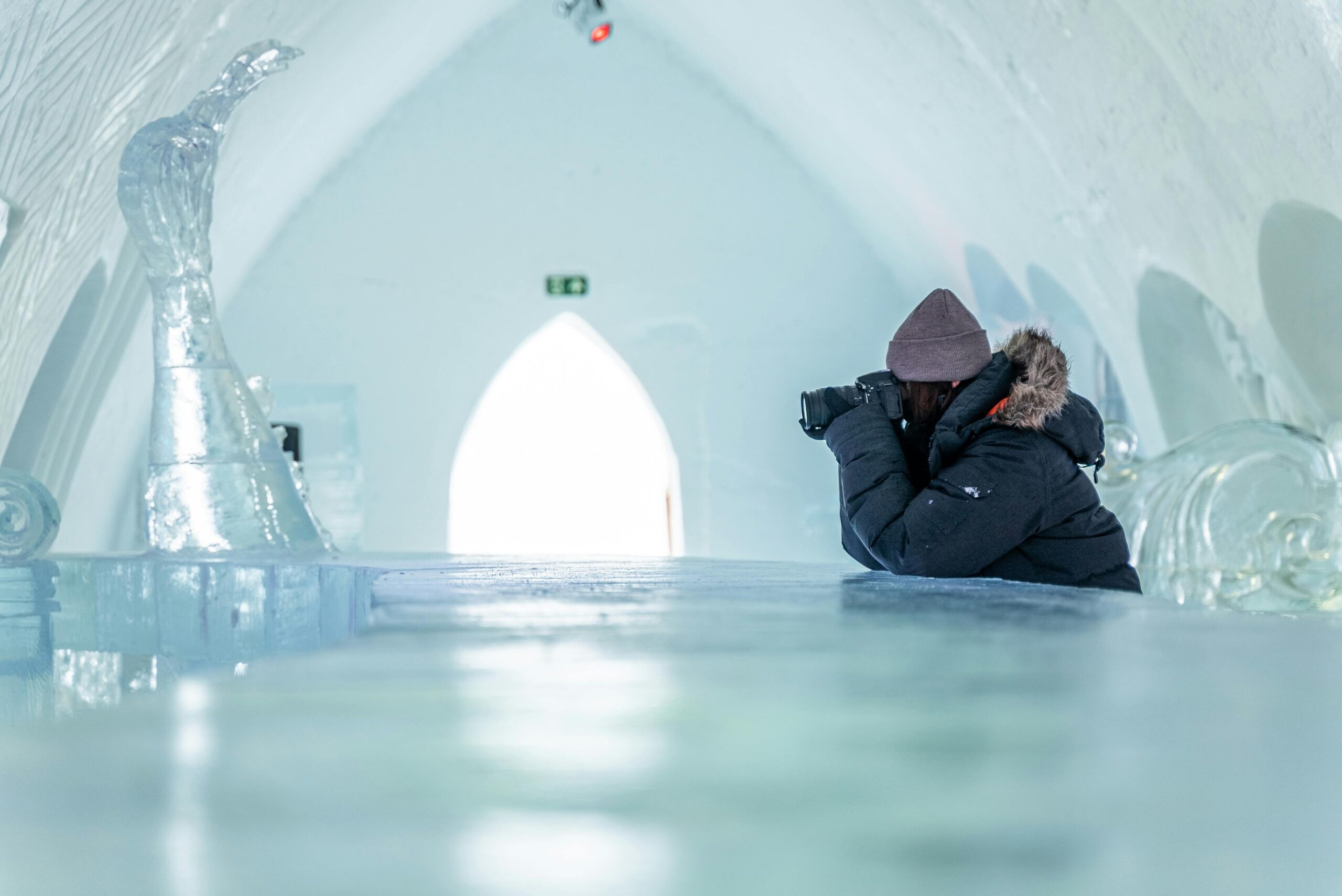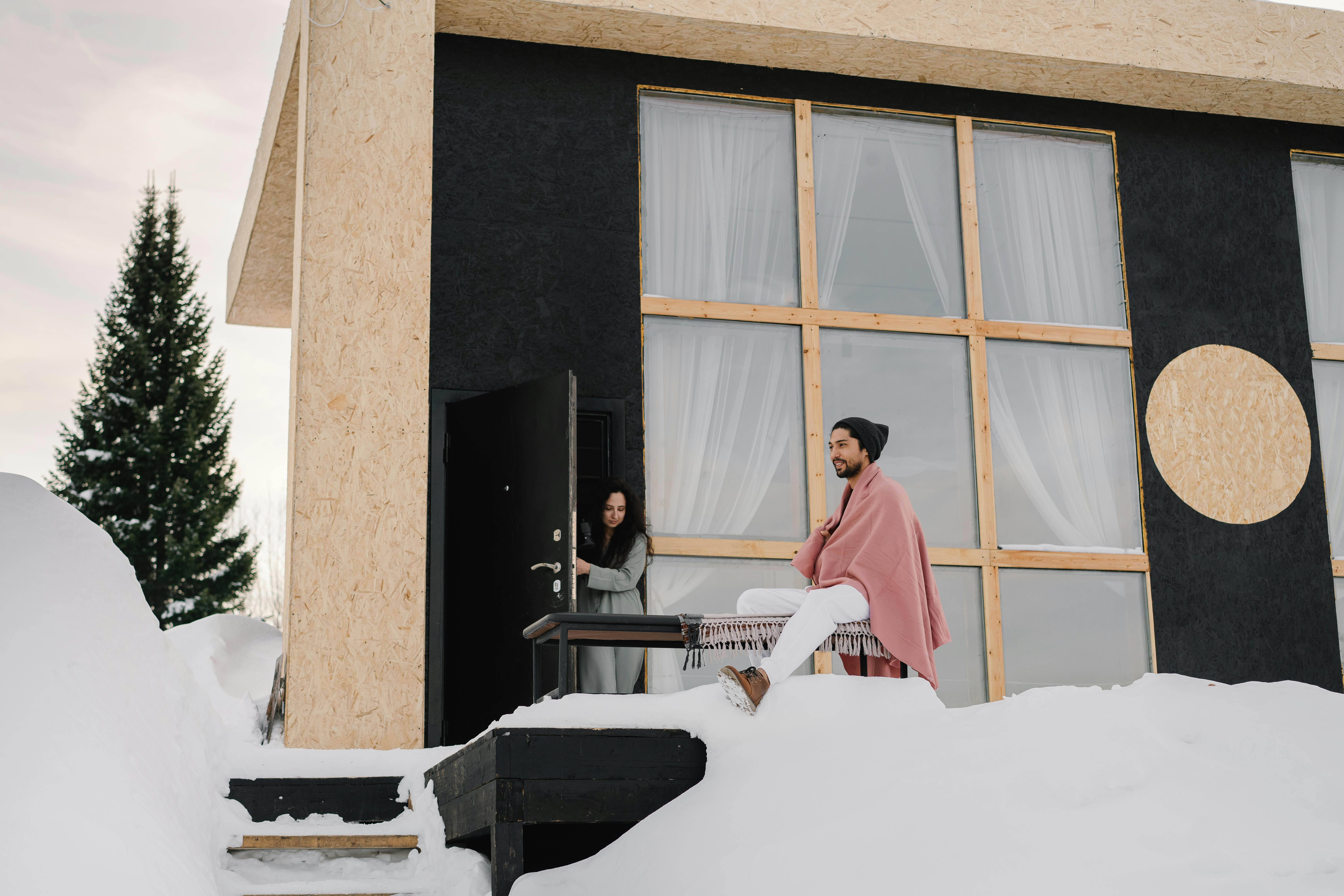
Layered clothing isn’t just about staying warm—it’s a strategic approach to comfort, performance, and adaptability in any environment or activity level.

🧥 The Science Behind Layering: Why Traditional Clothing Falls Short
For decades, people approached cold weather clothing with a simple philosophy: wear something thick and hope for the best. This outdated strategy fails to account for the dynamic nature of human activity, environmental changes, and the sophisticated relationship between body heat regulation and external conditions.
Modern layered clothing systems represent a quantum leap in ergonomic design. Rather than relying on a single garment to manage all thermal and moisture challenges, layering distributes specialized functions across multiple garments. This modular approach allows wearers to fine-tune their microclimate with surgical precision.
The human body generates heat through metabolic processes, with output varying dramatically based on activity level. During intense exercise, your body can produce ten times more heat than at rest. A single-layer approach creates an all-or-nothing scenario where you’re either too hot or too cold, with no middle ground.
Understanding Thermoregulation and Moisture Management
Your body’s primary cooling mechanism is perspiration. When moisture accumulates against your skin, it creates a wet microclimate that dramatically accelerates heat loss—up to 25 times faster than dry conditions. This phenomenon explains why getting sweaty in cold weather can be dangerous.
Effective layering systems recognize this challenge and address it through strategic moisture transport. Each layer serves a specific purpose in moving moisture away from the skin while maintaining thermal protection. This balance between insulation and breathability defines ergonomic excellence in clothing design.
⚡ The Three-Layer Foundation: Base, Mid, and Outer
The classic three-layer system has endured because it works. Each layer fulfills distinct ergonomic functions that together create optimal comfort across varying conditions and activity levels.
Base Layer: Your Second Skin
The base layer sits directly against your skin and serves as the foundation of your entire system. Its primary mission is moisture management—transporting perspiration away from your body to prevent that clammy, uncomfortable feeling that compromises both comfort and safety.
Modern base layers utilize advanced fabric technologies designed for ergonomic performance. Merino wool offers natural odor resistance and functions effectively across a wide temperature range. Synthetic materials like polyester and polypropylene excel at rapid moisture wicking and dry quickly. Some manufacturers now blend these materials to capture benefits from both categories.
Fit matters tremendously at the base layer. The garment should sit close to your skin without restricting movement or creating pressure points. Flatlock seams prevent chafing during repetitive motion. Length is also crucial—base layer tops should extend past your waistline to prevent gaps when bending or reaching.
Mid Layer: The Insulation Engine
Your mid layer provides the bulk of your insulation while continuing the moisture transport initiated by your base layer. This layer traps warm air near your body while allowing moisture vapor to escape outward.
Fleece remains a popular mid-layer choice due to its favorable warmth-to-weight ratio, breathability, and compressibility. Different fleece weights (100, 200, 300 gram) allow customization based on expected conditions. Grid fleece designs enhance breathability through channeled construction that increases air permeability.
Insulated jackets using down or synthetic fill offer maximum warmth for minimal weight. Down provides unmatched insulation efficiency but loses effectiveness when wet. Modern synthetic insulations like PrimaLoft or Climashield maintain thermal properties in damp conditions and dry faster than down.
The key ergonomic consideration for mid layers is freedom of movement. Articulated sleeves, stretch panels, and strategic cut lines ensure full range of motion during dynamic activities. The garment should fit comfortably over your base layer without excessive bulk.
Outer Layer: Environmental Protection
Your shell layer defends against wind, precipitation, and abrasion while allowing internal moisture to escape. This seemingly contradictory requirement—keep water out while letting moisture vapor escape—represents one of the great challenges in technical clothing design.
Waterproof-breathable membranes like Gore-Tex, eVent, or proprietary technologies use microscopic pores that permit water vapor molecules to pass while blocking larger liquid water droplets. These membranes require protection from oils and abrasion, so manufacturers laminate them between durable face fabrics and liner materials.
Shell design significantly impacts ergonomic performance. Adjustable hoods accommodate helmets and provide peripheral vision. Underarm vents enable rapid heat dumping during high-output activities. Articulated elbows and knees maintain mobility. Strategic pocket placement allows access while wearing a backpack or harness.
🎯 Optimizing Your System for Specific Activities
The beauty of layered systems lies in adaptability. By understanding your activity profile and environmental conditions, you can configure layers for optimal comfort and performance.
High-Output Activities: Less Is More
Activities like trail running, ski touring, or cycling generate substantial body heat. The ergonomic challenge shifts from staying warm to avoiding overheating while maintaining protection from elements.
For these scenarios, prioritize breathability over insulation. Choose lightweight, highly breathable base layers in moisture-wicking fabrics. Your mid layer might be minimal or absent—perhaps just a light fleece or windshirt. Your shell should offer maximum breathability through mechanical venting or highly permeable membranes.
Consider starting activities slightly cold. Your body will generate warmth within minutes, and beginning comfortable often leads to overheating shortly afterward. This counterintuitive approach prevents the sweat accumulation that creates problems later.
Low-Output Activities: Maximize Insulation
Stationary or low-intensity activities like belaying, ice fishing, or wildlife observation require maximum insulation since your body generates minimal heat. The ergonomic focus shifts to trapping warmth while maintaining mobility for essential movements.
Layer up with thicker base layers featuring brushed interiors for added warmth. Your mid layer becomes crucial—consider multiple mid layers or heavyweight insulated jackets. Down excels in these scenarios due to its exceptional warmth-to-weight ratio.
Don’t neglect extremities. Insulated booties, heavy gloves or mittens, and warm headwear prevent heat loss through high-surface-area body parts. These accessories function as additional layers for vulnerable areas.
Variable Activity Levels: Build Flexibility
Many activities involve periods of high and low output—hiking uphill then resting at the summit, stop-and-go urban exploration, or alpine climbing with varied terrain. These scenarios demand maximum system flexibility.
Carry additional layers in a pack rather than wearing everything. A packable down or synthetic jacket provides warmth during rest stops without bulk during movement. Convertible pants with zip-off legs adapt to changing conditions or activity levels.
Master the art of preemptive layering adjustments. Remove layers before you start sweating, add layers before you get cold. This proactive approach maintains comfort and prevents moisture accumulation that compromises insulation.
🔧 Advanced Ergonomic Considerations for Peak Performance
Fit and Mobility Engineering
Proper fit distinguishes mediocre layering systems from exceptional ones. Each layer should accommodate the layers beneath without excessive tightness while avoiding excessive fabric that bunches or catches.
Modern technical garments incorporate ergonomic design features that enhance mobility. Gusseted crotches eliminate binding during high steps. Articulated knees and elbows position fabric seams along natural bend lines. Stretch fabric panels at key stress points maintain fit while allowing movement.
Women’s-specific designs address physiological differences including shorter torsos, different shoulder-to-hip ratios, and chest accommodation. These aren’t merely cosmetic adjustments—they fundamentally impact comfort and performance by aligning garment construction with body geometry.
Material Selection and Fabric Technology
Understanding fabric characteristics empowers informed layering decisions. Natural fibers like merino wool offer comfort across temperature ranges, natural antimicrobial properties, and continued insulation when damp. However, they dry slowly and require careful washing.
Synthetic materials excel at moisture transport, dry rapidly, and typically cost less than natural alternatives. They can retain odors and may feel less comfortable against skin. Many manufacturers now treat synthetic fabrics with antimicrobial compounds to address odor concerns.
Fabric weight and thickness impact both warmth and packability. Lightweight fabrics reduce bulk but offer less insulation. Heavier fabrics provide more warmth but increase weight and reduce compressibility. Select weights appropriate to your expected conditions and activity level.
Seam Design and Construction Quality
Seams represent potential failure points and sources of discomfort. Flatlock seams lie flat against skin, preventing chafing during repetitive motion. They’re ideal for base layers and next-to-skin garments.
Taped seams seal stitching holes in waterproof garments, maintaining weather protection. However, they add weight, reduce breathability at seam lines, and eventually delaminate with age and use. Critical seams like shoulders and hood attachments require taping, while less exposed areas may use untaped seams to improve breathability.
Construction quality impacts both durability and ergonomics. Reinforced stress points prevent premature failure. Bar-tack stitching secures high-stress attachment points. Quality control in manufacturing ensures consistent sizing and feature placement.
🌡️ Environmental Adaptation: Reading Conditions and Responding
Mastering layered systems requires developing environmental awareness and understanding how conditions impact your thermal comfort equation.
Temperature: The Obvious Variable
Ambient temperature provides your baseline for layering decisions, but it’s far from the complete picture. A 40°F day with sun and no wind feels dramatically different than the same temperature with overcast skies and 20-mph winds.
Use temperature as a starting point, then adjust based on other factors. General guidelines suggest base layers alone suffice above 60°F during activity, adding mid layers between 40-60°F, and incorporating all three layers below 40°F. These ranges shift dramatically based on individual metabolism, activity level, and other environmental factors.
Wind: The Thermal Thief
Wind accelerates heat loss by continuously replacing your warm air microclimate with cold ambient air. This convective heat loss explains why 40°F with 20-mph winds feels like 28°F according to wind chill calculations.
Your outer layer becomes critical in windy conditions, even when precipitation isn’t a concern. A simple windshirt—extremely lightweight and packable—dramatically improves comfort by eliminating convective heat loss while maintaining breathability for moisture vapor escape.
Precipitation: Moisture Management Under Pressure
Rain, snow, and sleet introduce external moisture that can overwhelm even the best layering system if not properly managed. Waterproof outer layers prevent external moisture penetration, but only if properly designed and maintained.
DWR (Durable Water Repellent) treatments on shell fabrics cause water to bead and roll off rather than saturating the face fabric. As DWR wears off, the face fabric “wets out,” dramatically reducing breathability even though the waterproof membrane remains functional. Regular DWR reapplication maintains optimal performance.
In moderate precipitation with high activity levels, many experienced outdoor enthusiasts choose water-resistant rather than fully waterproof shells. These garments offer superior breathability while providing adequate protection for conditions that don’t include sustained downpours.
💪 Maintenance and Care: Preserving Ergonomic Performance
Technical garments require proper care to maintain their performance characteristics. Neglected maintenance degrades fabric technologies and shortens garment lifespan.
Washing Technical Fabrics
Modern technical fabrics tolerate washing better than many people assume, and regular cleaning actually improves performance by removing oils and dirt that impair breathability and water repellency.
Use technical wash products designed for performance fabrics. Standard detergents leave residues that reduce breathability and can damage DWR treatments. Front-loading or top-loading machines without agitators prevent unnecessary mechanical stress. Close all zippers and turn garments inside-out before washing.
Merino wool requires gentler treatment than synthetics. Use wool-specific detergents and cold water. Avoid wringing or twisting, which can damage fibers. Lay flat or hang to dry rather than using machine dryers.
Restoring Water Repellency
When your shell begins wetting out, refresh the DWR treatment rather than assuming the garment has failed. Clean the garment first—DWR works poorly on dirty fabrics. Apply spray-on or wash-in DWR treatment according to manufacturer instructions. Heat activation in a dryer or with an iron (using protective cloth) bonds the treatment to fabric fibers.
Storage and Repair
Store garments clean and dry in a cool, dark location. Avoid compression for extended periods—down and synthetic insulations lose loft when constantly compressed. Hang shells or store loosely folded.
Address damage promptly. Small tears or holes worsen quickly with use. Repair tape provides temporary waterproof repairs for shells. Professional repairs can reconstruct damaged seams or replace broken zippers, extending garment life significantly.
🎓 Building Your Personal System: A Strategic Approach
Creating an effective layering wardrobe requires strategic planning rather than impulse purchases. Consider your primary activities, typical conditions, and budget constraints.
Start with Versatile Foundations
Build your system around versatile core pieces that function across multiple scenarios. A quality midweight base layer set works for most three-season activities. A breathable hardshell handles diverse weather conditions. A packable insulated jacket provides warmth during rest stops across many activities.
Avoid hyper-specialized garments until you’ve established your versatile foundation. That expedition-grade parka designed for Himalayan climbing offers overkill for most users, while its bulk and cost make it impractical for everyday use.
Expand Strategically Based on Experience
As you develop experience with your core system, you’ll identify gaps or limitations. Perhaps you need lightweight base layers for high-output summer activities. Maybe you’d benefit from a softshell that handles light precipitation while offering more breathability than your hardshell.
These expansion purchases should address specific, identified needs rather than theoretical scenarios. Your actual usage patterns provide the best guide for system development.
Quality Over Quantity
One quality garment that fits perfectly and performs reliably beats three mediocre alternatives. Quality construction enhances durability, reducing long-term costs. Superior fabrics and design improve comfort and performance. Established brands typically offer better warranty support and customer service.
This doesn’t mean you must buy the most expensive option in every category. Many mid-tier brands offer excellent value, providing performance approaching premium brands at lower prices. Focus on fit, fabric quality, and construction rather than brand prestige.

🚀 Taking Your Layering Game to the Next Level
Mastering layered clothing systems transforms your relationship with outdoor activities and environmental challenges. Rather than viewing weather as an obstacle, you’ll see it as a variable to manage through strategic clothing choices.
The ergonomic principles underlying effective layering extend beyond outdoor recreation. Commuters, travelers, and urban dwellers benefit from thoughtful layering that adapts to varying indoor and outdoor environments throughout the day.
Start paying attention to your thermal comfort in different situations. Notice when you feel too warm or too cold. Experiment with different layer combinations and timing of adjustments. This experiential learning develops intuition that no article can fully convey.
Remember that individual variation matters enormously. Some people run hot, others run cold. Activity level, metabolism, and acclimatization all influence thermal comfort. Use general guidelines as starting points, then customize based on your personal experience.
The layering system approach represents a fundamental shift from passive acceptance of discomfort to active management of your personal microclimate. By understanding the principles of thermoregulation, moisture management, and environmental protection, you gain control over your comfort and performance in any condition.
Whether you’re tackling a mountain summit, commuting through unpredictable weather, or simply seeking optimal comfort in your daily activities, mastering layered clothing systems provides the tools to thrive rather than merely survive. The investment in quality garments and the knowledge to use them effectively pays dividends in comfort, performance, and expanded capabilities across all your pursuits.