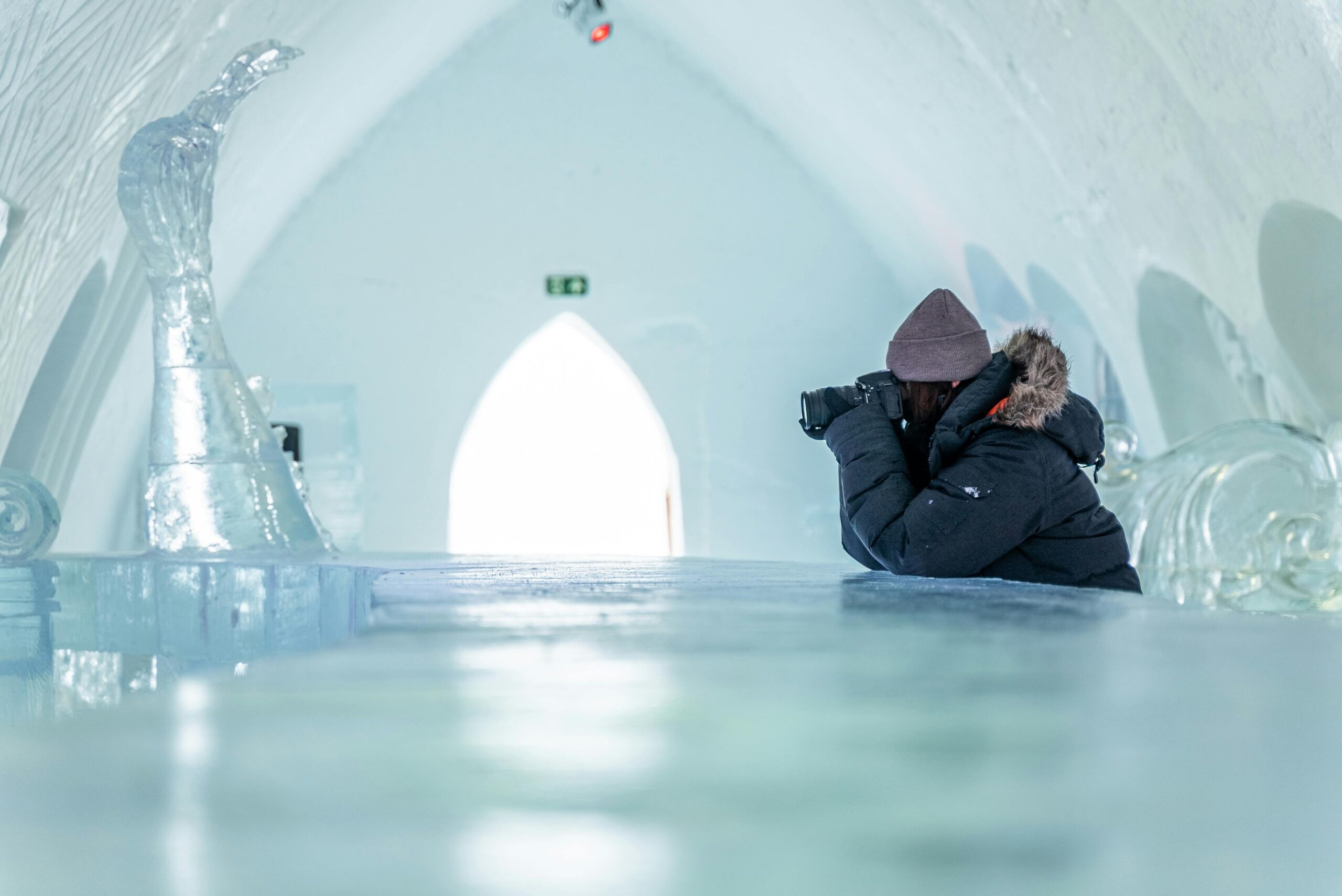
Imagine walking through heavy rain or snow without worrying about getting soaked or frozen. This is the revolutionary promise of hydrophobic and icephobic textile coatings.

🌧️ The Science Behind Water-Repelling Textiles
Hydrophobic coatings represent one of the most significant technological advances in textile engineering. These specialized treatments create a microscopic barrier that prevents water molecules from penetrating fabric fibers, causing liquid to bead up and roll off surfaces instead of soaking through.
The fundamental principle behind hydrophobic technology draws inspiration from nature itself. Scientists observed how lotus leaves remain perfectly dry in their aquatic environment, discovering that microscopic surface structures combined with waxy coatings create superhydrophobic properties. This biomimicry has led to breakthrough developments in textile treatments that replicate these natural water-repelling characteristics.
Modern hydrophobic coatings typically involve applying fluoropolymers, silicone-based compounds, or wax-based formulations to fabric surfaces. These materials lower the surface energy of textiles, increasing the contact angle between water droplets and the fabric to typically above 90 degrees, with superhydrophobic surfaces achieving angles exceeding 150 degrees.
Understanding Contact Angles and Water Behavior
The contact angle measurement determines how effectively a coating repels water. When a water droplet contacts a treated surface, the angle formed at the intersection point reveals the coating’s performance. Standard fabrics show contact angles below 90 degrees, where water spreads and penetrates. Hydrophobic treatments push this angle higher, creating rounded droplets that easily slide off with minimal tilt or movement.
This physical property translates directly into practical benefits for everyday wear and specialized applications. Garments treated with quality hydrophobic coatings keep wearers dry during unexpected weather changes, reduce the weight burden of water-saturated clothing, and maintain thermal insulation properties that would otherwise be compromised by moisture absorption.
❄️ Icephobic Coatings: Beyond Water Resistance
While hydrophobic coatings excel at repelling liquid water, icephobic technologies address an equally challenging problem: ice formation and adhesion. When temperatures drop below freezing, moisture on fabric surfaces can crystallize, creating rigid, uncomfortable, and potentially dangerous conditions.
Icephobic coatings prevent ice crystals from forming strong bonds with textile fibers. These advanced treatments reduce ice adhesion strength by up to 95% compared to untreated materials, allowing ice to detach easily through minimal mechanical force or natural movement. The technology proves invaluable for outdoor enthusiasts, winter sports participants, and workers in cold-climate industries.
The mechanism behind icephobic performance involves creating ultra-smooth surfaces at the microscopic level, minimizing anchor points where ice crystals can establish strong connections. Some formulations also incorporate materials that remain flexible at sub-zero temperatures, preventing the rigid substrate conditions that typically promote ice bonding.
The Challenge of Dual Functionality
Developing coatings that deliver both hydrophobic and icephobic performance presents unique engineering challenges. Water in its liquid state behaves differently than frozen water, requiring coating formulations that address both phases effectively. The most advanced treatments create hierarchical surface structures that repel liquid water while simultaneously preventing ice nucleation and adhesion.
Recent innovations have produced multi-functional coatings that maintain performance across temperature ranges from well below freezing to summer heat. These versatile treatments protect textiles year-round, adapting their protective mechanisms to environmental conditions without requiring seasonal garment changes or reapplication.
🧪 Types of Hydrophobic and Icephobic Coating Technologies
The textile industry employs several distinct coating technologies, each offering unique advantages for specific applications and fabric types. Understanding these differences helps consumers and manufacturers select optimal treatments for their requirements.
Fluoropolymer-Based Coatings
Fluoropolymer treatments, particularly those using perfluorinated compounds, have historically dominated high-performance water-repellent applications. These coatings create extremely low surface energy, delivering exceptional hydrophobic and oleophobic (oil-repelling) properties. Major outdoor brands have relied on fluoropolymer treatments for decades to produce reliably waterproof garments.
However, environmental concerns regarding certain fluorinated compounds, particularly PFOA and PFOS, have driven significant industry changes. Manufacturers increasingly transition toward shorter-chain fluoropolymers or fluorine-free alternatives that maintain performance while reducing environmental persistence and bioaccumulation potential.
Silicone-Based Solutions
Silicone coatings offer excellent water repellency without fluorinated compounds, making them attractive environmentally-conscious alternatives. These treatments create durable hydrophobic surfaces that withstand repeated washing and extended wear. Silicone-based coatings work particularly well on synthetic fibers and blended fabrics, though they may alter fabric hand-feel more noticeably than fluoropolymer treatments.
Advanced silicone formulations now incorporate nanoparticles to enhance performance, creating micro-textured surfaces that amplify water-repelling effects. These hybrid approaches combine chemical and physical water resistance mechanisms for superior protection.
Wax and Paraffin Treatments
Traditional wax-based coatings remain popular for certain applications, particularly heritage outdoor wear and specialized workwear. These treatments provide robust water resistance and can be easily reapplied by consumers using heat or friction application methods. Wax coatings excel at repelling water while maintaining fabric breathability, though they typically add noticeable stiffness and require periodic maintenance.
Biomimetic and Nature-Inspired Coatings
Cutting-edge research focuses on biomimetic approaches that replicate natural superhydrophobic and icephobic surfaces. These treatments create hierarchical micro and nano-scale surface structures similar to lotus leaves, water strider legs, and arctic plant surfaces. By combining physical surface texturing with chemical modifications, biomimetic coatings achieve remarkable performance with potentially lower environmental impact.
🏔️ Real-World Applications Across Industries
Hydrophobic and icephobic textile coatings serve diverse industries beyond outdoor recreation, solving critical challenges in professional, medical, and everyday contexts.
Outdoor and Athletic Wear
The outdoor apparel industry represents the most visible application of water-repellent technologies. Hikers, climbers, skiers, and trail runners depend on garments that maintain protection during extended exposure to rain, snow, and moisture. Modern outdoor jackets, pants, and accessories combine hydrophobic coatings with breathable membrane technologies, keeping users dry from external precipitation while allowing perspiration vapor to escape.
Performance athletic wear increasingly incorporates these treatments to manage moisture during intense physical activity. Running apparel with hydrophobic coatings sheds rain while preventing sweat accumulation, maintaining comfort and reducing chafing during long-distance events.
Medical and Healthcare Textiles
Healthcare environments require textiles that resist liquid contamination while maintaining comfort and breathability. Hydrophobic treatments on medical scrubs, lab coats, and patient gowns provide critical protection against blood, bodily fluids, and chemical splashes. These specialized textiles help prevent cross-contamination and protect healthcare workers from occupational hazards.
Surgical textiles benefit particularly from advanced water-repellent treatments that maintain sterile barriers during procedures. Hydrophobic surgical drapes prevent liquid strike-through, reducing infection risk while remaining breathable enough for extended use.
Industrial and Occupational Applications
Workers in construction, utilities, transportation, and emergency services face regular exposure to harsh weather conditions. Hydrophobic and icephobic workwear maintains protection and comfort during extended outdoor shifts, improving safety and productivity. Ice-resistant coatings prevent dangerous ice accumulation on high-visibility garments, safety harnesses, and protective equipment used in cold environments.
Home Textiles and Furnishings
Residential applications of water-repellent coatings extend fabric lifespan and simplify maintenance. Treated upholstery fabrics, curtains, and outdoor cushions resist spills and staining, protecting investments while reducing cleaning frequency. Water-repellent bedding and mattress covers provide protective barriers against accidents while maintaining comfort and breathability.
🌍 Environmental Considerations and Sustainable Alternatives
The textile industry faces increasing pressure to balance performance with environmental responsibility. Traditional hydrophobic coatings, particularly those containing long-chain perfluorinated compounds, persist in environments and accumulate in living organisms, raising legitimate health and ecological concerns.
The PFAS Challenge
Per- and polyfluoroalkyl substances (PFAS), often called “forever chemicals,” resist natural degradation, accumulating in water systems, soil, and biological tissues. Regulatory agencies worldwide increasingly restrict or ban certain PFAS compounds, forcing manufacturers to reformulate coating technologies.
Leading textile companies now prioritize PFAS-free alternatives that deliver comparable performance without persistent environmental contamination. These next-generation treatments utilize shorter-chain fluoropolymers, plant-based compounds, or entirely fluorine-free chemistries that biodegrade more readily.
Biodegradable and Bio-Based Coatings
Research into sustainable hydrophobic treatments explores natural compounds including plant waxes, chitosan derived from shellfish, and modified cellulose. These bio-based alternatives show promising water-repellent properties while offering end-of-life biodegradability that aligns with circular economy principles.
While current bio-based coatings may not yet match the durability and performance of synthetic alternatives in extreme conditions, continuous improvements narrow this gap. Many applications, particularly in everyday garments and home textiles, achieve satisfactory performance with environmentally-preferable treatments.
🔬 Application Methods and Durability Factors
The longevity and effectiveness of hydrophobic and icephobic coatings depend significantly on application methods and subsequent care practices.
Industrial Application Techniques
Textile manufacturers apply coatings through various methods including pad-dry-cure processes, spray applications, and plasma treatments. Pad-dry-cure methods immerse fabrics in coating solutions before drying and heat-curing to bond treatments to fibers. Spray applications allow targeted coating placement, reducing chemical usage while maintaining protection in critical areas.
Plasma treatment represents an advanced application method that modifies fabric surfaces at the molecular level, creating durable water repellency without traditional chemical coatings. This technology offers environmental advantages and excellent wash durability, though equipment costs currently limit widespread adoption.
Consumer Maintenance and Reapplication
Even the most durable factory-applied coatings gradually degrade through use, washing, and abrasion. Many consumers can extend garment performance through proper care and periodic reapplication of water-repellent treatments.
Wash-in and spray-on products allow home reapplication of hydrophobic coatings. These consumer treatments typically utilize wax-based or fluoropolymer formulations that restore water-beading properties to worn garments. Following manufacturer care instructions, including proper drying temperatures and avoiding fabric softeners, maximizes coating longevity.
🔍 Testing and Performance Standards
Objective testing protocols ensure hydrophobic and icephobic coatings meet performance claims and application requirements. Industry standards provide frameworks for evaluating water repellency, durability, and ice adhesion resistance.
Standardized Water Repellency Tests
The spray test (AATCC Test Method 22) remains the most widely recognized standard for evaluating fabric water repellency. This test sprays water onto mounted fabric samples at specific angles and flow rates, then rates the wetness and water penetration on a standardized scale from 0 (complete wetting) to 100 (no wetting).
Hydrostatic pressure testing measures how much water pressure a coated fabric withstands before leakage occurs. This test proves particularly relevant for technical outdoor garments where sustained exposure to driving rain requires robust waterproof performance.
Ice Adhesion Measurement
Icephobic coating evaluation measures the force required to remove ice from treated surfaces. Testing protocols freeze water on fabric samples under controlled conditions, then measure shear or tensile forces needed for ice detachment. Effective icephobic treatments demonstrate dramatically reduced adhesion compared to untreated fabrics.
Durability testing subjects coated fabrics to repeated abrasion, washing, and environmental exposure cycles before reassessing water and ice repellency. These accelerated aging tests predict real-world performance over extended use periods.
💡 Future Innovations and Emerging Technologies
The next generation of hydrophobic and icephobic coatings promises enhanced performance, improved sustainability, and novel functionalities that expand beyond simple water repellency.
Self-Healing Coatings
Researchers develop coatings with self-healing properties that restore water repellency after mechanical damage. These smart materials utilize microcapsules containing coating compounds that release and spread when surface abrasion occurs, automatically repairing localized damage without manual intervention.
Responsive and Adaptive Treatments
Temperature-responsive coatings adjust their properties based on environmental conditions. These intelligent textiles might increase water repellency when rain is detected while enhancing breathability during dry conditions, optimizing comfort across varying activities and weather patterns.
Multi-Functional Surface Treatments
Advanced coatings integrate multiple protective properties beyond water and ice resistance. Next-generation treatments combine hydrophobic performance with antimicrobial properties, UV protection, and stain resistance in single application systems. These multi-functional approaches reduce processing steps while delivering comprehensive fabric protection.
🎯 Choosing the Right Protection for Your Needs
Selecting appropriate hydrophobic or icephobic treatments requires understanding specific use requirements, environmental exposures, and performance priorities.
For casual urban use and light outdoor activities, standard water-repellent treatments on jackets and footwear provide adequate protection against brief rain exposure. These garments typically feature durable water repellent (DWR) finishes that cause water to bead and roll off surfaces.
Serious outdoor enthusiasts engaging in extended backcountry trips, alpine climbing, or winter expeditions require maximum protection combining hydrophobic coatings with waterproof-breathable membranes. These premium garments justify higher costs through superior performance in challenging conditions where staying dry becomes critical for safety and comfort.
Cold-weather workers and winter sports participants benefit specifically from icephobic treatments that prevent dangerous ice accumulation on clothing and equipment. These specialized coatings maintain flexibility and protection in sub-zero temperatures where standard treatments may fail.
🧼 Care and Maintenance Best Practices
Proper garment care significantly extends the effectiveness of hydrophobic and icephobic coatings, maximizing return on investment in treated textiles.
Regular cleaning removes dirt, oils, and contaminants that interfere with water-repellent performance. However, harsh detergents and fabric softeners can damage coating integrity. Use technical garment wash products specifically formulated for treated fabrics, following temperature recommendations to avoid heat damage.
Heat reactivation revitalizes many hydrophobic coatings after washing. Tumble drying on low heat or ironing with protective cloth can restore water-beading properties by redistributing coating compounds across fiber surfaces. This simple maintenance step often eliminates the need for reapplication treatments.
Store treated garments in dry, ventilated spaces away from direct sunlight. Prolonged UV exposure degrades coating compounds and fabric fibers, reducing overall performance and lifespan.
⚡ The Technology That Keeps You Protected
Hydrophobic and icephobic textile coatings represent remarkable achievements in materials science, transforming how we interact with water and cold environments. These technologies protect us during outdoor adventures, improve workplace safety, simplify home maintenance, and enable medical advancements that save lives.
As environmental awareness drives innovation toward sustainable alternatives, the next generation of coatings promises to deliver exceptional performance without ecological compromise. Whether you’re scaling mountain peaks, commuting through city rain, or simply protecting your favorite furniture, these advanced treatments keep you dry, comfortable, and ready for whatever conditions you encounter.
Understanding the science, applications, and care of water and ice-repellent textiles empowers informed decisions about protective garments and fabrics. From cutting-edge biomimetic surfaces to time-tested wax treatments, the diverse range of available technologies ensures solutions exist for virtually every application and budget. Stay dry, stay safe, and embrace the confidence that comes from truly effective textile protection.