When your equipment faces subzero temperatures, understanding how it will perform can mean the difference between success and catastrophic failure in the field.

🧊 Why Cold Weather Testing Matters More Than Ever
Extreme cold environments don’t forgive weaknesses. Whether you’re an outdoor enthusiast preparing for a winter expedition, a professional working in arctic conditions, or a manufacturer ensuring product reliability, freeze testing your gear is non-negotiable. Materials behave dramatically differently at -40°F compared to room temperature, and assumptions about durability can prove deadly when conditions turn harsh.
The physics of cold weather create unique challenges. Plastics become brittle, metals contract, lubricants thicken or freeze entirely, and electronic components fail in unpredictable ways. Battery performance drops precipitously, adhesives lose their bonding strength, and fabrics stiffen to the point of cracking. Understanding these transformations through rigorous testing protocols protects both your investment and potentially your life.
Understanding Material Behavior in Freezing Temperatures
Materials undergo fundamental changes when exposed to extreme cold. The molecular structure of most substances contracts as temperature drops, but different materials contract at different rates. This differential thermal contraction creates stress points at joints, seams, and interfaces between dissimilar materials.
Polymers and plastics are particularly vulnerable. The glass transition temperature—the point at which a material shifts from a flexible to a brittle state—varies widely across different plastics. A carabiner that feels strong and reliable at room temperature might shatter like glass at -30°C. Similarly, rubber gaskets and O-rings lose their elasticity, compromising waterproof seals and creating failure points in critical equipment.
Metal Performance in Subzero Conditions
Metals generally handle cold better than plastics, but they’re not immune to problems. Aluminum alloys can become more brittle through a phenomenon called cold-shortness. Steel components may experience reduced ductility, making them more prone to catastrophic fracture rather than gradual deformation. Stainless steel typically performs well, but even premium alloys require testing to verify performance thresholds.
The real danger lies in joined assemblies where different metals meet. Thermal contraction rates vary between aluminum, steel, and titanium. As temperatures plummet, these differential movements can loosen fasteners, create gaps in seals, and introduce mechanical play into precision assemblies.
❄️ Setting Up Your Cold Weather Testing Protocol
Proper testing requires methodical planning and appropriate equipment. While professional environmental chambers offer the most controlled conditions, field testing provides real-world validation that laboratory conditions cannot replicate. A comprehensive testing protocol combines both approaches for maximum reliability.
Essential Testing Equipment and Setup
Begin with accurate temperature monitoring equipment. Digital thermometers with remote sensors allow you to track both ambient temperature and the actual temperature of your gear. Infrared thermometers provide non-contact surface temperature readings, revealing hot and cold spots that indicate potential failure points.
For serious testing, a chest freezer modified with external temperature control provides an affordable alternative to commercial environmental chambers. These can reliably maintain temperatures down to -20°F (-29°C), adequate for testing most recreational gear. For more extreme conditions, dry ice in insulated containers can create test environments approaching -100°F (-73°C).
Create a standardized testing checklist that documents baseline measurements before cold exposure. Record dimensions, weight, flexibility, operational force requirements, and visual appearance. Photograph components from multiple angles to capture pre-test condition. This baseline data becomes crucial when evaluating post-test changes.
Battery and Electronics: The Cold Weather Weak Link
Electronic devices and batteries deserve special attention in freeze testing protocols. Lithium-ion batteries, ubiquitous in modern gear, experience dramatic capacity reduction in cold conditions. At -4°F (-20°C), a lithium battery may deliver only 50% of its rated capacity. Some chemistries fare better than others, making testing essential for mission-critical equipment.
Modern smartphones, GPS units, and communication devices incorporate thermal management systems, but these protections vary widely in effectiveness. Testing should evaluate both operational functionality and battery life degradation. Power up devices in cold conditions and monitor performance under actual load conditions, not just standby mode.
Cold Soak Testing for Electronics
The cold soak test reveals how devices handle extended exposure to freezing temperatures. Place powered-down electronics in your test environment for at least four hours, allowing them to reach thermal equilibrium. Then attempt to power them on while still cold. Many devices that function normally when gradually cooled will fail when started cold.
Pay attention to LCD screens, which often become sluggish or completely illegible in extreme cold. Touchscreens may lose responsiveness. Mechanical buttons and switches can stick or require excessive force. These real-world operational challenges only emerge through thorough testing.
🎿 Textile and Fabric Testing Methodologies
Outdoor clothing, tents, sleeping bags, and pack materials all require cold weather validation. Fabrics can become stiff and brittle, losing their ability to shed water or maintain insulation properties. Coatings may crack or delaminate, and stitching can pull through weakened material.
Flexibility testing provides quantifiable data about fabric performance. Using a standardized test strip, measure the force required to bend the material to a specific radius both at room temperature and after cold exposure. Significant increases in stiffness indicate potential problems with mobility and comfort in field conditions.
Waterproof-breathable membranes like Gore-Tex and similar technologies deserve particular scrutiny. While the membrane itself typically remains functional, the face fabrics and DWR (durable water repellent) treatments can fail. Ice crystal formation within the fabric layers can compromise breathability, leading to dangerous moisture accumulation.
Insulation Performance Verification
Down and synthetic insulations behave differently in cold conditions, particularly when moisture is involved. Create a standardized thermal dummy or use calibrated heat flux sensors to measure actual insulation values at various temperatures. Down may offer superior warmth-to-weight ratios, but its performance collapses when wet, even from condensation in extreme cold.
Test compression recovery by stuffing insulated items into their storage sacks in cold conditions. Materials that compress and recover normally at room temperature may remain compressed when frozen, significantly reducing their insulating effectiveness until they warm and re-loft.
Mechanical Systems and Moving Parts
Any gear with mechanical components requires special testing attention. Zippers are notorious cold weather failure points. Metal zippers can freeze shut with condensation or require gloved hands to operate. Plastic zippers may shatter or lose their teeth. Test zippers repeatedly in cold conditions, including after ice formation from breath moisture or snow infiltration.
Buckles, clasps, and adjustment mechanisms often fail in ways that only appear under stress and cold simultaneously. Load test these components while frozen, applying the maximum force they might experience in field conditions. Plastic buckles are particularly prone to catastrophic failure when cold and loaded.
Lubricant Testing and Selection
Standard lubricants thicken or solidify in extreme cold, turning smoothly operating mechanisms into frozen obstacles. Test your gear’s lubricated components across the temperature range you’ll encounter. Multi-tools, knife mechanisms, and binding systems all depend on appropriate lubrication for reliable function.
Arctic-grade lubricants and dry lubes designed for cold conditions offer solutions, but require testing with your specific gear. Some materials interact poorly with certain lubricants, particularly at temperature extremes. What works at -10°F may fail completely at -40°F.
🔬 Adhesive and Bonding Failure Modes
Modern gear relies extensively on adhesive bonding—from shoe sole attachment to tent seam sealing. Cold temperatures can cause adhesive failures through multiple mechanisms. Some adhesives become brittle and crack, while others lose bonding strength as the materials they’re joining contract away from the bond line.
Test adhesive bonds by applying mechanical stress while cold. Peel tests, shear tests, and tensile tests reveal bond strength degradation. Pay special attention to bonds between dissimilar materials, where differential thermal contraction creates maximum stress.
Seam sealing tape on waterproof gear deserves particular scrutiny. This thin tape can delaminate in cold conditions, especially on fabrics that have been flexed and compressed. Test old gear that’s been used and stored, as aging significantly affects adhesive performance.
Field Testing: Real-World Validation
Laboratory testing provides controlled, repeatable results, but field testing validates performance under actual conditions. The combination of cold, wind, moisture, UV exposure, and mechanical stress creates failure modes impossible to replicate in controlled environments.
Conduct field tests during the coldest available conditions, but maintain safety margins. Test critical gear with backup systems available. Document environmental conditions with weather instruments—actual temperature, wind chill, humidity, and precipitation all affect results.
Thermal Cycling Tests
Real-world use involves repeated transitions between warm and cold environments. A tent might be frigid overnight but warmed by body heat and cooking inside. Gear transitions from heated vehicles to outdoor exposure. These thermal cycles create expansion and contraction stresses that static cold testing misses.
Design thermal cycling tests that replicate your expected use patterns. Freeze gear overnight, warm it during the day, and repeat for multiple cycles. Many failures only appear after several thermal cycles weaken materials and loosen mechanical assemblies.
📊 Documenting and Analyzing Test Results
Systematic documentation transforms testing from subjective impressions into actionable data. Create standardized data sheets that record specific measurements and observations. Photograph or video test procedures to capture details you might miss in written notes.
Track multiple parameters: operational force requirements, dimensional changes, flexibility measurements, functional performance, and visual degradation. Compare pre-test and post-test measurements to quantify performance changes. Even small degradations in controlled testing often amplify into significant problems during extended field use.
Creating Your Personal Gear Database
Build a reference database of tested gear and their performance characteristics. This becomes invaluable for future gear selection and for understanding how different manufacturers and materials perform in cold conditions. Note not just failures but exceptional performers—gear that exceeds expectations in harsh conditions deserves recognition and repeat purchases.
Include maintenance and preparation notes. Some gear requires special preparation for cold weather use—specific lubricants, storage procedures, or break-in protocols. Document what works and what doesn’t for future reference.
Safety Considerations During Testing
Cold weather testing presents real hazards. Rapid temperature changes can cause condensation that leads to electrical shorts or rust. Dry ice creates carbon dioxide hazards in enclosed spaces. Frostbite risk exists when handling cold-soaked metal components.
Always allow frozen gear to warm gradually before normal use, especially electronics and batteries. Rapid warming can cause condensation inside sealed compartments, potentially damaging components that survived the cold perfectly. Let gear acclimate to room temperature slowly in a dry environment.
Test potentially critical safety gear like avalanche beacons, emergency shelters, and fire-starting equipment with appropriate precautions and backup systems available. Never depend on untested gear in actual emergency situations.
🌡️ Specialized Testing for Different Gear Categories
Different equipment types require tailored testing approaches. Camping gear needs overnight cold soaks and thermal cycling. Technical climbing equipment requires load testing while frozen to ensure safe working loads remain adequate. Photography equipment needs functional testing of every control and mechanism in cold conditions.
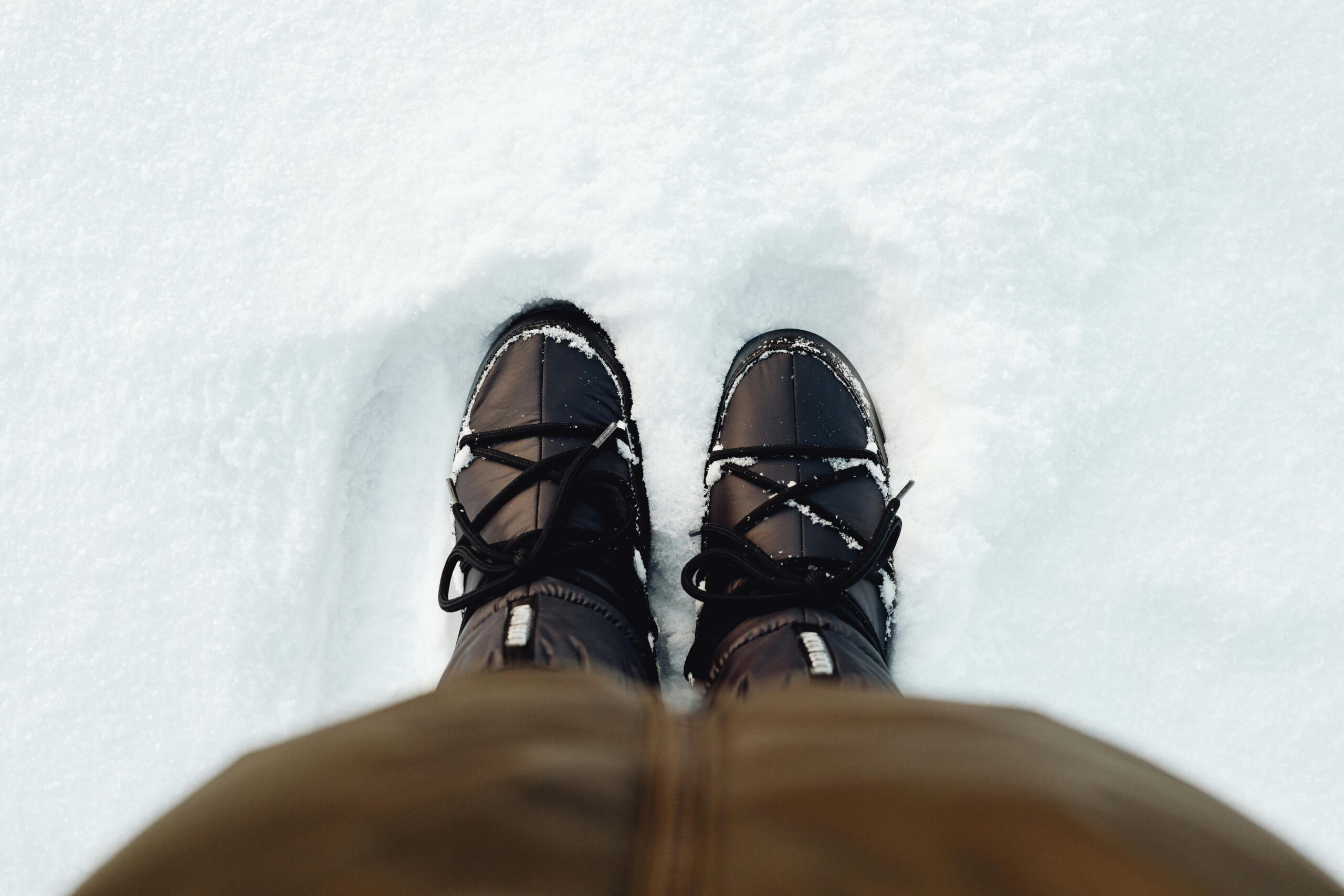
Footwear testing should evaluate not just material integrity but actual thermal performance. Use temperature probes inside boots during cold exposure to measure insulation effectiveness. Test traction on icy surfaces and evaluate how sole materials perform when frozen hard.
Water purification systems face unique cold challenges. Filters can crack if water inside them freezes. Chemical treatments may become ineffective or require longer contact times. Pumps and mechanical components can freeze solid. Test your water treatment system across your expected temperature range.
Making Informed Gear Selection Decisions
Testing reveals that premium pricing doesn’t always correlate with cold weather performance. Some budget gear performs admirably while expensive alternatives fail. Manufacturer specifications often lack cold weather performance data or use optimistic testing protocols that don’t reflect real-world conditions.
Prioritize gear with proven cold weather track records. User reviews from winter expeditions and arctic professionals provide valuable real-world data that laboratory testing misses. Look for specific cold weather performance comments rather than general satisfaction ratings.
Consider the total system, not just individual components. A sleeping bag rated to -20°F means nothing if your tent fabric becomes brittle and tears, or your sleeping pad’s valve freezes open. Every component in your gear system must reliably function at your lowest expected temperature.
⚙️ Maintenance and Preparation for Extreme Cold
Proper maintenance dramatically improves cold weather gear performance. Pre-trip preparation should include thorough cleaning—dirt and oils accelerate material degradation in extreme conditions. Refresh DWR treatments on waterproof fabrics, as water absorption makes cold conditions far more dangerous.
Inspect all gear under magnification, looking for small cracks, delaminations, or wear that might propagate under cold stress. Replace questionable components before they fail in the field. A $5 zipper replacement is vastly cheaper than a ruined expedition or emergency evacuation.
Store cold weather gear properly during off-season. Compressed insulation loses loft over time. Batteries should be stored partially charged in cool conditions. Clean and dry all gear thoroughly before storage to prevent degradation from residual moisture and contaminants.
Building Confidence Through Progressive Testing
Start with less critical gear and shorter, colder exposures before testing your most expensive or essential equipment. This progressive approach builds your understanding of cold weather effects and testing methodologies without risking your best gear to beginner mistakes.
Join online communities focused on winter camping, mountaineering, or polar exploration. These groups share testing results, failure modes, and gear recommendations based on extensive real-world experience. Contributing your own testing results helps the entire community make better gear decisions.
Remember that testing is ongoing. Materials age, technologies improve, and your personal requirements evolve. Retest gear periodically, especially after several seasons of use or storage. Gear that performed flawlessly when new may develop weaknesses that only cold weather testing reveals.
Freeze-proofing your gear through comprehensive testing transforms uncertainty into confidence. Whether you’re planning a weekend winter camping trip or a serious arctic expedition, knowing exactly how your equipment will perform in extreme cold provides peace of mind that no amount of manufacturer marketing can deliver. The time invested in thorough cold weather testing pays dividends in reliability, safety, and successful adventures in even the harshest frozen environments. 🏔️