Modern boot insulation technology has transformed footwear comfort through innovative materials like advanced foams, aerogels, and composite structures that regulate temperature efficiently.

🥾 The Evolution of Boot Insulation Technology
For decades, boot manufacturers relied on traditional materials like wool felt and simple foam padding to keep feet warm. These conventional solutions served their purpose but came with significant limitations: bulkiness, moisture retention, and inconsistent thermal performance. Today’s insulation architectures represent a quantum leap forward, incorporating aerospace-grade materials and cutting-edge composite engineering that would have seemed like science fiction just twenty years ago.
The modern boot wearer demands more than basic warmth. Whether you’re a mountaineer facing subzero temperatures, a construction worker standing on frozen ground for twelve-hour shifts, or simply someone navigating winter commutes, your footwear needs to deliver consistent comfort without compromise. This evolution in boot insulation directly responds to these diverse, demanding requirements.
Understanding the science behind these revolutionary materials empowers consumers to make informed decisions. The right insulation architecture can mean the difference between enjoyable outdoor adventures and miserable experiences, between productive workdays and cold-related injuries, between investment-worthy boots and disappointing purchases.
🔬 Advanced Foam Technologies: Beyond Basic Padding
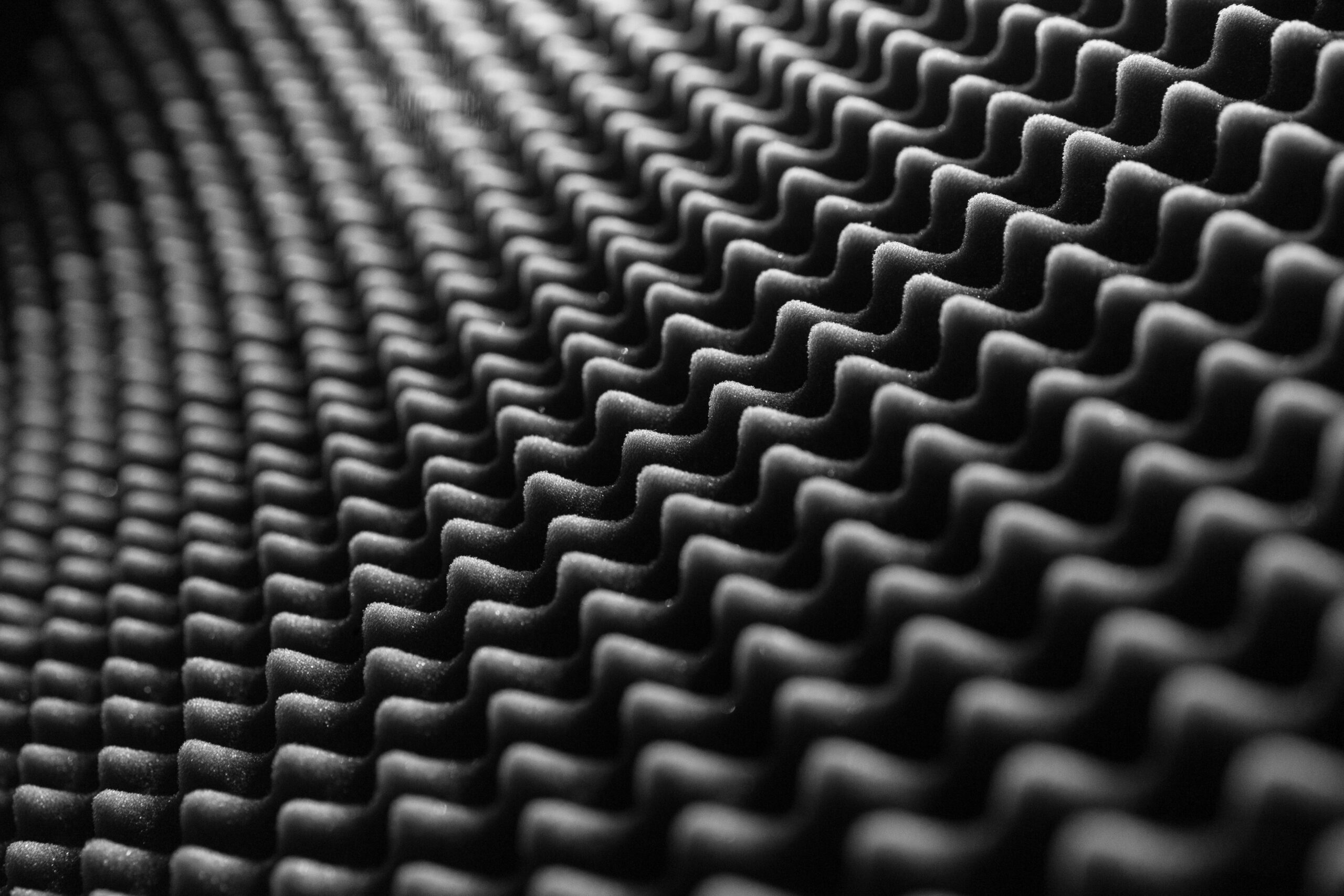
Traditional open-cell foams have given way to sophisticated closed-cell structures that trap air more effectively while resisting moisture penetration. These next-generation foams leverage polymer chemistry advances to create microscopic cellular architectures optimized for thermal resistance.
EVA (ethylene-vinyl acetate) foam remains popular but has evolved significantly. Modern EVA formulations incorporate phase-change materials that absorb and release heat as needed, actively regulating foot temperature rather than simply insulating passively. This smart adaptation prevents both cold exposure and overheating during physical activity.
Memory Foam Integration for Customized Comfort
Memory foam technology, originally developed by NASA, has migrated from mattresses to boot insulation with remarkable results. Viscoelastic polyurethane foams conform to individual foot contours, distributing pressure evenly while maintaining thermal barriers. The material’s temperature-sensitive properties mean it becomes more pliable with body heat, creating custom-fitted insulation that improves with wear.
Premium boot manufacturers now layer different foam densities strategically. Firmer foams provide structural support at the heel and arch, while softer memory foam cushions high-pressure areas. This zoned approach maximizes both comfort and insulation efficiency without adding unnecessary bulk or weight.
Polyurethane Innovation and Durability
Cross-linked polyurethane foams offer superior resilience compared to earlier generations. These materials resist compression set—the tendency of foam to permanently flatten under repeated stress. In practical terms, this means boots maintain their insulating properties throughout years of use rather than degrading after a single season.
Microcellular polyurethane structures achieve exceptional warmth-to-weight ratios. By engineering cell sizes at the microscopic level, manufacturers create foams with minimal mass that trap body heat effectively. This technology particularly benefits hikers and backcountry enthusiasts who count every ounce in their pack.
☁️ Aerogel: The Superinsulator Revolutionizing Footwear
Aerogel represents one of the most extraordinary materials in modern boot construction. Often called “frozen smoke” due to its translucent appearance, aerogel consists of 95-99% air trapped in an ultra-fine silica matrix. This remarkable structure makes it the world’s lightest solid and one of the most effective insulators ever created.
Originally developed for aerospace applications including Mars rover missions, aerogel has migrated to consumer footwear over the past decade. Its thermal conductivity measures lower than still air, meaning it insulates better than a vacuum in practical applications. A thin aerogel layer provides equivalent insulation to foam three to eight times thicker.
Practical Aerogel Applications in Boot Design
Aerogel comes in two primary forms for footwear: flexible blankets and rigid panels. Flexible aerogel blankets incorporate the material into fibrous batting that can be sewn or laminated into boot linings. This approach maintains freedom of movement while delivering exceptional warmth.
Rigid aerogel panels work best in boot footbeds and midsoles where structural stability matters more than flexibility. These panels create thermal barriers between frozen ground and feet, addressing one of the most challenging aspects of cold-weather footwear design.
The hydrophobic nature of modern aerogels addresses early concerns about moisture sensitivity. Contemporary formulations repel water while remaining breathable, preventing the clammy interior conditions that plagued earlier insulation technologies. This moisture management proves crucial for all-day comfort and foot health.
Cost Considerations and Market Accessibility
Aerogel-insulated boots command premium prices, typically ranging from $200 to $500 depending on construction quality and additional features. This investment reflects both material costs and specialized manufacturing requirements. However, for professionals working in extreme cold or serious outdoor enthusiasts, the performance justification often outweighs the expense.
As production scales increase and manufacturing processes improve, aerogel technology gradually becomes more accessible. Mid-range boot brands now offer aerogel-enhanced models at price points that would have been impossible five years ago, democratizing access to this superior insulation.
🧪 Composite Insulation Systems: Engineering Synergy
The most sophisticated boot insulation doesn’t rely on single materials but rather engineers composite systems that leverage multiple technologies strategically. These hybrid architectures combine materials with complementary properties to achieve performance impossible with individual components.
A typical high-performance composite might layer aerogel closest to the foot for maximum thermal efficiency, backed by memory foam for comfort, supported by structural PU foam for shape retention, and finished with a reflective membrane that bounces radiant heat back toward the foot. Each layer serves specific functions while contributing to overall system performance.
Reflective Insulation Layers
Metallized films and aluminum-coated fabrics add minimal bulk while significantly enhancing thermal retention. These reflective barriers work on different principles than mass insulation, blocking radiant heat transfer rather than simply trapping air. When integrated into composite systems, they can improve overall insulation efficiency by 20-30% with negligible weight penalty.
Space blanket technology has evolved far beyond emergency survival gear. Modern reflective insulation incorporates micro-perforations that maintain breathability while reflecting heat, solving the condensation problems that plagued early implementations. Strategic placement of these layers—typically between insulation zones—maximizes benefit without compromising comfort.
Phase-Change Materials for Active Temperature Regulation
Phase-change materials (PCMs) represent a paradigm shift from passive insulation to active temperature management. These substances absorb heat energy when they melt at specific temperatures, then release that energy when solidifying. In boot applications, PCMs smooth out temperature fluctuations, preventing both cold feet during rest periods and overheating during activity.
Microencapsulated PCMs can be integrated into foams, fabrics, or applied as coatings. The microcapsules protect the phase-change material from mechanical damage while allowing thermal transfer. This technology proves particularly valuable for variable-intensity activities like skiing, mountaineering, or hunting where activity levels fluctuate dramatically.
💧 Moisture Management in Modern Insulation
Even the most thermally efficient insulation fails if it becomes saturated with perspiration. Human feet produce approximately 250 milliliters of moisture daily—more during physical activity. Managing this moisture without compromising thermal performance represents one of the most challenging aspects of boot design.
Traditional insulation materials like wool naturally wick moisture while maintaining warmth when damp. Synthetic alternatives initially struggled with moisture management, but contemporary technologies have largely overcome these limitations through engineered material properties and composite architectures.
Hydrophobic Treatments and Material Selection
Modern foam insulations incorporate hydrophobic additives during manufacturing, causing them to repel water at the molecular level. Closed-cell structures prevent moisture penetration into the material matrix, maintaining thermal performance even in wet conditions. This represents a crucial advantage over open-cell foams that absorb water like sponges.
Aerogels naturally resist water absorption due to their silica composition and surface treatments. This hydrophobic property extends boot longevity by preventing the material degradation that moisture causes in organic insulations. The combination of water resistance and breathability creates ideal conditions for foot comfort.
Vapor Transmission and Breathability Engineering
Breathable membranes like Gore-Tex or proprietary alternatives form critical components of high-performance insulation systems. These membranes allow water vapor molecules to escape while blocking liquid water penetration. Positioning them correctly within the insulation architecture ensures moisture moves away from feet toward the exterior environment.
The challenge lies in balancing breathability with insulation. Highly breathable materials typically insulate poorly, while dense insulators restrict airflow. Composite systems address this through zoned construction—maximizing breathability in high-perspiration areas while concentrating dense insulation where thermal protection matters most.
🌡️ Understanding R-Values and CLO Ratings
Quantifying insulation performance helps consumers compare products objectively. Two primary measurement systems dominate footwear insulation: R-value (thermal resistance) and CLO ratings (thermal insulation of clothing).
R-value measures material resistance to heat flow, with higher numbers indicating better insulation. An R-value of 1 represents relatively minimal insulation, while values above 5 indicate exceptional thermal resistance suitable for extreme cold. Quality winter boots typically feature insulation with R-values between 3 and 7 depending on intended use.
CLO ratings originated in textile research, with 1 CLO representing the insulation needed to keep a resting person comfortable at 70°F (21°C). Winter boots designed for stationary activity in extreme cold might provide 3-5 CLO, while lighter hiking boots for active use might offer 1-2 CLO.
Practical Performance Versus Laboratory Testing
Laboratory measurements provide valuable baseline comparisons, but real-world performance depends on numerous factors beyond insulation material alone. Boot fit affects air gaps that compromise thermal efficiency. Activity level determines how much metabolic heat your body generates. Ground contact duration impacts cold transfer through the sole. Wind exposure influences heat loss through convection.
Understanding these variables helps set realistic expectations. A boot rated for -40°F assumes moderate activity levels and proper layering. Standing motionless while ice fishing requires significantly more insulation than snowshoeing at the same temperature. Matching insulation architecture to your specific use case ensures satisfaction rather than disappointment.
👷 Application-Specific Insulation Strategies
Different activities and environments demand tailored insulation approaches. Mountaineering boots prioritize maximum warmth with minimal weight. Work boots balance thermal protection with durability and all-day wearability. Casual winter boots emphasize versatility across moderate temperature ranges.
Extreme Cold Weather Expeditions
Arctic expeditions and high-altitude mountaineering require the absolute pinnacle of insulation technology. These specialized boots combine multiple technologies: aerogel footbeds, composite foam layers, reflective barriers, and removable liners that can be dried separately. Total insulation thickness may exceed two inches, with boots resembling miniature sleeping bags for feet.
Weight concerns become secondary to survival in these applications. Expedition boots commonly weigh 4-6 pounds per pair, but that mass includes the insulation architecture necessary to prevent frostbite in -60°F temperatures with windchill. Removable liner systems allow customization—adding extra insulation layers for stationary activities or removing them during high-exertion climbing.
Industrial and Occupational Requirements
Construction workers, utility technicians, and other outdoor professionals need insulation that performs consistently throughout long shifts in cold conditions. Durability becomes paramount, as these boots face daily abuse that would destroy consumer-grade footwear within weeks.
Industrial insulation systems emphasize compression resistance and moisture management over absolute thermal performance. Workers generate significant metabolic heat through physical labor, requiring less insulation than stationary activities but demanding better breathability to prevent sweat accumulation. Composite systems combining PU foam cores with moisture-wicking liners deliver the necessary balance.
Recreational Winter Activities
Skiing, snowboarding, snowshoeing, and winter hiking present moderate insulation requirements with high demands for flexibility and comfort. These activities generate substantial body heat, so excessive insulation causes overheating and perspiration buildup. Lightweight foam composites with good breathability prove ideal, providing adequate warmth without bulk or weight that hinders performance.
Modern ski boots integrate targeted insulation—minimal in flex zones for unrestricted movement, concentrated around the foot and lower leg where warmth matters most. This zoned approach optimizes both athletic performance and comfort across varying temperatures and activity intensities.
🔍 Evaluating Quality and Making Informed Purchases
Marketing hype often obscures genuine performance differences in boot insulation. Manufacturers tout proprietary technologies with impressive names but vague specifications. Learning to evaluate insulation quality objectively protects consumers from disappointing purchases.
Examine insulation specifications beyond marketing terms. Look for R-values or temperature ratings backed by standardized testing. Check insulation thickness at various boot locations—quality manufacturers distribute insulation strategically rather than uniformly padding everything. Investigate whether insulation integrates throughout the boot or merely lines the interior as an afterthought.
Construction Quality Indicators
Sewn-in insulation generally outlasts glued alternatives, maintaining position and effectiveness through years of use. Removable liners offer versatility and enable drying, extending both comfort and longevity. Sealed seams prevent moisture penetration that compromises insulation performance.
Weight relative to warmth rating indicates insulation efficiency. Modern materials should provide exceptional thermal protection without excessive bulk. If boots feel heavy for their stated temperature rating, they likely use outdated insulation technology or overcompensate for poor design with excessive material.
Fit and Thermal Performance
Proper fit directly impacts insulation effectiveness. Overly tight boots compress insulation, reducing its ability to trap air and insulate. Excessively loose boots create air gaps that allow heat escape through convection. Premium insulation technologies can’t overcome poor fit—the most advanced aerogel system fails if your toes press against cold boot toes or heels slip creating ventilation gaps.
Try boots with the sock systems you’ll actually wear. Thick winter socks affect fit significantly. Walk around sufficiently to assess comfort—insulation should feel present without creating pressure points. Flex the boot to ensure insulation doesn’t bunch uncomfortably or restrict natural foot movement.
♻️ Sustainability Considerations in Modern Insulation
Environmental consciousness increasingly influences consumer purchasing decisions. Boot insulation manufacturing impacts the environment through resource extraction, energy consumption, chemical processes, and end-of-life disposal challenges. Understanding these factors helps align purchases with personal values.
Synthetic insulations derive from petroleum products, raising concerns about fossil fuel dependence and microplastic pollution. However, their durability and performance often mean boots last longer, potentially offsetting manufacturing impacts through extended use. Natural alternatives like wool provide renewable, biodegradable options but may require more frequent replacement and offer inferior performance in wet conditions.
Recycled materials increasingly appear in quality boot insulation. Post-consumer plastic bottles transform into high-performance insulation fibers, diverting waste from landfills while reducing virgin material demand. These recycled synthetics match or exceed traditional insulation performance while offering improved environmental profiles.
🚀 Future Innovations on the Horizon
Insulation technology continues evolving rapidly. Research laboratories and material science companies develop innovations that will define next-generation boot comfort. Understanding emerging technologies helps consumers anticipate future options and make current purchases with better perspective on longevity and eventual replacement.
Graphene-enhanced insulations promise revolutionary performance improvements. This carbon material’s exceptional thermal properties could enable ultra-thin insulation layers matching current thick foam performance. Early prototypes show promising results, though commercial availability and cost-effectiveness remain years away from mainstream adoption.
Smart insulation incorporating electronic temperature regulation represents another frontier. Thin heating elements powered by rechargeable batteries already appear in premium boot models. Future developments may include thermoelectric systems that actively pump heat, smartphone-controlled temperature adjustment, and sensors that automatically optimize insulation properties based on environmental conditions and activity levels.
Biomimetic insulation draws inspiration from nature’s thermal regulation strategies. Researchers study everything from polar bear fur structure to penguin feather arrangements, applying these evolutionary solutions to synthetic materials. These bio-inspired designs could deliver performance breakthroughs while potentially reducing environmental impacts through more efficient manufacturing processes.
🎯 Maximizing Your Insulation Investment
Even the most advanced insulation requires proper care and maintenance to deliver optimal long-term performance. Simple practices extend boot life while maintaining thermal effectiveness season after season. These habits protect your investment while ensuring reliable comfort when you need it most.
Dry boots thoroughly between uses, removing insoles and opening them completely to promote air circulation. Moisture trapped in insulation degrades performance immediately and damages materials over time. Never use direct heat sources like radiators or fires—excessive heat melts synthetic foams and aerogels. Instead, stuff boots with newspaper or use specialized boot dryers that circulate ambient-temperature air.
Store boots properly during off-season periods. Clean them thoroughly before storage to prevent mold growth and material degradation. Store in cool, dry locations away from direct sunlight which degrades many insulation materials. Stuff boots with newspaper or boot shapers to maintain form and prevent insulation compression that reduces effectiveness.
Inspect insulation condition regularly. Check for compression damage, moisture staining, or material breakdown. Address minor issues promptly—small problems become major failures if ignored. Many quality boots allow insulation replacement or professional repair, significantly extending overall lifespan and maintaining performance that justifies the initial investment.
The revolution in boot insulation technology offers unprecedented comfort and performance across all cold-weather applications. Understanding the science behind foams, aerogels, and composite systems empowers informed decisions that match specific needs with appropriate solutions. Whether facing extreme expeditions, daily work in cold environments, or recreational winter activities, modern insulation architectures deliver warmth without compromise. As materials science continues advancing, future innovations promise even more impressive achievements in keeping feet comfortable regardless of conditions. The key lies in understanding your requirements, evaluating options objectively, and maintaining your investment properly—practices that transform good boots into reliable companions for years of cold-weather adventures and activities.