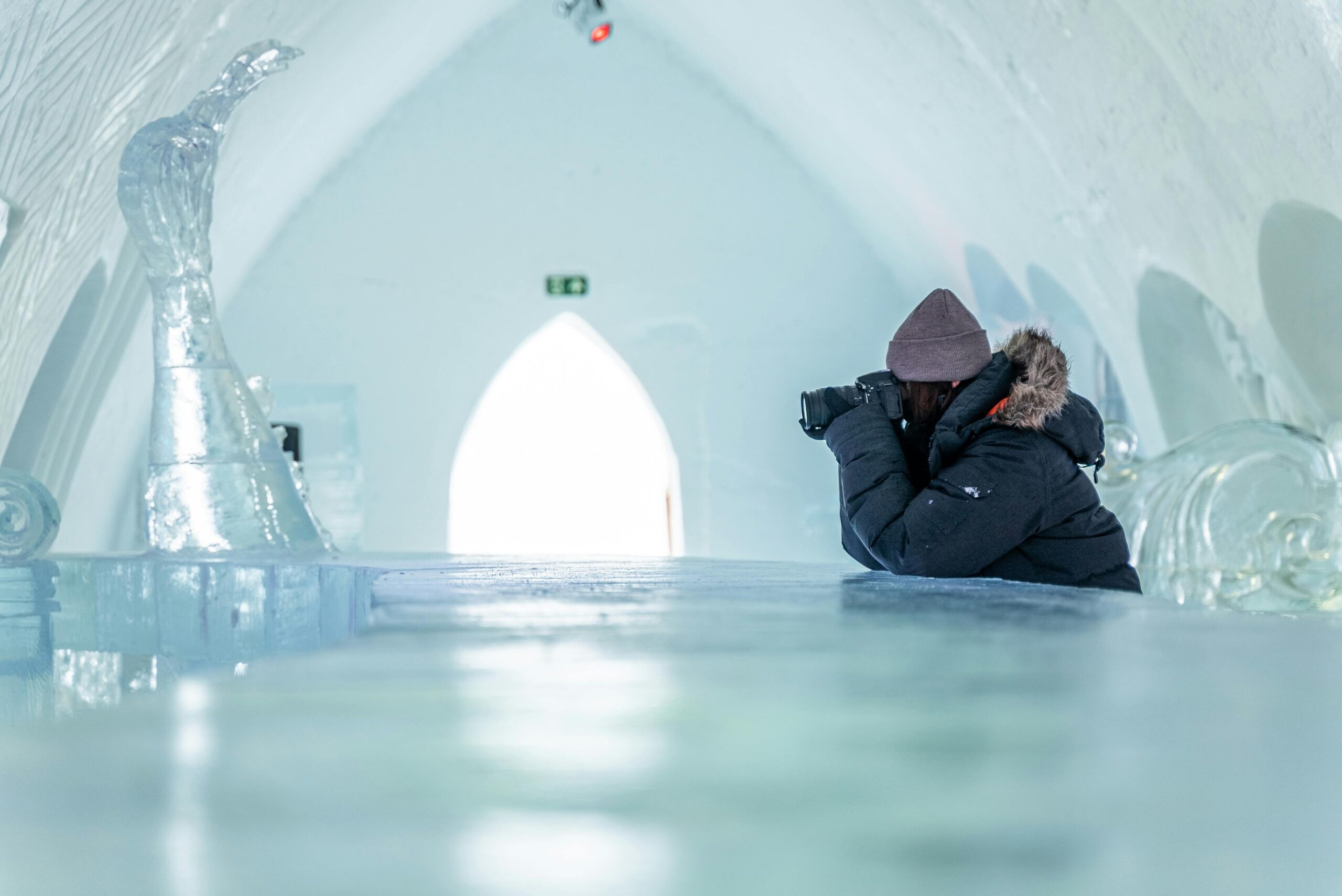
Surviving in the Arctic demands more than courage—it requires a mindset engineered for extreme conditions where nature tests every human limit.

🧊 Understanding the Arctic Environment: Your First Step to Survival
The Arctic represents one of Earth’s most unforgiving environments, where temperatures plummet to -50°C (-58°F) and daylight vanishes for months. Before developing a survival mindset, you must understand what you’re facing. The Arctic isn’t just cold—it’s a complex ecosystem of extreme wind chills, unpredictable weather patterns, and unique geographical challenges that can turn deadly within minutes.
Wind chill factors in the Arctic can make already frigid temperatures feel life-threatening. When wind speeds reach 30 mph combined with -30°C temperatures, exposed skin can freeze in under ten minutes. This biological reality shapes every decision an Arctic survivor must make. Understanding these environmental mechanics isn’t academic—it’s the foundation of staying alive.
The polar environment also creates psychological challenges. Extended darkness during winter months triggers circadian rhythm disruptions, affecting decision-making capabilities and emotional stability. Successful Arctic survivors recognize these mental obstacles as tangible threats requiring strategic countermeasures, not weaknesses to ignore.
🎯 The Psychology Behind Arctic Survival Thinking
Engineering a survival mindset begins in the mind long before facing actual Arctic conditions. Mental preparation involves rewiring your response to stress, discomfort, and fear. Navy SEALs and polar explorers share a common trait: they’ve trained their minds to remain calm when their bodies scream danger.
Cognitive resilience forms the cornerstone of Arctic survival psychology. This means developing the ability to make rational decisions when hypothermia clouds your thinking, when frostbite numbs your extremities, and when isolation weighs heavily on your spirit. Studies of successful Arctic expeditions reveal that survivors consistently demonstrate three mental characteristics:
- Emotional regulation under extreme stress
- Adaptability when plans fail unexpectedly
- Purposeful action despite overwhelming uncertainty
- Realistic optimism balanced with threat awareness
- Mental compartmentalization of problems into manageable tasks
Training this mindset requires deliberate practice. Cold exposure training, meditation under uncomfortable conditions, and scenario-based mental rehearsals prepare your neural pathways for Arctic realities. When your brain has already “experienced” frostbite symptoms or shelter-building urgency through visualization, real-world responses become more automatic and effective.
The Rule of Threes in Arctic Context
Survival experts often reference the Rule of Threes: three minutes without air, three hours without shelter in harsh conditions, three days without water, three weeks without food. In the Arctic, this rule becomes compressed. The “three hours without shelter” becomes potentially thirty minutes in extreme cold with inadequate protection.
This compressed timeline demands a survival mindset that prioritizes ruthlessly. Your engineered thinking must automatically assess: shelter first, fire second, water third, food fourth. This hierarchy isn’t flexible in Arctic conditions—deviation means death.
❄️ Essential Physical Preparations for Cold Weather Mastery
Mental fortitude requires physical capability as its foundation. Your body must be conditioned to function in extreme cold, which means specific training protocols tailored to Arctic demands. Cardiovascular endurance, muscular strength, and cold adaptation all play critical roles.
Cold adaptation training involves gradual exposure to decreasing temperatures, allowing your body to develop non-shivering thermogenesis—heat production without visible shaking. This physiological adaptation improves circulation to extremities and enhances your core temperature regulation. Practitioners might start with cold showers, progress to ice baths, and eventually train outdoors in winter conditions wearing progressively less insulation.
Nutritional preparation matters equally. Arctic survival demands caloric intake far exceeding normal requirements—potentially 5,000-6,000 calories daily to maintain body temperature and energy for survival tasks. Training your body to efficiently metabolize high-fat diets proves essential, as fats provide concentrated energy in minimal weight for expeditions.
Building Cold-Weather Endurance
Physical training programs for Arctic conditions should include specific exercises that simulate survival scenarios. These might include:
- Weighted sled pulls mimicking supply hauling across snow
- Snowshoe hiking with elevation gain to build leg strength
- Finger and hand strengthening exercises for maintaining dexterity in cold
- Core stability work for maintaining balance on ice and uneven terrain
- Breath control exercises for managing respiratory stress in frigid air
🔥 Critical Skill Development: From Theory to Muscle Memory
Knowledge without practiced skill offers little protection when your fingers can barely move and darkness surrounds you. Engineering a survival mindset means transforming technical knowledge into automatic physical responses through repetitive training.
Fire-starting represents perhaps the most critical survival skill for Arctic conditions. You must master multiple methods—ferro rod sparking, battery and steel wool, chemical reactions, and traditional friction methods. Practice these techniques until you can execute them wearing thick gloves, in complete darkness, and with numb fingers. The difference between theoretical knowledge and muscle memory becomes the difference between hypothermia and survival.
Shelter construction skills require similar mastery. Building a quinzhee, snow cave, or debris hut in comfortable conditions teaches the process. Building one in a blizzard with failing daylight and dropping temperatures tests whether you’ve truly internalized the skill. Practice must incorporate time pressure, adverse conditions, and equipment failure scenarios.
Navigation Without Technology
Arctic survival often means operating when GPS devices fail from cold or batteries die. Traditional navigation using sun position, star patterns, and environmental cues becomes essential. The survival mindset includes accepting technology’s limitations and maintaining redundant analog skills.
Understanding how to read snow patterns, identify wind direction from snow formations, and use the moon for rough direction-finding provides backup when modern tools fail. These skills require field practice in actual winter environments, not just book learning.
🧰 Equipment Mastery: Tools as Extensions of Mindset
The right equipment matters tremendously, but only when paired with knowledge and practiced skill. Your survival mindset must include intimate familiarity with every piece of gear you carry—its capabilities, limitations, and alternative uses.
Layering systems for clothing illustrate this principle. Understanding base layers, insulation layers, and shell layers matters less than knowing exactly when to add or remove each layer based on activity level, wind conditions, and moisture management. This requires experiential learning in actual cold conditions.
| Equipment Category | Primary Purpose | Survival Priority Level |
|---|---|---|
| Insulation (clothing/sleeping) | Maintain core temperature | Critical – Immediate need |
| Fire-starting tools (multiple) | Heat, water purification, signaling | Critical – Immediate need |
| Cutting tools (knife, saw) | Shelter building, firewood processing | High – First hour needs |
| Water containers (insulated) | Hydration maintenance | High – First day needs |
| Navigation tools (compass, maps) | Route finding, location awareness | Moderate – Depends on scenario |
| Communication devices | Rescue coordination | Moderate – When rescue possible |
Equipment redundancy forms part of the survival mindset. Carrying three different fire-starting methods acknowledges that conditions might make any single method impossible. This redundancy thinking extends to all critical functions—multiple ways to purify water, backup navigation tools, and emergency shelter options beyond your primary plan.
💪 Decision-Making Frameworks Under Extreme Stress
Arctic survival situations rarely unfold as planned. Weather changes violently, injuries occur unexpectedly, and equipment fails at critical moments. Your engineered mindset must include decision-making frameworks that function when stress hormones flood your system and cognitive clarity diminishes.
The STOP method provides one such framework: Stop, Think, Observe, Plan. When crisis strikes, your trained response should be to halt immediate action, assess the situation completely, gather information through observation, then develop a deliberate plan. This counters the human instinct to act impulsively when threatened.
Another critical framework involves the OODA loop: Observe, Orient, Decide, Act. Originally developed for military aviation, this cycle recognizes that survival advantages go to those who cycle through decision-making faster than their opponent—in this case, the hostile Arctic environment.
Risk Assessment in Real-Time
Calculating risk versus reward becomes essential when every action burns calories and exposes you to cold. Should you travel to find better shelter or improve your current position? Should you melt snow for water or ration your existing supply longer? These questions demand frameworks for rapid assessment.
Successful Arctic survivors develop intuition through experience—mental shortcuts based on accumulated knowledge that allow faster decisions. Building this intuition requires deliberate exposure to varied scenarios, either through actual expeditions or realistic simulation training.
🌨️ Weather Reading: Anticipating Arctic Conditions
The Arctic environment communicates constantly through subtle signals. Cloud formations, wind patterns, animal behavior, and barometric pressure changes all telegraph coming weather. Developing weather intuition forms a crucial component of survival mindset engineering.
Understanding that halo phenomena around the sun or moon indicate ice crystals in upper atmosphere clouds—often preceding storm fronts by 24-48 hours—provides critical planning time. Recognizing when falling snow crystals change from stellar dendrites to graupel signals warming or cooling trends that affect avalanche danger and travel conditions.
Traditional indigenous knowledge offers profound insights into Arctic weather patterns. Communities who’ve survived in polar regions for millennia have developed sophisticated environmental literacy that modern meteorology is only beginning to appreciate. Incorporating this accumulated wisdom alongside scientific understanding creates a more complete survival framework.
🏔️ Group Dynamics in Arctic Survival Scenarios
Survival situations rarely involve solo operators. Group dynamics significantly influence survival outcomes, both positively and negatively. Engineering your survival mindset must account for leadership, cooperation, conflict resolution, and motivation within teams facing extreme stress.
Research on Antarctic research stations and Arctic expeditions reveals that interpersonal conflict poses significant survival risks—sometimes more dangerous than the environment itself. Successful teams develop clear leadership structures, communication protocols, and conflict resolution mechanisms before crises emerge.
Your individual survival mindset should include awareness of group psychology, recognition of when team morale threatens safety, and skills for maintaining cohesion under stress. This might mean suppressing personal discomfort to maintain group spirits or diplomatically challenging poor decisions by informal leaders.
Communication in Extreme Conditions
Arctic conditions impair communication—wind drowns out voices, face coverings muffle speech, and cold makes electronic devices unreliable. Developing hand signals, pre-arranged plans for various scenarios, and habits of clear, concise communication becomes essential. Practice these communication methods during training so they become automatic under stress.
🧭 Long-Term Survival: Beyond Immediate Crisis
Most survival training focuses on immediate threats—the first 72 hours when rescue seems imminent. However, true Arctic survival mindset preparation includes scenarios where rescue takes weeks or self-rescue requires extended independent operation.
Long-term survival demands different thinking. Water and food procurement become critical priorities. Understanding ice fishing techniques, trap construction for small game, and plant identification for Arctic vegetation provides options beyond carried supplies. These skills require extensive practice—you cannot learn to fish through ice effectively while simultaneously managing hypothermia.
Psychological endurance for extended survival situations differs from short-term crisis management. Maintaining hope, establishing routines, setting achievable daily goals, and managing isolation all become essential mental strategies. Historical accounts from polar explorers provide valuable insights into psychological techniques that sustained them through months of extreme conditions.
🎖️ Learning from Historical Arctic Expeditions
History offers both cautionary tales and inspiration for developing Arctic survival mindset. The Shackleton Endurance expedition demonstrates extraordinary leadership and adaptability when plans completely collapsed. The Franklin expedition shows how even well-equipped expeditions can fail catastrophically when adaptation and indigenous knowledge are ignored.
Modern adventurers like Børge Ousland and Lonnie Dupre demonstrate how contemporary understanding, traditional techniques, and engineered mindset create success in previously impossible Arctic crossings. Studying these expeditions reveals patterns—successful survivors remain flexible, maintain group cohesion, respect the environment’s power, and prepare far beyond expected needs.
Indigenous Arctic peoples—Inuit, Sami, Yakut, and others—offer perhaps the most valuable lessons. Their survival isn’t luck or accident but accumulated wisdom refined over generations. Learning their clothing designs, shelter construction methods, and relationship with the Arctic environment provides proven strategies unavailable elsewhere.
🔬 Continuous Improvement: Evolution of Your Survival Capability
Engineering a survival mindset isn’t a destination but an ongoing process. Each training expedition, each book studied, and each skill practiced incrementally improves your capability. The mindset includes commitment to continuous learning and honest assessment of your current limitations.
After-action reviews following any Arctic exposure—whether training exercise or actual survival situation—solidify learning. What worked? What failed? What would you do differently? This reflective practice transforms experiences into wisdom, building the intuitive decision-making that characterizes true mastery.
Physical conditioning requires ongoing maintenance. Cold adaptation diminishes without regular exposure. Skills degrade without practice. The survival mindset includes disciplined maintenance of capabilities, not just initial acquisition.
🌟 Embracing the Arctic Challenge with Prepared Confidence
Mastering Arctic survival doesn’t mean eliminating fear—it means transforming fear into focused action. The properly engineered survival mindset acknowledges the environment’s lethality while maintaining confident capability. You respect the Arctic’s power without being paralyzed by it.
This balance between humility and confidence comes through preparation. When you’ve practiced fire-starting hundreds of times in adverse conditions, built emergency shelters repeatedly, and trained your body for cold endurance, confidence emerges naturally. This isn’t arrogance but earned assurance in your capabilities.
The Arctic environment will always remain dangerous. No amount of preparation eliminates risk completely. However, engineering a survival mindset transforms you from a potential victim into a capable operator who can face extreme conditions with realistic confidence, adaptable thinking, and practiced skills that significantly improve survival odds.
Your journey toward Arctic mastery begins with a single commitment—to approach survival not as hoping for luck but as developing comprehensive capability through deliberate preparation. The elements remain unforgiving, but your engineered mindset becomes the difference between succumbing and surviving, between panic and purposeful action, between being at nature’s mercy and demonstrating human resilience at its finest.