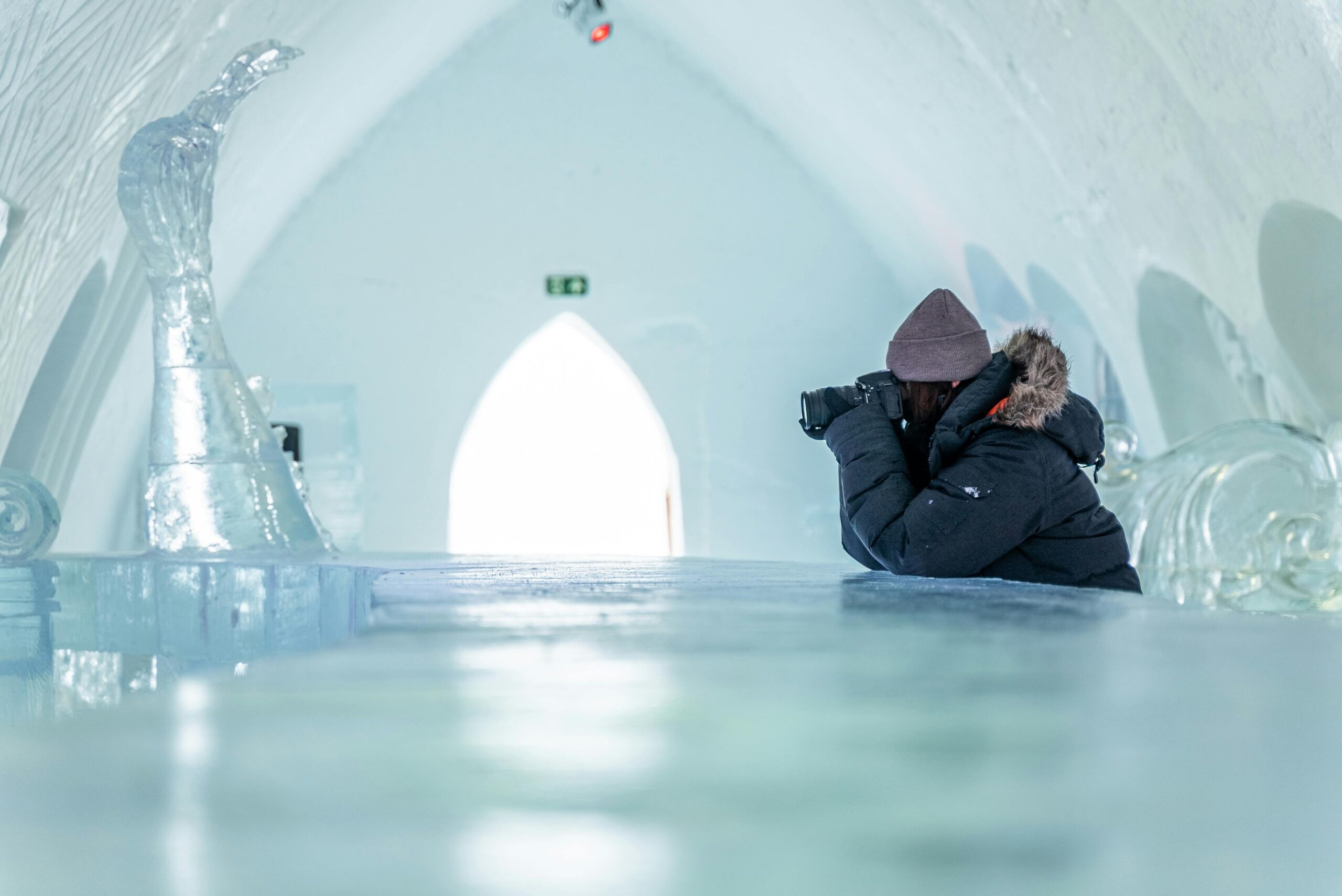
The Arctic is one of Earth’s most unforgiving environments, where survival depends on understanding extreme weather patterns, preparing for unpredictable hazards, and respecting the frozen wilderness.

🌨️ Understanding the Arctic Climate: More Than Just Cold
The Arctic region presents a unique set of environmental challenges that extend far beyond simply dealing with cold temperatures. This polar environment experiences some of the most extreme weather variations on the planet, with conditions that can shift dramatically within hours. Temperature fluctuations ranging from -50°C in winter to brief summer periods approaching 10°C create a dynamic and dangerous landscape.
What makes the Arctic particularly treacherous is not just the cold itself, but the combination of factors that work together to threaten human survival. Wind chill can lower the effective temperature by 20 degrees or more, turning a manageable -20°C day into a life-threatening situation. The polar night during winter months means complete darkness for extended periods, while summer brings the midnight sun, disrupting natural circadian rhythms and making navigation challenging.
Arctic weather systems develop rapidly due to the interaction between polar air masses and warmer systems moving from lower latitudes. These collisions can spawn sudden blizzards, whiteout conditions, and ice storms with minimal warning. Understanding these meteorological patterns is essential for anyone venturing into the frozen north.
Primary Weather Hazards in Arctic Environments
Navigating the Arctic requires intimate knowledge of the specific weather hazards that characterize this extreme environment. Each threat presents unique challenges and demands specific survival strategies.
Extreme Cold and Hypothermia Risk ❄️
Hypothermia remains the single greatest threat to Arctic travelers. When core body temperature drops below 35°C, physiological functions begin to deteriorate rapidly. The Arctic cold is particularly dangerous because it can overcome the body’s heat generation mechanisms within minutes under the wrong conditions.
Frostbite accompanies hypothermia as a secondary cold injury, affecting extremities first—fingers, toes, nose, and ears. Tissue damage can occur in as little as five minutes when temperatures drop below -30°C with wind. The insidious nature of frostbite means victims often don’t realize the severity until significant damage has occurred.
Layering systems become critical infrastructure for survival. The principle of maintaining multiple insulating layers that can be adjusted as activity levels change helps manage perspiration while retaining heat. Moisture management is equally important as cold, as wet clothing loses up to 90% of its insulating properties.
Blizzards and Whiteout Conditions
Arctic blizzards combine high winds, falling snow, and existing ground snow to create complete visibility loss. Unlike snowstorms in temperate regions, Arctic blizzards can materialize within minutes and persist for days. Wind speeds exceeding 60 km/h combined with temperatures below -25°C create survival situations where disorientation is immediate.
Whiteout conditions occur when overcast skies reflect off snow-covered ground, eliminating shadows and depth perception. Travelers report feeling as if they’re walking inside a ping-pong ball, unable to distinguish ground from sky. This sensory deprivation leads to severe disorientation, even in familiar terrain.
Survival during these conditions demands immediate shelter establishment. Continuing to travel during whiteout conditions has resulted in numerous fatalities, with victims found mere meters from safety after becoming hopelessly lost.
Ice Hazards and Surface Instability
Sea ice, lake ice, and glacial surfaces present constantly changing hazards. Ice thickness varies dramatically based on currents, salinity, snow cover, and temperature fluctuations. What appears as solid surface may conceal thin ice, pressure ridges, or open leads of water.
Glacial crevasses represent another critical danger, often concealed beneath snow bridges that appear solid but cannot support human weight. These hidden fractures in ice can be hundreds of meters deep, making falls almost invariably fatal.
Understanding ice formation patterns, recognizing visual cues of unstable ice, and employing proper traveling techniques become life-saving skills in Arctic environments.
🧭 Strategic Planning for Arctic Expeditions
Successful Arctic navigation requires meticulous planning that accounts for worst-case scenarios. The margin for error in polar environments is virtually nonexistent, making preparation the primary survival tool.
Route Planning and Navigation Essentials
Modern GPS technology has revolutionized Arctic navigation, but reliance on electronic devices alone proves dangerous. Batteries fail in extreme cold, devices malfunction, and satellite coverage can be intermittent at high latitudes. Traditional navigation skills using map, compass, and celestial navigation remain essential backup capabilities.
Route selection must prioritize safety over speed. Identifying emergency shelter locations, understanding terrain features that provide wind protection, and marking routes with physical waypoints create multiple safety redundancies. Planned routes should include alternative paths accounting for changed ice conditions or unexpected weather.
Communication planning extends beyond simply carrying devices. Establishing check-in schedules with outside contacts, understanding satellite communication limitations, and preparing emergency beacon systems create safety networks that can mobilize rescue resources when needed.
Weather Forecasting and Monitoring
Arctic weather forecasting presents unique challenges due to sparse observation networks and rapidly changing conditions. Professional meteorological services provide valuable information, but local weather observation skills become equally important.
Cloud formations, wind patterns, temperature trends, and barometric pressure changes all provide clues about incoming weather systems. Learning to read these natural indicators allows for tactical decisions about travel timing, shelter establishment, and activity planning.
Modern weather apps designed for extreme environments can provide valuable forecasting information when connectivity allows. These specialized applications often include wind chill calculations, storm tracking, and location-specific polar weather models.
Essential Gear and Equipment Systems
Arctic survival depends on having the right equipment and knowing how to use it effectively under extreme conditions. Gear failures in the Arctic often prove fatal, making quality and redundancy paramount considerations.
Clothing and Insulation Systems 🧥
The traditional layering system divides clothing into three functional categories: base layers for moisture management, mid layers for insulation, and outer shells for wind and water protection. Each layer must work harmoniously while allowing adjustment as conditions and activity levels change.
Base layers should be synthetic or merino wool—never cotton, which retains moisture and accelerates heat loss. Mid-layer insulation using down or synthetic materials provides warmth, with synthetic options performing better in wet conditions despite being slightly less efficient when dry.
Outer shell garments must balance waterproofing with breathability, a challenging requirement in Arctic conditions where internal moisture can freeze within garment layers. Modern breathable-waterproof fabrics have improved this balance but require proper maintenance to retain effectiveness.
Shelter and Heat Generation
Shelter options in the Arctic range from manufactured tents designed for polar conditions to emergency snow shelters constructed from available materials. Four-season tents with geodesic designs resist extreme winds while maintaining livable interior space.
Snow shelters—including quinzhees, snow caves, and igloos—provide excellent insulation when constructed properly. These traditional structures can maintain interior temperatures significantly warmer than outside conditions through body heat alone, though they require specific snow conditions and construction knowledge.
Heat generation systems typically rely on specialized stoves designed to function in extreme cold. Liquid fuel stoves perform more reliably than canister stoves at very low temperatures, though they require more maintenance and operational skill.
❗ Emergency Protocols and Risk Management
Even the most carefully planned Arctic expeditions face emergencies. Having established protocols and practiced responses dramatically improves survival outcomes during crisis situations.
Recognizing and Responding to Medical Emergencies
Medical emergencies in Arctic environments are complicated by cold exposure, evacuation difficulties, and limited resources. Hypothermia requires immediate recognition and aggressive rewarming protocols, beginning with preventing further heat loss and providing insulated shelter.
Frostbite treatment focuses on protecting damaged tissue from further injury while planning evacuation. Field rewarming of frozen tissue should only occur if refreezing can be prevented, as freeze-thaw-refreeze cycles cause devastating tissue damage.
Wilderness medicine training specific to cold environments should be mandatory for anyone leading Arctic expeditions. Understanding how cold affects injury patterns, medication effectiveness, and treatment protocols saves lives when professional medical care is days away.
Search and Rescue Considerations
Arctic search and rescue operations face enormous challenges due to vast distances, limited infrastructure, and weather constraints on aircraft operations. Personal locator beacons and satellite communication devices provide critical links to rescue resources, but response times measured in days rather than hours are common.
Self-rescue capabilities become paramount in these environments. Having the skills, equipment, and physical capability to address emergencies without outside assistance provides the best survival odds.
Emergency signaling equipment including flares, signal mirrors, and high-visibility markers should be immediately accessible. In whiteout or dark conditions, creating visible signals becomes extremely difficult, making preparation essential.
🌍 Environmental Awareness and Climate Considerations
The Arctic environment is changing rapidly due to global climate shifts, altering traditional hazard patterns and creating new challenges for travelers and indigenous populations alike.
Changing Ice Conditions
Arctic sea ice extent has decreased dramatically over recent decades, with thinner ice forming later in the season and melting earlier each spring. These changes affect traditional travel routes, wildlife patterns, and weather systems throughout the polar region.
Glacial retreat and permafrost thawing alter terrain stability, creating new crevasse fields and changing drainage patterns. Routes that were reliable for decades may now present new hazards requiring constant vigilance and updated information.
Historical knowledge remains valuable, but must be supplemented with current condition assessments and flexibility to adapt to changed circumstances.
Wildlife Encounters and Food Chain Dynamics
Polar bears present serious threats in Arctic coastal regions, particularly where sea ice changes have altered their hunting patterns. Proper food storage, awareness protocols, and defensive equipment become essential in bear country.
Other wildlife including Arctic foxes, wolverines, and marine mammals generally avoid humans but can present hazards during nesting seasons or when food-conditioned. Understanding animal behavior patterns and maintaining appropriate distances protects both humans and wildlife.
Building Resilience Through Training and Experience
Knowledge and experience provide the foundation for Arctic survival. No amount of equipment can substitute for understanding how to respond when conditions deteriorate or emergencies arise.
Formal Arctic survival training courses teach essential skills including shelter construction, navigation, cold weather medicine, and rescue techniques. These programs simulate emergency conditions in controlled environments, building muscle memory and confidence before facing actual survival situations.
Gradual progression from day trips to extended expeditions allows skill development while maintaining safety margins. Each experience builds knowledge about personal responses to cold, equipment performance, and decision-making under stress.
Mentorship from experienced Arctic travelers provides invaluable insights that cannot be learned from books alone. Traveling with knowledgeable guides during initial expeditions creates learning opportunities while maintaining safety through their expertise.
🔥 The Psychology of Arctic Survival
Mental preparation and psychological resilience often determine survival outcomes as much as physical preparation and equipment. The Arctic environment creates unique psychological stresses that can overwhelm even well-prepared individuals.
Isolation, monotonous landscapes, extended darkness or constant light, and the constant awareness of danger create mental challenges that accumulate over time. Maintaining morale, managing stress, and making sound decisions under these conditions requires specific psychological strategies.
Group dynamics become critical during extended expeditions, as conflicts or morale problems can cascade into dangerous situations. Establishing clear leadership structures, maintaining communication, and addressing issues promptly prevents small problems from becoming survival threats.
Individual stress management techniques including routine establishment, journaling, physical activity, and maintaining connection with life beyond the expedition help preserve mental health during extended Arctic exposure.
Respecting Indigenous Knowledge and Sustainable Practices
Arctic indigenous peoples have survived in these extreme environments for millennia, developing sophisticated knowledge systems about weather patterns, ice conditions, wildlife behavior, and survival techniques. This traditional ecological knowledge offers insights that complement modern scientific understanding.
Learning from indigenous communities—when done respectfully and appropriately—provides valuable perspectives on sustainable Arctic travel and environmental stewardship. Many indigenous guides share knowledge through formal education programs and guided expeditions.
Sustainable travel practices minimize environmental impact while maintaining safety. Leave No Trace principles adapted for Arctic environments help preserve fragile ecosystems while allowing continued access for future travelers.
🎯 Making the Critical Decision: When to Turn Back
Perhaps the most important Arctic survival skill is knowing when to abandon plans and retreat to safety. Summit fever—the compelling desire to complete an objective despite deteriorating conditions—has claimed numerous lives in polar regions.
Establishing decision-making frameworks before facing hazardous conditions helps overcome emotional investment in goals. Predetermined turnaround times, weather thresholds, and team member veto authority create objective standards that override subjective desires.
The Arctic will always be there for another attempt. Making the wise choice to retreat preserves the opportunity to return under better conditions, while pushing forward in dangerous situations often eliminates all future opportunities.
Surviving the Arctic demands respect for the environment’s power, thorough preparation, appropriate equipment, relevant skills, and the wisdom to make conservative decisions. Those who approach the frozen north with proper humility and preparation can experience its magnificent beauty while managing its inherent risks. The Arctic tests human capabilities at the most fundamental level, offering profound experiences for those who navigate its challenges successfully.