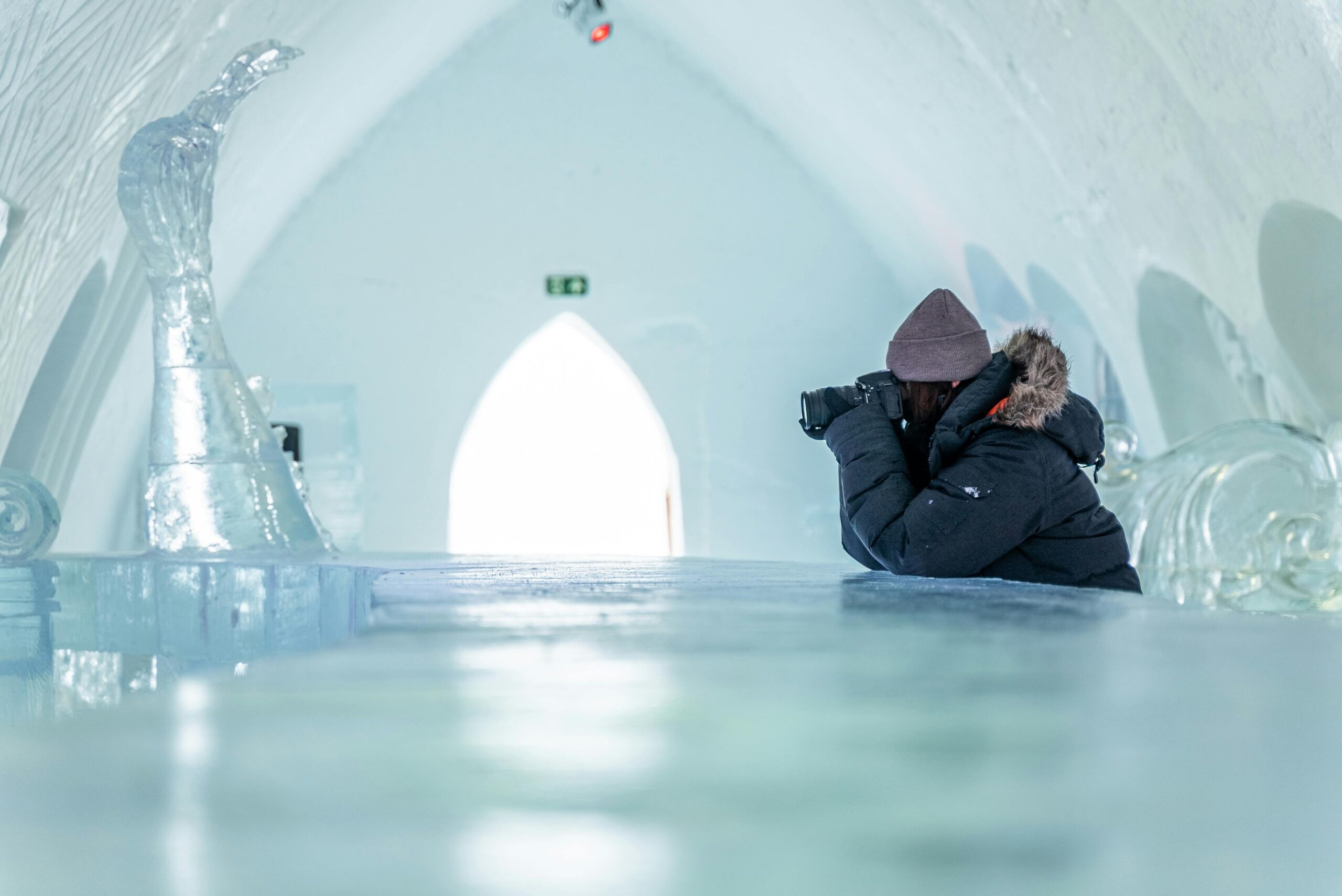
Surviving the Arctic demands more than courage—it requires precise knowledge of thermal safety principles that separate life-threatening exposure from controlled cold adaptation.

🧊 The Unforgiving Reality of Polar Temperature Extremes
Polar environments represent some of Earth’s most hostile territories, where temperatures routinely plunge below -40°C and windchill factors can push perceived temperatures to deadly extremes. Understanding thermal safety in these conditions isn’t merely academic—it’s a survival imperative that has saved countless lives and enabled human exploration of the planet’s most remote regions.
The Arctic and Antarctic regions challenge human physiology in ways that temperate climates never could. Heat loss occurs at exponentially faster rates, and the margin for error shrinks dramatically. Every decision regarding clothing, shelter, activity level, and energy intake becomes critical when your body constantly battles an environment designed to extract warmth from any living thing.
Modern polar expeditions, research stations, and indigenous communities have developed sophisticated approaches to thermal management. These strategies combine traditional wisdom passed down through generations with cutting-edge materials science and physiological research. Mastering these principles means understanding not just how to stay warm, but how the human body responds to extreme cold and what measures effectively counteract thermal stress.
Understanding Heat Loss Mechanisms in Frozen Landscapes
The human body loses heat through four primary mechanisms, each amplified dramatically in polar environments. Conduction transfers heat through direct contact with cold surfaces—sitting on ice or touching metal with bare skin. Convection occurs when moving air strips away the warm boundary layer surrounding your body, which is why wind transforms merely cold conditions into life-threatening ones.
Radiation involves the body emitting infrared energy into the environment, a continuous process that accelerates when surrounding surfaces are extremely cold. Evaporation might seem counterintuitive in frozen environments, but sweating during exertion followed by cooling creates one of the most dangerous scenarios in polar conditions. Wet clothing loses its insulating properties, and moisture against skin dramatically increases heat loss.
The windchill effect deserves special attention. A temperature of -20°C with 50 km/h winds creates the same thermal stress as -35°C in calm conditions. This phenomenon explains why proper windproof outer layers are non-negotiable in polar environments. The human body simply cannot generate heat fast enough to compensate for convective losses in windy Arctic conditions without proper protection.
❄️ The Layering System: Your Primary Defense Against Cold
Effective polar clothing systems rely on the three-layer principle: base layer, insulation layer, and shell layer. Each serves distinct functions, and understanding these roles prevents common mistakes that compromise thermal safety. The base layer manages moisture by wicking perspiration away from skin. Merino wool and synthetic materials excel here, while cotton becomes dangerous as it retains moisture.
The insulation layer traps air to create a thermal barrier. Down and synthetic insulation both work effectively, with trade-offs. Down provides superior warmth-to-weight ratio in dry conditions but loses effectiveness when wet. Synthetic insulation maintains thermal properties when damp and dries faster, making it preferable for high-exertion activities or wet snow conditions.
The outer shell protects against wind and precipitation while allowing moisture vapor to escape. Modern Gore-Tex and similar membranes balance waterproofing with breathability, though in extreme cold, simple windproof fabrics often suffice since precipitation becomes rare below -20°C. The key is preventing wind from penetrating to inner layers where it would strip away trapped warm air.
Extremity Protection Requires Specialized Attention
Fingers, toes, nose, and ears are particularly vulnerable to frostbite due to reduced circulation in cold conditions. The body prioritizes maintaining core temperature by constricting blood vessels in extremities, sacrificing peripheral tissue to protect vital organs. This survival mechanism means extremities need disproportionate protection.
Mittens provide superior warmth compared to gloves by allowing fingers to share heat. Vapor barrier liners in boots prevent moisture accumulation while maintaining insulation. Face masks or balaclavas protect facial tissue, and goggles prevent corneal freezing in extreme windchill. Many experienced polar travelers carry multiple spare gloves and socks, knowing that losing hand or foot protection can quickly lead to permanent injury.
Nutrition and Hydration: Fueling Your Internal Furnace 🔥
The human body burns significantly more calories maintaining core temperature in cold environments. Metabolic rates can increase by 20-40% in Arctic conditions, meaning adequate caloric intake becomes essential for thermal safety. Expedition diets typically include 4,500-6,000 calories daily, substantially more than temperate climate requirements.
Fat provides the most efficient fuel for cold-weather metabolism, delivering 9 calories per gram compared to 4 from carbohydrates or protein. Traditional Arctic diets relied heavily on seal blubber, whale fat, and fatty fish for good reason—these foods provide sustained energy for thermogenesis. Modern polar explorers incorporate butter, nuts, chocolate, and oils to achieve similar caloric density.
Dehydration presents a subtle but serious threat in polar environments. Cold air holds minimal moisture, and every breath expels water vapor. Additionally, the body’s thirst mechanism becomes less reliable in cold conditions. Many people don’t feel thirsty despite significant fluid loss through respiration and increased urination (cold diuresis). Maintaining hydration requires conscious effort, drinking water even without thirst signals.
Practical Approaches to Polar Nutrition
Frequent small meals maintain more stable energy levels than large infrequent ones. Eating stimulates thermogenesis—the thermic effect of food—which contributes to overall heat production. Snacking on high-fat foods like nuts or chocolate during exposure helps maintain core temperature. Hot beverages provide psychological comfort and contribute fluid intake, though their thermal contribution is modest compared to metabolic heat generation.
Preventing food from freezing requires planning. Chocolate bars become rock-hard and teeth-breaking at -30°C. Carrying snacks inside clothing layers keeps them accessible and edible. Thermos containers with hot soups or stews provide both nutrition and warmth during breaks. Expedition planners calculate daily requirements meticulously, knowing that running short on calories compromises both performance and thermal safety.
Shelter Design and Thermal Management Strategies
Proper shelter transforms survival odds in polar environments. Even simple snow shelters like quinzhees or igloos can maintain interior temperatures 20-30°C warmer than outside when properly constructed. Snow is an excellent insulator, with air pockets between crystals creating thermal resistance. A well-built snow cave protects against wind while trapping heat from occupants and heating sources.
Modern polar tents use specialized designs with reduced surface area to minimize heat loss. Geodesic dome structures resist high winds while maintaining structural integrity. Multiple-wall construction with air gaps provides insulation. Vestibules create buffer zones that prevent direct wind entry while providing equipment storage. Careful site selection—avoiding exposed ridges and seeking wind shadows—dramatically improves shelter effectiveness.
Interior heat management requires balancing warmth with moisture control. Cooking, breathing, and body heat generate water vapor that condenses on cold surfaces, creating frost buildup. Adequate ventilation prevents dangerous carbon monoxide accumulation from stoves while managing humidity. Many experienced polar campers tolerate cooler interior temperatures to minimize condensation rather than creating warm, moisture-saturated environments that soak sleeping bags and clothing.
🌡️ Recognizing and Responding to Cold Injuries
Hypothermia develops when core body temperature drops below 35°C. Early symptoms include shivering, confusion, slurred speech, and loss of coordination. As core temperature continues dropping, shivering stops, consciousness fades, and without intervention, death follows. Prevention through proper clothing, nutrition, and activity management is far superior to treatment, since rewarming hypothermic victims in field conditions presents significant challenges.
Frostbite occurs when tissue actually freezes, typically affecting fingers, toes, nose, and ears. Initial symptoms include numbness and pale, hard skin. Deep frostbite damages underlying tissue and can result in permanent injury or amputation. The greatest danger comes during rewarming—refreezing previously frozen tissue causes severe additional damage. Field treatment focuses on preventing further heat loss and evacuating to medical facilities rather than attempting rewarming in the field unless you’re certain refreezing won’t occur.
The Subtle Danger of Cold Water Immersion
Breaking through ice into water creates an immediate life-threatening emergency. Water conducts heat 25 times faster than air, and immersion in near-freezing water can cause death within minutes. The cold shock response triggers gasping and hyperventilation, potentially causing drowning. Survivors face a race against time to exit water and remove wet clothing before hypothermia becomes irreversible.
Ice safety protocols include testing thickness (minimum 10cm for walking), avoiding areas with current, carrying ice picks for self-rescue, and never traveling alone. Wearing flotation and carrying spare dry clothing in waterproof containers provides backup options. Some polar travelers wear immersion suits when crossing questionable ice, accepting bulk and inconvenience for substantially improved survival odds if breakthrough occurs.
Activity Level Management and Thermal Balance
Maintaining thermal equilibrium requires balancing heat production against heat loss. Too little activity and you cool down; excessive exertion causes sweating that later creates dangerous chilling. Experienced polar travelers adjust pace, remove layers before sweating starts, and add insulation during rest stops. This constant micromanagement of clothing and activity becomes second nature with experience.
The concept of staying “comfortably cool” during activity prevents moisture accumulation. You should feel slightly chilled when beginning physical work, warming up as activity continues. Stopping to adjust clothing before sweating soaks base layers maintains the dry microenvironment essential for insulation effectiveness. This discipline feels counterintuitive initially but becomes critical for multi-day polar expeditions.
Pacing strategies account for environmental conditions and terrain. Pushing hard in extreme cold accelerates dehydration and increases sweating despite low ambient temperatures. Conservative pacing maintains sustainable body temperatures and preserves energy reserves for unexpected challenges. Building in frequent short breaks allows thermal assessment and adjustment without allowing core temperature to drop significantly.
🧭 Technology and Tools for Thermal Safety
Modern technology enhances polar safety significantly. Satellite communication devices enable emergency contact regardless of location. GPS units prevent navigation errors that could extend exposure time. Weather forecasting apps provide advance warning of dangerous conditions, though internet connectivity remains limited in remote polar regions.
Thermal imaging cameras help identify heat loss points in shelters and clothing systems. Personal locator beacons (PLBs) summon rescue services when situations become desperate. Solar chargers maintain electronic devices despite limited daylight. However, all electronics face challenges in extreme cold—batteries drain faster, LCD screens freeze, and mechanical components become brittle. Backup manual navigation tools and communication plans remain essential.
Chemical hand and toe warmers provide temporary supplemental heat for extremities. Insulated water bottle covers and tube insulators for hydration systems prevent freezing. Vapor barrier liners in sleeping bags and boots trap moisture but maintain insulation effectiveness. Each technological advancement improves safety margins, though none eliminate the need for fundamental thermal safety knowledge.
Cultural Wisdom: Learning from Indigenous Arctic Peoples
Indigenous Arctic communities have survived polar conditions for millennia, developing sophisticated approaches to thermal safety. Traditional clothing designs using caribou and seal skins provide remarkable insulation while remaining flexible and breathable. The loose-fitting design allows air circulation that manages moisture while multiple layers trap heat efficiently.
Traditional knowledge emphasizes reading weather signs, understanding ice conditions, and recognizing terrain features that indicate safety or danger. Building techniques for snow shelters developed through generations of experience often surpass modern approaches in efficiency and effectiveness. Hunting and traveling strategies account for thermal limitations, incorporating rest periods and warming breaks as standard practice rather than emergency measures.
Food preservation techniques and dietary practices reflect deep understanding of nutritional requirements in cold environments. The practice of eating raw or frozen meat provides hydration along with nutrition. Fermented foods offer variety and prevent scurvy during winter months. These time-tested approaches offer valuable lessons for modern polar travelers willing to learn from traditional expertise.
🏔️ Planning and Preparation: The Foundation of Safety
Successful polar expeditions begin long before departure with meticulous planning. Physical conditioning builds cold tolerance and cardiovascular capacity needed for sustained exertion. Skills training in controlled environments allows practice with equipment and techniques before facing actual Arctic conditions. Mental preparation addresses the psychological challenges of isolation, monotony, and sustained cold stress.
Equipment selection requires research and often significant investment. Field testing gear in cold conditions reveals weaknesses before they become critical. Building redundancy into systems—spare gloves, backup stoves, additional fuel—provides safety margins when primary systems fail. Creating detailed packing lists prevents forgotten items that could compromise safety.
Route planning accounts for bailout options and emergency shelter locations. Understanding weather patterns and seasonal variations helps identify optimal timing. Filing detailed trip plans with reliable contacts establishes rescue protocols if teams fail to return on schedule. This preparation work feels tedious but dramatically improves outcomes when conditions deteriorate unexpectedly.
Embracing the Cold: Adaptation and Acclimatization
The human body can adapt to cold exposure through gradual acclimatization. Metabolic changes increase heat production efficiency, while circulation patterns adjust to maintain extremity function longer. Psychological adaptation reduces the stress response to cold, improving decision-making and comfort. This adaptation requires time—typically 2-3 weeks of consistent cold exposure—and provides genuine physiological benefits.
Cold showers, outdoor winter activities, and gradual exposure to decreasing temperatures build tolerance before major expeditions. However, adaptation has limits. No amount of acclimatization eliminates the need for proper clothing and thermal management in true polar conditions. The goal is building resilience and comfort operating in cold environments, not eliminating protective measures.
Veterans of polar environments develop intuitive awareness of thermal status, recognizing subtle signs of excessive heat loss or inadequate protection. This embodied knowledge comes only through experience and attention. Keeping detailed journals documenting conditions, clothing systems, and comfort levels accelerates learning and builds personal databases of effective strategies for specific situations.
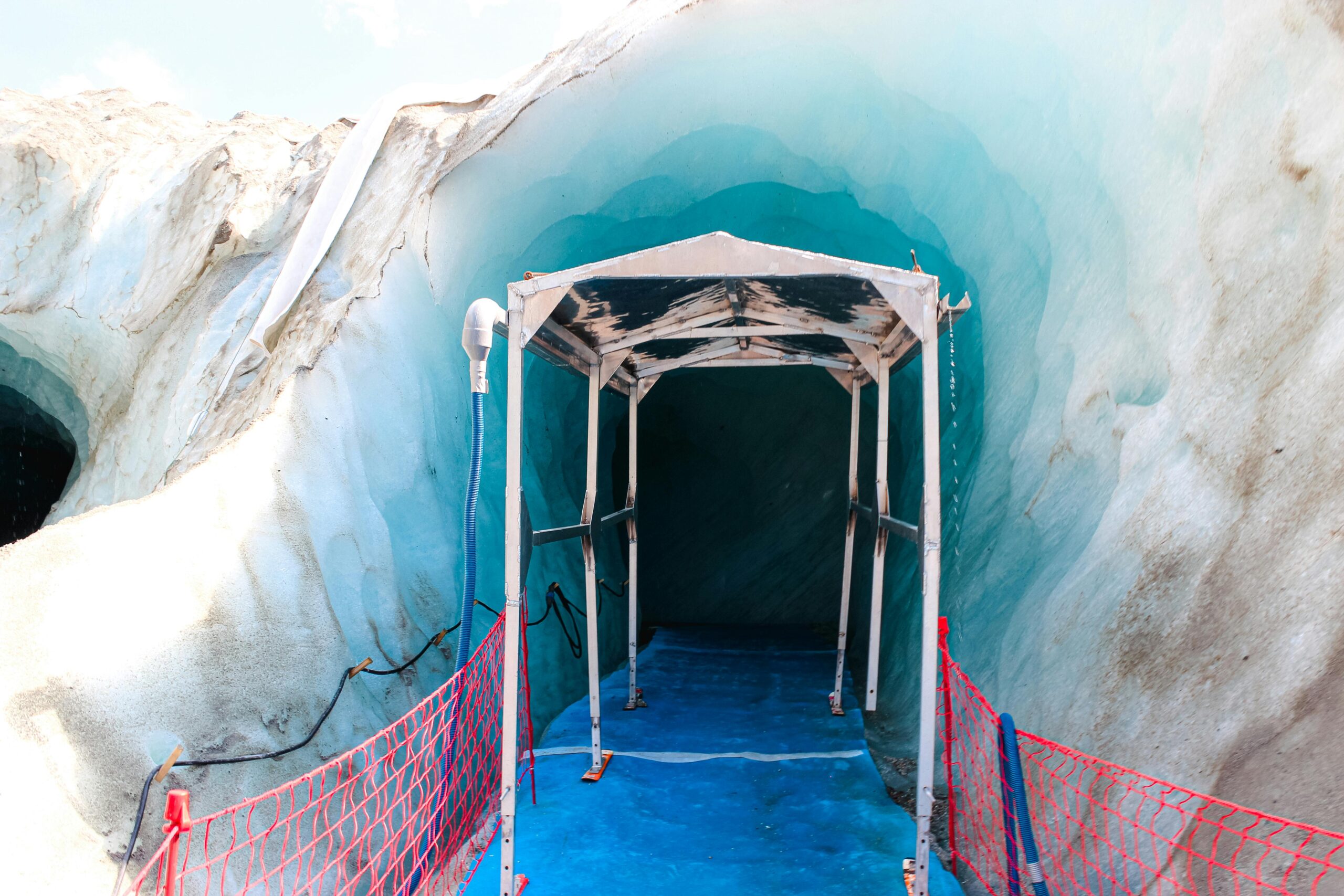
⚠️ When Thermal Safety Plans Fail: Emergency Protocols
Despite excellent preparation, emergencies occur. Equipment fails, weather changes unexpectedly, or injuries compromise mobility. Having pre-planned emergency protocols prevents panic and improves outcomes. Immediate priorities include stopping further heat loss, finding or creating shelter, and establishing whether self-rescue or external assistance is required.
Emergency shelter can be improvised from available materials. Snow trenches require only a shovel and can be constructed in 30 minutes. Bivy sacks combined with insulated sleeping pads provide minimal but potentially life-saving protection. Emergency fire-starting materials—waterproof matches, lighters, fire starter—should be distributed among team members and readily accessible, not buried in pack bottoms.
Communication protocols determine when and how to call for help. Satellite messengers allow two-way communication and GPS location transmission. Emergency beacons summon rescue services but provide no communication capability. Understanding rescue response times and capabilities in your operating area informs decisions about when to activate emergency systems versus attempting self-rescue.
The Arctic demands respect, preparation, and constant vigilance. Thermal safety principles provide the foundation for successful cold-environment operations, whether scientific research, adventure travel, or daily life in polar communities. Mastering these concepts transforms hostile frozen landscapes into manageable environments where humans can work, explore, and even thrive. The cold remains dangerous, but knowledge converts that danger into calculated risk—the difference between tragedy and triumph in Earth’s most extreme environments.