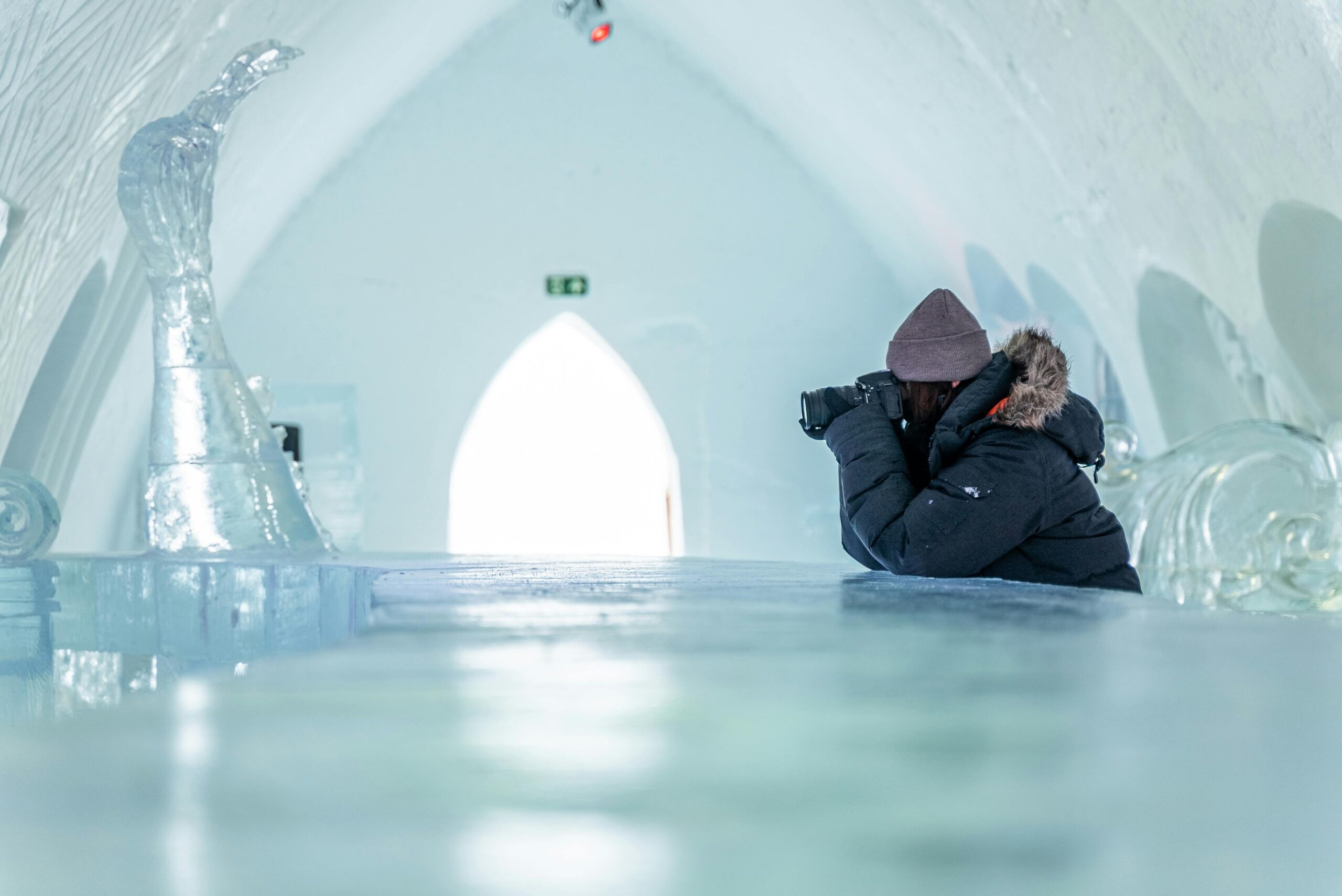
Training for extreme cold weather survival demands more than courage—it requires methodical preparation, tested drills, and unwavering mental fortitude to face nature’s harshest conditions.

🥶 Understanding the Arctic Challenge: Why Specialized Training Matters
The Arctic environment presents a unique combination of threats that can overwhelm even experienced outdoor enthusiasts. Temperatures plummeting below -40°F, unpredictable blizzards, rapidly changing ice conditions, and the psychological strain of prolonged darkness create a survival scenario unlike any other. Standard survival training simply doesn’t cut it when you’re facing these extreme conditions.
Arctic warriors—whether military personnel, scientists, indigenous hunters, or extreme adventurers—recognize that survival in sub-zero environments isn’t about luck. It’s about systematic preparation through realistic training drills that simulate the actual challenges you’ll face. These drills build muscle memory, test equipment reliability, and develop the mental resilience necessary to make critical decisions when hypothermia threatens your cognitive function.
The difference between theoretical knowledge and practical skill becomes painfully obvious when your fingers are numb, your shelter has collapsed in 50-knot winds, and darkness is approaching. This is why effective training drills must replicate authentic Arctic stressors while maintaining manageable safety margins during the learning process.
❄️ Core Competencies: What Every Arctic Warrior Must Master
Before designing specific training drills, it’s essential to identify the foundational skills that distinguish those who thrive in extreme cold from those who merely survive—or worse, perish. These competencies form the curriculum foundation for any comprehensive cold weather training program.
Thermal Regulation and Layering Systems
Understanding how to manage your body’s heat production and loss is fundamental. This goes far beyond simply wearing warm clothing. Arctic warriors must master the art of dynamic layering—adding and removing insulation layers before overheating or cooling occurs. Sweat in extreme cold is a death sentence, as moisture destroys insulation value and accelerates heat loss through evaporation and conduction.
Training drills should include timed layering exercises where participants must adjust their clothing systems while wearing gloves, in windy conditions, and during physically demanding tasks. This replicates the reality that you’ll rarely have ideal conditions for equipment adjustments.
Shelter Construction Under Pressure
Your ability to create effective shelter can mean the difference between life and death in Arctic conditions. Whether constructing snow caves, quinzhees, igloos, or emergency debris shelters, speed and structural integrity both matter. A shelter that takes six hours to build does you no good if you have ninety minutes before darkness and temperature drop combine to create a survival crisis.
Effective shelters must provide wind protection, insulation from ground cold, ventilation to prevent carbon dioxide buildup, and enough space for occupants without being so large that body heat cannot warm the interior. These competing requirements demand hands-on practice under increasingly challenging conditions.
Fire Craft in Hostile Conditions
Starting and maintaining fire when everything is frozen, wet, or covered in snow requires specialized techniques. Your ability to identify suitable tinder and fuel sources, prepare materials with numb hands, protect flames from wind, and maintain combustion in adverse conditions directly impacts survival odds.
Training must address the harsh reality that lighters fail in extreme cold, matches blow out in wind, and most natural tinder is frozen solid. Arctic warriors develop multiple redundant fire-starting methods and practice them under progressively more challenging scenarios.
🏔️ Progressive Training Methodology: Building Skills Systematically
Effective Arctic training follows a progression from controlled environments to increasingly realistic conditions. This staged approach allows skill development while managing risk appropriately. Throwing novices directly into extreme conditions doesn’t build competence—it creates casualties.
Phase One: Controlled Environment Familiarization
Initial training occurs in relatively benign conditions where temperatures are cold but not life-threatening (20-35°F). This phase focuses on fundamental skills without the added complexity of genuine survival stress. Participants learn proper techniques for shelter construction, fire starting, equipment use, and navigation fundamentals.
During this phase, instructors can provide detailed feedback, demonstrations can be clearly observed, and participants can repeat exercises until basic competency develops. The goal is building correct technique and basic confidence before environmental stressors multiply difficulty exponentially.
Phase Two: Increased Environmental Stressors
Once foundational skills are established, training moves to more challenging conditions. Temperatures drop to 0-20°F, wind becomes a factor, and time constraints are introduced. Participants must now execute previously learned skills under pressure, with reduced manual dexterity, and potentially degraded equipment performance.
This phase reveals which techniques transfer effectively from controlled to field conditions and which require modification. It also exposes equipment failures before they become life-threatening—better to discover your sleeping bag’s temperature rating is optimistic during a training exercise than during an actual emergency.
Phase Three: Realistic Scenario-Based Training
Advanced training incorporates full-scenario exercises that simulate actual Arctic emergencies. These might include equipment failure scenarios, navigation challenges in whiteout conditions, medical emergencies requiring treatment in extreme cold, or multi-day expeditions carrying realistic loads over difficult terrain.
Scenario-based training develops decision-making skills under stress, tests the integration of multiple competencies simultaneously, and builds the psychological resilience necessary for Arctic operations. Participants experience the cumulative fatigue, discomfort, and mental fog that accompanies genuine cold weather challenges.
🎯 Essential Training Drills: Practical Exercises for Skill Development
The following drills represent core exercises that should feature prominently in any comprehensive Arctic training program. Each drill targets specific competencies while building the muscle memory and confidence needed for real-world application.
The Fifteen-Minute Shelter Drill
Participants are given fifteen minutes to construct emergency shelter using only materials within a designated area. This compressed timeline simulates scenarios where rapidly deteriorating weather or approaching darkness requires immediate action. The drill teaches quick assessment of available resources, prioritization of essential shelter features, and rapid execution under time pressure.
Variations include constructing shelter while wearing full gloves, during simulated whiteout conditions (wearing ski goggles with obscured vision), or after physical exhaustion from other activities. Post-drill assessment involves instructors testing structural integrity and evaluating whether the shelter would realistically provide sufficient protection.
Gloved Fire-Starting Challenge
This drill prohibits removing gloves during the fire-starting process, simulating conditions where exposed hands would quickly develop frostbite. Participants must successfully start fire and achieve sustainable combustion using only tools and materials they can manipulate with gloved hands.
The exercise forces creative problem-solving and reveals which fire-starting methods remain viable when manual dexterity is compromised. It also emphasizes the importance of equipment accessibility—a fire-starter buried deep in your pack does no good when you cannot manipulate zippers with gloved hands.
Navigation Under Whiteout Simulation
Using specially designed goggles or conducting exercises during actual poor visibility conditions, participants must navigate designated courses using compass, GPS, and dead reckoning techniques. The drill emphasizes the reality that visual landmarks disappear in blowing snow and that maintaining accurate directional awareness requires constant attention and systematic technique.
Advanced versions include navigation while performing other tasks, navigation in teams where communication is difficult due to wind noise and face coverings, and navigation while towing sleds or carrying heavy packs that affect balance and mobility.
Cold Water Immersion Recovery
Under strict safety supervision with warming facilities immediately available, participants experience brief controlled immersion in near-freezing water, then must perform prescribed recovery procedures. This drill viscerally demonstrates how quickly cold water incapacitates, how gasping reflexes impair breathing, and how fine motor control disappears within seconds.
The recovery phase teaches proper rewarming techniques, reinforces the importance of dry clothing layers, and provides memorable motivation for avoiding real-world water immersion. Participants also practice helping hypothermic partners, learning appropriate handling techniques and rewarming protocols.
Equipment Failure Scenario
During multi-hour or overnight exercises, instructors secretly sabotage specific equipment pieces—creating tent zipper failures, “losing” fuel canisters, or rendering primary navigation tools unusable. Participants must recognize the failure, adapt their plans, and continue the exercise using backup systems and improvised solutions.
This drill reinforces the critical importance of redundancy in Arctic operations and develops troubleshooting skills under stress. It also reveals whether participants actually carry backup equipment or merely list it on packing checklists without including it in their kits.
💪 Mental Conditioning: Training the Mind for Extreme Environments
Physical skills alone don’t create Arctic warriors. Mental conditioning separates those who maintain effectiveness in extreme conditions from those who deteriorate when discomfort becomes acute. Psychological preparation deserves equal emphasis with technical skill development.
Discomfort Normalization
Training should progressively expose participants to increasing levels of discomfort, allowing them to discover that being cold, tired, and uncomfortable doesn’t automatically constitute an emergency. Many people panic when they first experience genuine cold stress because they’ve never previously pushed beyond mild discomfort.
Controlled exposure during training—being cold but safe—teaches that the body can endure significant stress while remaining functional. This experience builds confidence and reduces panic responses during actual emergencies when clear thinking is most critical.
Decision-Making Under Cognitive Impairment
Hypothermia and extreme fatigue degrade cognitive function progressively. Training should include decision-making exercises conducted after physical exhaustion, during cold stress, or while sleep-deprived. These exercises reveal how judgment deteriorates under Arctic conditions and help participants recognize warning signs in themselves and teammates.
Practicing systematic decision-making frameworks—using checklists, buddy checks, and formal decision processes—creates habits that persist even when mental acuity declines. These structured approaches compensate for cognitive impairment that inevitably accompanies genuine Arctic operations.
📱 Technology Integration: Modern Tools for Arctic Warriors
While traditional skills remain foundational, modern technology offers significant advantages for Arctic operations when used appropriately. Training should address both effective technology utilization and backup plans for when electronics fail in extreme cold.
GPS devices, satellite communicators, weather apps, and digital mapping tools enhance navigation, communication, and situational awareness. However, batteries drain rapidly in cold temperatures, screens become difficult to read in bright snow conditions, and touchscreens often require glove removal to operate effectively.
Training drills should incorporate realistic technology use while emphasizing non-electronic backup skills. Participants should practice navigation using both GPS and traditional compass techniques, communication using both satellite devices and signaling methods, and weather forecasting using both apps and direct observation of environmental indicators.
🎖️ Team Dynamics: Training for Group Arctic Operations
While solo survival skills are valuable, most Arctic operations involve teams. Group dynamics become especially important when stress is high, communication is difficult, and individual mistakes can endanger everyone. Training should specifically address teamwork competencies unique to extreme cold environments.
Communication in Arctic Conditions
Wind noise, face coverings, hoods, and distance make normal conversation impossible in many Arctic scenarios. Teams must develop hand signals, establish communication protocols before conditions deteriorate, and practice conveying critical information through limited channels.
Training exercises should include scenarios where verbal communication is artificially restricted, forcing teams to use alternative methods. This reveals communication breakdowns before they occur during actual operations when stakes are higher.
Buddy System and Mutual Monitoring
Hypothermia victims often lack awareness of their deteriorating condition. Team members must monitor each other for warning signs like confusion, loss of coordination, or inappropriate behavior. Training should include recognition drills where participants must identify simulated hypothermia symptoms in teammates and initiate appropriate responses.
Regular buddy checks—systematic partner assessments of warmth, hydration, and mental state—should become habitual through repetition during training. These checks catch problems early when intervention is straightforward rather than after emergencies develop.
⚡ Medical Considerations: Health Challenges in Extreme Cold
Arctic environments present unique medical challenges that require specialized knowledge. Training programs should include education and practical exercises addressing cold-specific injuries and illnesses.
Frostbite Recognition and Field Treatment
Frostbite can develop within minutes during extreme cold exposure, especially in wind. Training should teach early recognition of frostnip (the precursor to frostbite), proper rewarming techniques, and critical don’ts—such as rubbing frozen tissue or applying direct heat.
Practical exercises might include monitoring extremities during cold exposure, practicing rewarming protocols on training partners, and packaging injured areas for transport. Understanding that frostbite often occurs without pain until rewarming begins helps participants maintain vigilance even when they feel “fine.”
Hypothermia Stages and Treatment Protocols
Training must cover the progressive stages of hypothermia, appropriate treatment for each stage, and dangerous mistakes that worsen outcomes. Participants should understand that aggressive rewarming of severe hypothermia can cause cardiac arrest, that hypothermia victims require gentle handling, and that prevention is vastly easier than treatment.
Scenario drills might involve treating simulated hypothermia patients using available resources, practicing insulated evacuation carries, and making realistic decisions about when field treatment is adequate versus when evacuation is necessary.
🔥 Putting It All Together: Capstone Training Exercises
Comprehensive training culminates in extended exercises that integrate all learned skills into realistic scenarios. These capstone events test whether participants can maintain performance when multiple stressors operate simultaneously over extended periods.
Multi-day expeditions carrying realistic loads over difficult terrain, establishing and breaking camp repeatedly, navigating in various conditions, and managing equipment all while maintaining adequate nutrition, hydration, and warmth provide the ultimate skill verification. Adding unexpected challenges—weather changes, equipment failures, medical scenarios, or navigation obstacles—tests adaptability and decision-making under authentic stress.
These culminating exercises reveal whether training has been effective, identify areas requiring additional practice, and build justified confidence based on demonstrated performance rather than theoretical knowledge. Participants who successfully complete comprehensive capstone exercises have earned their status as Arctic warriors.
🌨️ Beyond Basic Survival: Excellence in Arctic Operations
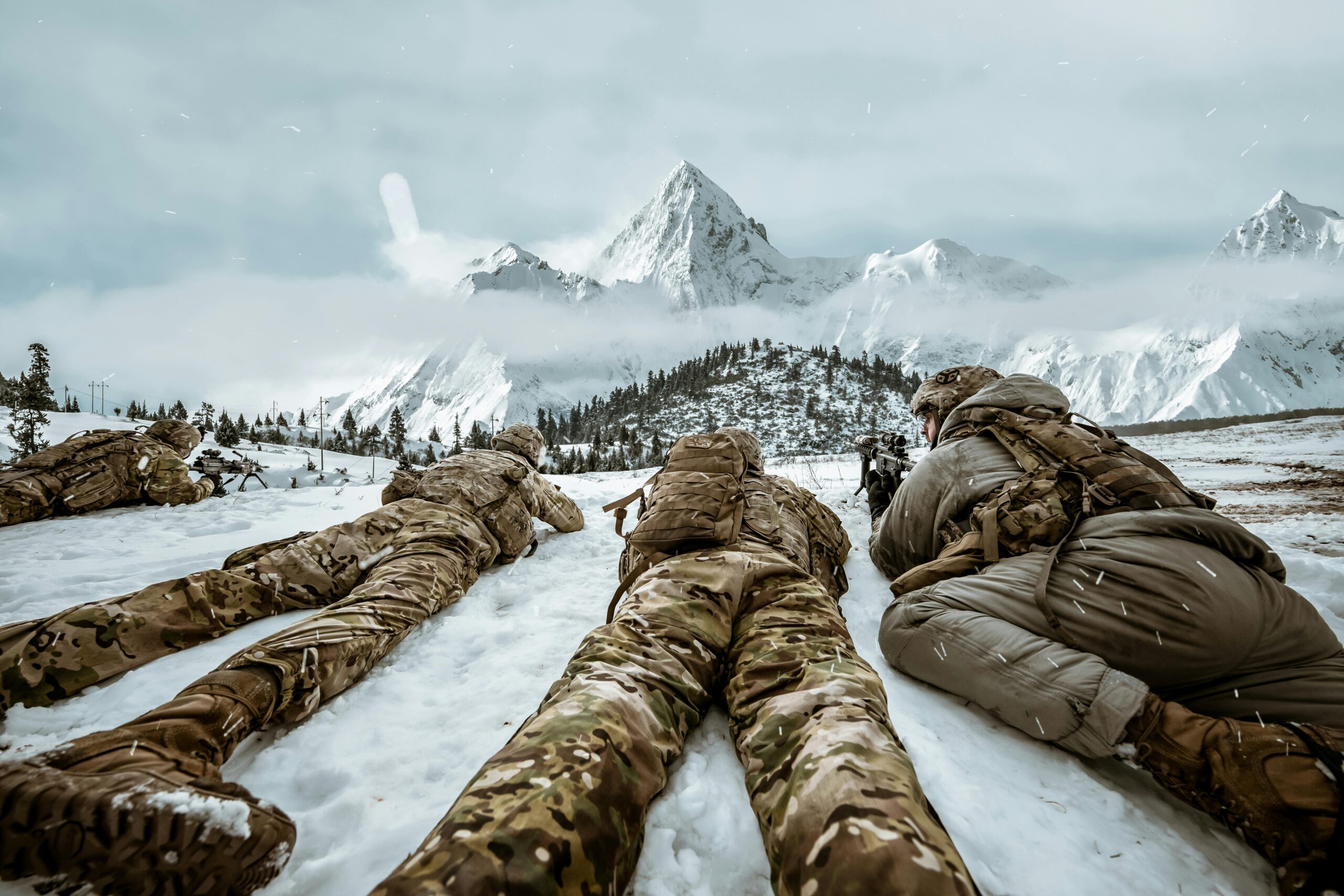
True Arctic warriors don’t merely survive extreme conditions—they operate effectively within them. Advanced training moves beyond emergency survival toward maintaining mission capability, comfort, and even enjoyment during extended Arctic operations.
This advanced competency includes optimizing nutrition for cold weather caloric demands, maintaining equipment in top condition despite harsh environments, developing efficient movement techniques that minimize energy expenditure, and creating comfortable camps that support rest and recovery rather than merely preventing death.
The mindset shift from “surviving” to “operating effectively” transforms the Arctic from a hostile enemy to a challenging but manageable environment. This psychological transition represents the true graduation to Arctic warrior status.
🏆 Continuous Improvement: Training as Ongoing Practice
Arctic skills deteriorate without regular practice. Even experienced practitioners benefit from periodic refresher training, exposure to new techniques, and challenging themselves with progressively more difficult scenarios. The Arctic environment constantly teaches new lessons to those who pay attention.
After-action reviews following both training exercises and actual Arctic operations identify what worked well, what failed, and what requires adjustment. This continuous improvement cycle ensures that training evolves based on real-world feedback and emerging best practices.
Maintaining currency through seasonal training, learning from near-misses and actual incidents, and challenging yourself with new scenarios all contribute to long-term competence. Arctic warriors understand that their education never truly completes—it simply progresses to more advanced levels.
The path to becoming an effective Arctic warrior requires dedication, systematic training, and willingness to push beyond comfort zones under controlled conditions. By crafting and executing comprehensive training drills that progressively build competence while managing risk appropriately, you develop the skills, knowledge, and mental fortitude necessary to face extreme cold with confidence. Whether your Arctic operations involve military missions, scientific research, wilderness recreation, or emergency preparedness, investing in realistic training creates the foundation for not just surviving but thriving in one of Earth’s most challenging environments.