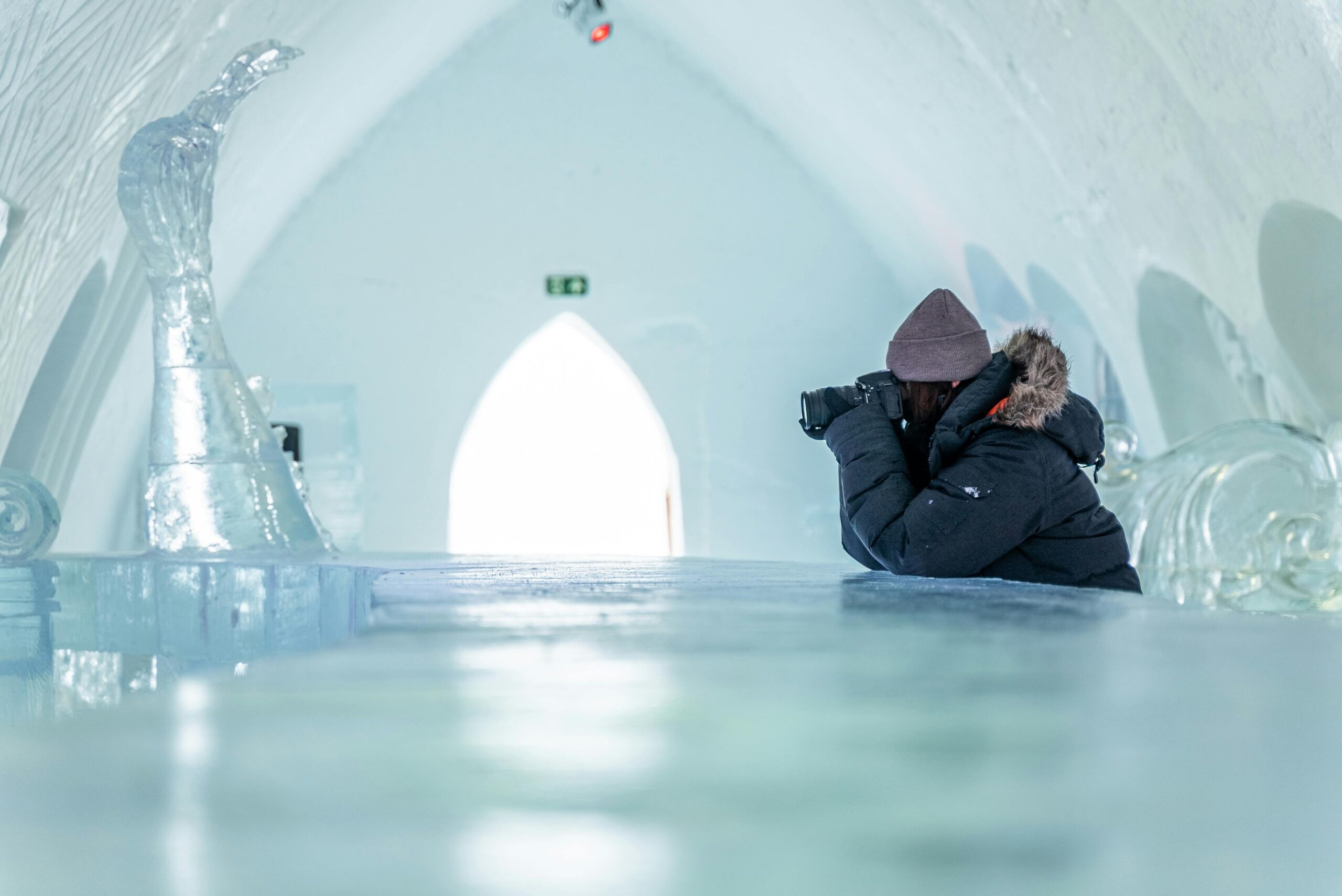
Winter weather demands respect and preparation. Understanding how to protect yourself from extreme cold can mean the difference between a safe outdoor experience and a life-threatening emergency.

❄️ Understanding the Cold Weather Threats
Cold weather poses two primary dangers to the human body: frostbite and hypothermia. While both conditions result from exposure to freezing temperatures, they affect the body differently and require distinct prevention strategies. Frostbite occurs when skin and underlying tissues freeze, typically affecting extremities like fingers, toes, ears, and nose. Hypothermia, on the other hand, happens when your body loses heat faster than it can produce it, causing your core temperature to drop to dangerous levels.
The risk of developing these conditions increases dramatically when temperatures drop below freezing, especially when combined with wind chill, moisture, and prolonged exposure. Understanding these threats is the first step toward staying safe during winter months.
🌡️ Recognizing the Warning Signs Before It’s Too Late
Early detection of frostbite and hypothermia symptoms can prevent serious complications. Your body provides clear signals when it’s struggling with extreme cold, and recognizing these signs quickly is crucial for your safety.
Frostbite Indicators You Cannot Ignore
Frostbite develops in stages, and the earlier you recognize it, the better your chances of preventing permanent damage. Initial symptoms include numbness, tingling sensations, and skin that appears unusually pale or waxy. As frostbite progresses, affected areas may feel hard to the touch and lose all sensation. The skin might turn white, grayish-yellow, or even blue.
Superficial frostbite causes skin reddening and pain, followed by numbness. You might notice ice crystals forming on your skin’s surface. Deep frostbite affects muscles, tendons, and bones beneath the skin, causing complete numbness and potentially resulting in blisters filled with blood after rewarming.
Hypothermia Symptoms That Demand Immediate Action
Hypothermia symptoms vary depending on severity. Mild hypothermia presents with intense shivering, confusion, memory loss, drowsiness, and slurred speech. Your coordination may deteriorate, making simple tasks difficult. Moderate to severe hypothermia eliminates shivering entirely—a dangerous sign that your body can no longer generate heat effectively.
Advanced hypothermia symptoms include weak pulse, shallow breathing, loss of consciousness, and dilated pupils. The affected person may appear clumsy, show poor judgment, and paradoxically begin removing clothing despite the cold—a phenomenon known as paradoxical undressing.
🧥 The Science of Proper Cold-Weather Layering
Proper clothing represents your first and most important defense against cold weather injuries. The key lies not in wearing the thickest jacket you own, but in understanding how to layer effectively to trap warmth while managing moisture.
Base Layer: Your Foundation for Warmth
Your base layer sits directly against your skin and should be made from moisture-wicking materials like merino wool or synthetic fabrics. Never wear cotton as a base layer—it absorbs moisture and loses all insulating properties when wet, dramatically increasing your risk of hypothermia. This layer should fit snugly without restricting movement or circulation.
Middle Layer: Trapping Essential Heat
The insulating middle layer traps warm air close to your body. Fleece, down, or synthetic insulation works excellently for this purpose. This layer should be slightly looser than your base layer to create air pockets that enhance insulation. Consider the activity level—high-exertion activities require less insulation than stationary ones.
Outer Layer: Your Shield Against Elements
Your outer shell protects you from wind, rain, and snow while allowing moisture to escape. Look for waterproof, breathable materials with sealed seams. This layer should accommodate your other layers comfortably while providing coverage that extends beyond your other garments to prevent gaps where cold can penetrate.
🧤 Protecting Your Extremities: Where Frostbite Strikes First
Your hands, feet, ears, and nose are particularly vulnerable to frostbite because they’re farthest from your core and receive less blood flow in cold conditions. Protecting these areas requires special attention and proper equipment.
Wear insulated, waterproof gloves or mittens—mittens keep fingers warmer because they allow fingers to share warmth. Consider layering thin glove liners under heavier mittens for maximum protection and flexibility. Your feet need thick, moisture-wicking socks and insulated, waterproof boots with enough room to wiggle your toes. Tight footwear restricts circulation and increases frostbite risk.
Protect your head and face with insulated hats that cover your ears, and use scarves, balaclavas, or face masks to shield exposed skin. Remember that up to 40% of body heat can be lost through your head and neck in cold conditions.
💧 Hydration and Nutrition: Your Internal Heating System
Many people don’t realize that staying hydrated and properly fueled is just as important in cold weather as in hot conditions. Your body works harder to maintain temperature in the cold, burning more calories and losing moisture through respiration in dry, cold air.
The Cold Weather Hydration Strategy
Dehydration in winter happens subtly because you feel less thirsty and may not notice how much moisture you’re losing through breathing. Drink water regularly, even when you don’t feel thirsty. Warm beverages provide both hydration and a psychological boost, but avoid alcohol—it dilates blood vessels, increasing heat loss and creating a false sense of warmth while actually lowering your core temperature.
Fueling Your Body’s Furnace
Your body needs adequate calories to generate heat effectively. Eat regular meals and high-energy snacks throughout cold exposure. Focus on foods rich in complex carbohydrates and healthy fats, which provide sustained energy. Pack extra food for outdoor activities—energy bars, nuts, dried fruits, and chocolate offer excellent cold-weather nutrition.
⏰ Time Management and Activity Planning
Smart planning significantly reduces cold-weather risks. Never underestimate how quickly conditions can deteriorate or how rapidly your body can lose heat in extreme cold.
Check weather forecasts before heading out, paying special attention to wind chill values. Wind dramatically increases heat loss from your body—a principle known as convective heat loss. Plan your activities during the warmest part of the day when possible, and always inform someone of your plans, route, and expected return time.
Take frequent breaks in warm environments during extended cold exposure. If you’re working or exercising outdoors, schedule regular warming breaks every 30-45 minutes. Watch for signs of cold stress in yourself and companions, and don’t let pride or deadlines override safety concerns.
🏠 Creating Safe Environments in Emergency Situations
Sometimes cold emergencies occur despite best efforts. Knowing how to create or find shelter and warmth can be lifesaving when you’re caught in unexpected cold conditions.
If stranded outdoors, seek or create shelter immediately to block wind and precipitation. Natural features like rock overhangs, dense evergreen trees, or caves provide emergency protection. You can also dig a snow shelter or build a windbreak from available materials. Stay dry at all costs—wet clothing loses most of its insulating value.
If someone shows signs of hypothermia, move them to a warm, dry location immediately. Remove any wet clothing and replace with dry layers or wrap the person in blankets. Focus warming efforts on the core—chest, neck, head, and groin. Never apply direct heat to extremities first, as this can cause shock by driving cold blood back to the heart.
📱 Technology Tools for Cold Weather Safety
Modern technology offers valuable tools for monitoring conditions and staying safe in cold weather. Weather apps provide detailed forecasts including crucial wind chill information. GPS devices and smartphone apps help you navigate and allow emergency services to locate you if needed.
Keep your devices warm—batteries drain rapidly in cold temperatures. Store phones and electronics close to your body, and consider carrying backup power banks in insulated pockets. Some apps specifically track outdoor activities and can alert emergency contacts if you don’t check in as planned.
🚨 When to Seek Medical Attention
Understanding when cold injuries require professional medical care is crucial. Seek immediate emergency help for severe hypothermia symptoms including loss of consciousness, confusion, slurred speech, or if the person stops shivering despite being cold.
Frostbite requires medical evaluation, especially if you suspect deep tissue involvement. Warning signs include blistering, skin that remains numb after rewarming, or skin that turns gray or black. Never attempt to rewarm frostbitten tissue if there’s any risk of refreezing—this causes severe additional damage.
Even seemingly minor cold injuries can have delayed complications. If you experience persistent numbness, tingling, or pain after cold exposure, consult a healthcare provider. Early intervention prevents long-term damage and complications.
🎯 Special Considerations for High-Risk Groups
Certain individuals face elevated risks in cold weather and need extra precautions. Older adults often have reduced ability to sense cold and may have medical conditions or medications that interfere with temperature regulation. Young children lose heat more rapidly due to their larger surface-area-to-body-mass ratio and may not communicate discomfort effectively.
People with cardiovascular disease face increased strain in cold weather as blood vessels constrict. Those with diabetes may have reduced sensation in extremities, delaying recognition of frostbite. Individuals taking certain medications, including beta-blockers, sedatives, or antipsychotics, may have impaired temperature regulation.
If you fall into any high-risk category, take extra precautions, limit exposure time, and consider avoiding outdoor activities during extreme cold conditions.
🏔️ Workplace and Recreational Safety Protocols
Whether you work outdoors or enjoy winter sports, specific protocols help maintain safety during cold exposure. Employers should provide adequate breaks in heated areas, supply appropriate protective equipment, and train workers to recognize cold stress symptoms.
For winter sports enthusiasts, never venture out alone in extreme conditions. Use the buddy system to monitor each other for signs of cold injury. Carry emergency supplies including extra clothing, fire-starting materials, high-energy food, water, and a first aid kit. Know your limits and don’t push beyond your skill level or physical conditioning.
🔄 Recovery and Aftercare Following Cold Exposure
Proper recovery after cold exposure helps prevent complications and prepares your body for future activities. Rewarm gradually—sudden temperature changes can cause shock or cardiac stress. Move to a warm environment, change into dry clothes, and warm up slowly with blankets and warm beverages.
After suspected frostbite, protect affected areas from further cold exposure for several weeks. Follow medical advice carefully, as damaged tissue remains vulnerable. Watch for signs of infection including increased pain, swelling, redness, or discharge, which require immediate medical attention.
Following hypothermia, rest adequately and watch for delayed effects including irregular heart rhythms or respiratory problems. Even after apparent recovery, your body has experienced significant stress and needs time to fully recuperate.
🌟 Building Long-Term Cold Weather Resilience
Developing cold weather resilience involves more than just having the right gear—it requires knowledge, preparation, and respect for nature’s power. Educate yourself continuously about cold weather safety through courses, guides, and reliable resources. Practice your skills in controlled environments before facing extreme conditions.
Maintain physical fitness year-round, as good cardiovascular health and muscle mass improve your body’s ability to generate and maintain heat. Build a quality collection of cold-weather gear over time, prioritizing versatile, reliable items that work well together.
Most importantly, develop the judgment to recognize when conditions exceed your preparation or abilities. The safest decision is often choosing to postpone activities when weather becomes dangerous. No deadline, recreational goal, or social pressure is worth risking your health or life.
By implementing these essential protocols, you can confidently face winter weather while minimizing risks of frostbite and hypothermia. Stay informed, stay prepared, and stay safe in the cold. Your awareness and preparation make all the difference between enjoying winter’s beauty and facing its dangers.