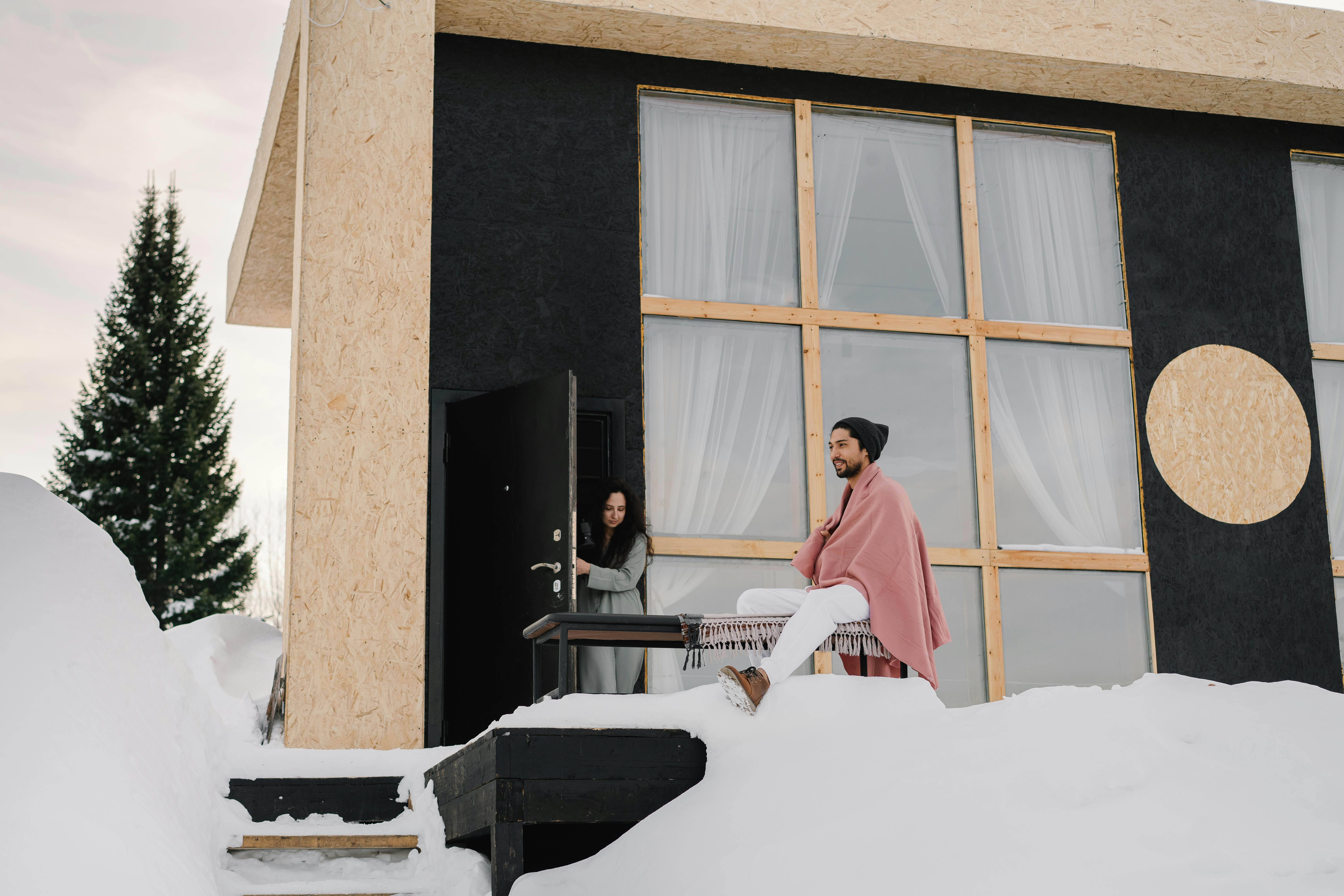
Mastering the art of layering is essential for anyone seeking to brave cold climates while maintaining comfort, mobility, and optimal body temperature throughout their outdoor adventures.

🧥 Why Traditional Warmth Methods Fall Short
Many people make the mistake of simply piling on bulky clothing when temperatures drop, only to find themselves either sweating profusely or still feeling cold. The problem isn’t necessarily the amount of clothing, but rather the strategic approach to trapping and managing body heat. Traditional single-layer heavy coats create a one-dimensional barrier that fails to adapt to changing activity levels and environmental conditions.
The human body generates heat continuously through metabolic processes, but this warmth escapes rapidly in cold environments without proper insulation. Understanding how heat retention actually works transforms your approach from merely adding fabric to creating an intelligent system that works with your body’s natural thermoregulation.
The Science Behind Effective Heat Retention
Heat loss occurs through four primary mechanisms: conduction, convection, radiation, and evaporation. Each of these requires a different defensive strategy. Conduction happens when your body directly contacts cold surfaces, convection occurs when cold air moves across your skin, radiation involves heat escaping into the atmosphere, and evaporation happens through moisture on your skin.
A proper layering system addresses all four mechanisms simultaneously. By creating multiple air pockets between fabric layers, you establish insulating barriers that dramatically slow heat transfer. This principle explains why several thin layers often outperform one thick garment—the trapped air acts as nature’s finest insulator.
🌡️ The Three-Layer Foundation System
Professional outdoor enthusiasts and cold-weather experts universally recommend a three-layer approach as the foundation for maximum warmth. This system provides versatility, breathability, and comprehensive protection against heat loss.
Base Layer: Your Second Skin
The base layer sits directly against your skin and serves the critical function of moisture management. When you’re active in cold weather, your body produces sweat, which can quickly chill you if it remains on your skin. High-quality base layers wick this moisture away from your body, keeping you dry and comfortable.
Merino wool and synthetic materials like polyester excel as base layer fabrics. Merino wool offers natural antimicrobial properties, excellent temperature regulation, and remains warm even when damp. Synthetic options dry faster and typically cost less while still providing good moisture management. Cotton should always be avoided as a base layer because it absorbs moisture and loses all insulating value when wet.
The fit of your base layer matters tremendously. It should be snug but not restrictive, allowing the fabric to maintain contact with your skin for effective wicking. Many cold-weather enthusiasts invest in different weights of base layers—lightweight for high-activity pursuits, midweight for general use, and heavyweight for extreme cold or low-activity situations.
Mid Layer: The Insulation Powerhouse
Your mid layer provides the bulk of your insulation by trapping warm air close to your body. This layer comes in numerous forms, each with distinct advantages depending on your specific needs and activities.
Fleece represents one of the most popular mid-layer choices due to its excellent warmth-to-weight ratio, breathability, and quick-drying properties. Different fleece weights offer varying insulation levels, from lightweight 100-weight to heavy 300-weight options. Fleece continues insulating even when damp and allows moisture vapor to escape effectively.
Down insulation offers the highest warmth-to-weight ratio of any insulating material. High-quality down compresses into remarkably small spaces while expanding to trap enormous amounts of air when released. However, down loses its insulating properties when wet and requires careful protection from moisture.
Synthetic insulation provides an alternative that maintains warmth when wet and dries more quickly than down. While typically heavier and less compressible than down, synthetic fills work better in damp climates or situations where moisture exposure is likely.
Outer Layer: Your Shield Against the Elements
The outer shell layer protects your entire system from wind, rain, and snow while allowing moisture vapor from your body to escape. This seemingly contradictory requirement—keeping water out while letting vapor escape—represents one of modern fabric technology’s greatest achievements.
Waterproof-breathable fabrics like Gore-Tex, eVent, and similar technologies use microscopic pores that allow water vapor molecules to pass through while blocking larger liquid water droplets. This maintains the microclimate within your layering system while protecting against external moisture.
Windproof capabilities are equally important, as wind dramatically accelerates heat loss through convection. A proper shell completely blocks wind penetration, preserving the warm air trapped in your layers beneath.
⛰️ Advanced Layering Strategies for Extreme Conditions
When temperatures plummet to extreme levels or when you’re facing particularly harsh conditions, the three-layer system can be expanded and optimized for maximum protection.
The Fourth Layer Concept
Adding an insulated jacket over your mid layer but under your shell creates a fourth layer that significantly boosts warmth. This approach works particularly well for static activities in extreme cold, such as belaying in mountaineering, ice fishing, or winter camping.
Puffy down jackets or synthetic insulated parkas excel in this role. The key is ensuring your outer shell is sized appropriately to accommodate this additional layer without compression, which would reduce the insulation’s effectiveness.
Vapor Barrier Layers
In extremely cold conditions below -20°F (-29°C), some cold-weather professionals employ vapor barrier layers (VBLs) between their base layer and mid layer. These non-breathable layers prevent moisture from entering outer layers where it could freeze, though they require careful management to avoid excessive moisture buildup.
🧤 Essential Extremities: Protecting Vulnerable Areas
Your body prioritizes core temperature, reducing blood flow to extremities when cold. This makes hands, feet, and head particularly vulnerable to heat loss and requires specialized attention.
Hand Protection Strategies
Mittens provide superior warmth compared to gloves because fingers generate more heat when together. However, gloves offer better dexterity for technical tasks. Many cold-weather experts carry both, or use a liner glove inside mittens that can be exposed briefly for detailed work.
Layering applies to hands as well. A thin liner glove under an insulated mitt creates an adaptable system. Some professionals use three layers: a thin liner, an insulated glove, and a waterproof shell mitt.
Foot Warmth Fundamentals
Cold feet can ruin any outdoor experience, yet many people overlook proper foot layering. The foundation starts with moisture-wicking liner socks, followed by insulating outer socks. Merino wool socks excel for cold weather, providing warmth even when damp and naturally resisting odor.
Boots must be sized to accommodate sock layers without compression. Tight boots restrict circulation and actually make feet colder by compressing insulation. A properly fitted winter boot should allow you to wiggle your toes freely even with thick socks.
Head and Neck Protection
Up to 40% of body heat can escape through an unprotected head, making headwear critical. Balaclavas provide comprehensive coverage, while layering a warm hat over a thin beanie creates an adjustable system. Neck gaiters or buffs protect the neck area where major blood vessels pass close to the skin surface.
🎯 Activity-Based Layer Adjustments
Static layering systems work for sitting around camp, but active pursuits require dynamic adjustments to prevent overheating and subsequent chilling from sweat-soaked clothing.
High-Output Activities
When skiing, hiking, or engaging in vigorous winter activities, you’ll generate substantial body heat. Starting slightly cold ensures you don’t overheat minutes into your activity. Many experienced outdoor athletes follow the principle of being “comfortably cool” at rest, knowing they’ll warm up quickly once moving.
Ventilation features become crucial for active pursuits. Pit zips, chest vents, and back vents allow you to dump excess heat without removing layers. Opening these vents proactively prevents sweat buildup that would later chill you.
Stop-and-Go Situations
Activities involving alternating movement and rest—like backcountry skiing with frequent stops, ice climbing, or winter photography—demand the most sophisticated layering approach. Carrying an insulated jacket to throw on during rest periods prevents chilling, while stripping to base and mid layers during activity prevents overheating.
💡 Material Science: Choosing the Right Fabrics
Understanding fabric properties empowers you to make informed decisions when building your layering system.
Natural vs Synthetic Debate
Natural materials like merino wool offer exceptional comfort, temperature regulation, and odor resistance. They perform well across a wide temperature range and maintain warmth when damp. However, they typically cost more and may be less durable than synthetics.
Synthetic materials dry faster, often cost less, and maintain their structure better over time. Modern synthetics have closed the comfort gap considerably, though they still tend to retain odors more than natural fibers.
The optimal approach often involves combining both: merino base layers for comfort and performance, synthetic mid layers for reliable insulation and quick drying, and technical synthetic shells for protection.
🌨️ Weather-Specific System Modifications
Different weather conditions require adjustments to your standard layering approach for optimal performance.
Dry Cold Conditions
In extremely cold but dry environments, breathability becomes less critical than maximum insulation. Down insulation excels here, providing unmatched warmth-to-weight ratios. Multiple thin insulating layers trap more air than single thick layers, so consider adding an extra mid-weight fleece.
Wet Cold Situations
Damp, moderately cold conditions present the greatest challenge for staying warm. Prioritize synthetic insulation that maintains warmth when wet, ensure your shell offers excellent waterproofing, and be particularly vigilant about managing moisture from both external sources and internal perspiration.
Windy Environments
Wind dramatically increases heat loss through convection. A windproof shell becomes non-negotiable, and you may need additional insulation to compensate for wind-driven heat loss. Sealed cuffs, adjustable hems, and protective hoods become essential features.
🔧 Maintaining Your Layering System
Even the finest layering system loses effectiveness without proper care and maintenance.
Down insulation requires periodic washing with specialized cleaners to maintain loft and remove oils that compress the fill. Waterproof-breathable shells need their durable water repellent (DWR) coating refreshed periodically through washing and heat treatment to maintain performance.
Synthetic insulation should be stored loosely rather than compressed for extended periods to maintain loft. Base layers benefit from regular washing to remove body oils and maintain wicking performance.
Building Your Personal Warmth Arsenal
Creating an effective layering system doesn’t require purchasing everything at once. Start with quality base layers and a versatile mid layer like a medium-weight fleece. Add a waterproof shell next, then expand with additional mid layers of varying weights and insulation types as budget allows.
Testing your system in progressively more challenging conditions helps you understand how different combinations perform and what gaps exist in your arsenal. Keep notes on what worked and what didn’t to guide future additions and adjustments.
The Flexibility Factor: Adapting to Changing Conditions
The greatest advantage of a proper layering system is adaptability. Weather changes, activity levels fluctuate, and unexpected situations arise. A well-designed system lets you add or remove layers to maintain optimal comfort regardless of conditions.
Carrying extra layers in a pack provides insurance against unexpected temperature drops or extended time outdoors. The slight weight penalty is insignificant compared to the discomfort and potential danger of being under-insulated.
🏔️ Real-World Application and Fine-Tuning
Theory and practice sometimes diverge when facing actual cold-weather conditions. Every individual generates heat differently, tolerates cold uniquely, and engages in activities with varying intensity levels. Your perfect layering system will be uniquely yours, refined through experience and adjustment.
Pay attention to patterns in your comfort levels. If you consistently find yourself cold during certain activities, add insulation. If you’re always overheating, strip down or choose lighter-weight options. The layering system is a framework, not a rigid prescription.
Environmental factors beyond temperature affect your layering choices. Altitude, humidity, sun exposure, and personal factors like fatigue and nutrition all influence how much insulation you need. Experienced cold-weather enthusiasts develop an intuitive sense of what their bodies need in different situations.
Maximizing Your Investment in Warmth
Quality cold-weather clothing represents a significant investment, but proper layering actually reduces overall costs by creating a versatile system rather than requiring specialized garments for every situation. A well-chosen base layer works for everything from early autumn hikes to deep winter expeditions when paired with appropriate additional layers.
Choosing classic colors and styles ensures your pieces coordinate together regardless of mix-and-match combinations. Technical performance matters far more than fashion in cold-weather layering, though many modern outdoor companies now offer gear that performs excellently while looking good.
Sales and outlet stores offer opportunities to build your layering system economically. Last season’s colors often sell at steep discounts despite identical performance to current offerings. Online retailers frequently discount cold-weather gear during off-season months when most people aren’t thinking about winter clothing.

Embracing Cold-Weather Adventures with Confidence
A properly executed layering system transforms cold weather from something to endure into conditions where you can thrive and enjoy outdoor pursuits. The confidence that comes from knowing you can stay comfortable regardless of temperature opens up a world of winter adventures many people never experience.
Ice climbing, backcountry skiing, winter camping, and cold-weather hiking become not just possible but genuinely enjoyable when you’ve mastered heat retention through intelligent layering. The crisp beauty of winter landscapes, the solitude of trails empty of fair-weather hikers, and the unique challenges of cold-weather pursuits offer rewards available only to those properly prepared.
Understanding layering principles also builds self-reliance and safety awareness. Recognizing the signs of inadequate insulation before they become dangerous, knowing how to adjust your system as conditions change, and maintaining your gear properly all contribute to safer outdoor experiences. This knowledge proves valuable not just for recreation but also in emergency situations where staying warm becomes critical.
The layering system approach represents more than just a method for staying warm—it embodies a philosophy of preparation, adaptability, and working intelligently with your environment rather than simply trying to overpower it with brute-force solutions. This mindset transfers to many aspects of outdoor adventure and life in general, teaching valuable lessons about planning, adjustment, and thoughtful problem-solving. By mastering these principles of heat retention and layering, you unlock the full potential of cold-weather environments and expand your comfort zone into conditions that would otherwise keep you indoors.