
Tracking progress doesn’t require expensive software or complex systems. Simple, minimal-tech methods can deliver powerful results while keeping you focused on what truly matters: consistent forward momentum.

📝 Why Minimal-Tech Progress Tracking Works Better Than You Think
In an era dominated by sophisticated project management platforms and AI-powered productivity apps, there’s something refreshingly effective about returning to basics. Minimal-tech progress tracking methods offer clarity without clutter, functionality without frustration, and results without the learning curve that often accompanies digital solutions.
The beauty of low-tech tracking lies in its accessibility. You don’t need an internet connection, subscription fees, or technical expertise. A simple notebook, index cards, or basic spreadsheet can become powerful tools for monitoring your advancement toward goals. These methods eliminate the paradox of productivity tools: spending more time managing your tracking system than actually making progress.
Research consistently shows that the act of physically writing down goals and progress increases commitment and retention. The tactile experience of putting pen to paper engages different cognitive processes than typing on a keyboard, creating stronger neural pathways and better memory formation. This neurological advantage makes minimal-tech methods surprisingly effective for long-term habit formation and goal achievement.
🎯 The Bullet Journal Method: Analog Simplicity Meets Systematic Tracking
The bullet journal system represents perhaps the most elegant minimal-tech solution for progress tracking. Created by designer Ryder Carroll, this method uses simple notation in a blank notebook to create a customizable organizational system that adapts to your specific needs.
At its core, the bullet journal uses rapid logging with simple symbols: dots for tasks, dashes for notes, circles for events, and various signifiers to add context. This minimalist notation system allows you to capture information quickly without interrupting your workflow. The monthly and daily spreads provide structure while maintaining flexibility.
For progress tracking specifically, bullet journals excel through their migration system. Uncompleted tasks get reviewed and either migrated forward, scheduled for later, or eliminated if no longer relevant. This regular review process ensures nothing falls through the cracks while forcing you to confront whether tasks truly deserve your attention.
The customization possibilities are endless. You can create habit trackers with simple grid layouts, project timelines using basic horizontal bars, or mood logs with color-coded dots. The physical act of filling in these trackers creates a visual representation of progress that’s immediately satisfying and motivating.
✅ The Power of Paper Checklists and Daily Logs
Sometimes the simplest solution is the best. A straightforward checklist on paper offers immediate visual feedback, tactile satisfaction when crossing items off, and zero technical barriers. Unlike digital lists that can become endless scrolls of overwhelming tasks, paper checklists have natural constraints that encourage prioritization.
Daily logs take this concept further by creating a chronological record of accomplishments. At the end of each day, spend five minutes writing down what you completed, learned, or moved forward. This practice serves multiple purposes: it provides concrete evidence of progress during discouraging moments, helps identify productivity patterns, and creates accountability through documentation.
The daily log method works particularly well for creative professionals, students, and anyone working on long-term projects where progress feels intangible. Seeing weeks of documented small wins accumulate into significant advancement provides perspective that’s easy to lose when you’re deep in the work.
Creating Effective Paper-Based Systems
To maximize the effectiveness of paper tracking, establish consistent routines. Keep your notebook or checklist in the same location, review it at the same time each day, and use consistent formatting. These habits reduce friction and make the tracking process automatic rather than an additional task requiring decision-making.
Consider using different colored pens or highlighters to categorize information quickly. Green for completed tasks, orange for in-progress items, and red for blocked tasks creates instant visual hierarchy. This color-coding requires no technology but provides at-a-glance status updates.
📊 Spreadsheet Simplicity: Digital Minimal-Tech Solutions
While emphasizing low-tech approaches, it’s worth acknowledging that basic spreadsheets represent a minimal-tech sweet spot. They’re digital enough to offer calculation, sorting, and backup capabilities, yet simple enough that most people can use them without extensive training.
A basic progress tracking spreadsheet needs only a few columns: date, task or metric, target, actual, and notes. This structure works for virtually any tracking need, from fitness goals to project milestones to learning progress. The ability to create simple charts from this data provides visual motivation without requiring specialized software.
Google Sheets or Microsoft Excel offer free options that work across devices while maintaining simplicity. The key is resisting the temptation to over-engineer. Avoid complex formulas, excessive formatting, or elaborate dashboard attempts. Keep it straightforward: enter data, see results, identify trends.
For teams working collaboratively, a shared spreadsheet provides transparency and accountability with minimal technical overhead. Everyone can see progress updates, contribute their data, and identify bottlenecks without learning new platforms or adapting to unfamiliar interfaces.
📅 The Calendar Method: Visual Time Blocking
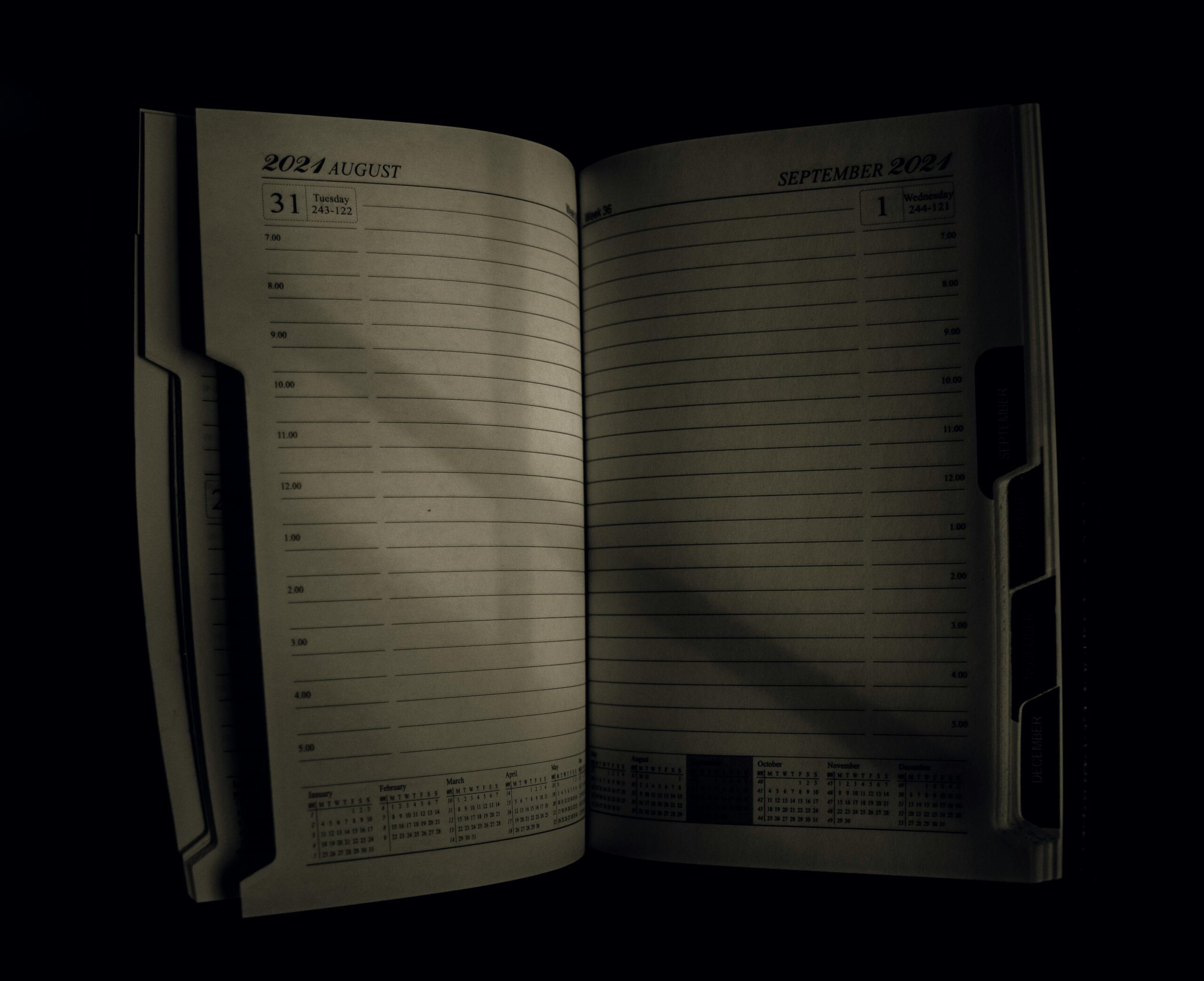
A wall calendar or desk planner becomes a powerful progress tracking tool when used intentionally. Rather than just scheduling appointments, use it to mark days when you work on specific goals, track streaks, or visualize project timelines.
The “X method,” popularized by comedian Jerry Seinfeld, demonstrates this approach perfectly. Simply mark an X on the calendar for each day you complete your target behavior. After a few days, you’ll have a visual chain of Xs that you won’t want to break. This simple technique leverages loss aversion and visual feedback to maintain consistency.
Color-coding calendar entries provides another layer of tracking. Assign different colors to different project categories or goal areas. At month’s end, you can instantly see how you allocated time across priorities, revealing patterns that might surprise you.
Physical calendars offer an advantage over digital versions: constant visibility. A calendar on your wall serves as a persistent reminder and motivator in a way that a smartphone app simply cannot match. The physical presence creates environmental accountability.
🃏 Index Card Systems: Portable and Flexible
Index cards might seem outdated, but they offer unique advantages for progress tracking. Each card can represent a project, task, or goal area. Arrange them on a desk or wall to visualize workflow, prioritize by moving cards around, and archive completed items by physically removing cards.
The Kanban method adapts perfectly to index cards. Create three sections: To Do, In Progress, and Done. Move cards through these stages as work advances. This visual workflow management requires nothing more than cards, a surface, and perhaps some tape or pins.
For goal tracking, dedicate one card to each major goal. On the front, write the goal and target date. On the back, log progress updates with dates. This creates a portable, focused tracking system that you can review anywhere without powering up devices or opening apps.
Index cards also work brilliantly for tracking habits across multiple domains. Create a card for each habit with a simple grid drawn on it. Each day, fill in a square when you complete the habit. The tactile satisfaction of physically marking progress reinforces the behavior.
📖 The Weekly Review: Making Minimal-Tech Methods Work
Regardless of which minimal-tech tracking method you choose, effectiveness depends on regular review. A weekly review session transforms tracking from passive recording to active learning and adjustment.
Set aside 15-30 minutes each week to review your tracking systems. Look for patterns: Which goals received consistent attention? Where did you fall short? What obstacles repeatedly appeared? This reflection converts raw tracking data into actionable insights.
During your review, celebrate wins explicitly. Minimal-tech systems won’t send you congratulatory notifications, so you must create that positive reinforcement yourself. Acknowledge completed projects, maintained streaks, and incremental progress. This self-recognition fuels motivation for the week ahead.
Use the review to plan the coming week. Based on what your tracking reveals, adjust priorities, eliminate non-essential tasks, and recommit to important goals. This planning session ensures your minimal-tech tracking actually informs behavior rather than becoming busywork.
Questions to Guide Your Weekly Review
- What did I accomplish this week that moved me toward major goals?
- Which tracked behaviors or tasks received consistent attention?
- Where did I encounter resistance or repeatedly postpone action?
- What can I eliminate, delegate, or simplify for next week?
- Am I tracking the right metrics, or should I adjust my focus?
🔄 Combining Methods for Maximum Impact
The most effective minimal-tech tracking often combines multiple simple methods. You might use a bullet journal for daily tasks and reflections, a wall calendar for visual streak tracking, and a basic spreadsheet for quantitative metrics. This multi-method approach leverages the strengths of each system without creating overwhelming complexity.
The key is ensuring methods complement rather than duplicate each other. Your bullet journal might track daily habits, while your spreadsheet monitors weekly measurements related to those habits. Your calendar visualizes consistency patterns, while your journal captures qualitative observations about what works.
Start with one method and add others only as clear needs emerge. Resist the temptation to implement every system simultaneously. The goal is simplicity, and that requires restraint in adopting new tracking approaches.
🎨 Customization: Making Your System Personal
Minimal-tech methods shine in their adaptability. Unlike rigid software platforms, paper and basic digital tools bend to your needs rather than forcing you into predetermined structures. This customization capability makes them more likely to stick long-term.
Consider what motivates you personally. Visual learners might emphasize charts, graphs, and color-coding. Kinesthetic learners might prefer physical manipulation of index cards. Verbal processors might focus on written reflections and detailed notes. Design your tracking system around your learning style and preferences.
Experiment with formats until you find what feels natural. Some people love structured grids and templates, while others prefer freeform notes. Some need daily tracking, while others benefit from weekly summaries. There’s no universal “best” method—only what works for you.
Don’t be afraid to evolve your system over time. What works during one life phase or project might need adjustment later. The flexibility of minimal-tech methods makes such evolution painless compared to migrating between different software platforms.
⚡ Overcoming Common Obstacles
Even simple tracking systems face challenges. Inconsistency represents the most common obstacle. You start enthusiastically but gradually stop updating your logs or checklists. Combat this through routine attachment—link tracking to an existing habit like your morning coffee or evening wind-down.
Another challenge is perfectionism. You might hesitate to mark incomplete progress or feel discouraged by missed days. Remember that tracking serves learning and adjustment, not judgment. Imperfect data that exists beats perfect data you never collect. Mark what you actually did, not what you wish you’d done.
Loss or damage of physical tracking tools can feel devastating. Mitigate this risk by periodically photographing pages or creating simple backups. For critical data, consider a hybrid approach where you maintain paper systems but transfer key metrics to a digital backup weekly.
Some people find minimal-tech methods too slow or cumbersome compared to quick app entries. If speed matters, streamline your notation. Use abbreviations, symbols, or simple marks rather than full sentences. The goal is capturing information, not creating beautiful documents.
🌱 Building Sustainable Tracking Habits
Long-term success with minimal-tech progress tracking requires building sustainable habits around your chosen methods. Start small—track just one or two important metrics rather than attempting comprehensive life monitoring. As tracking becomes automatic, gradually expand scope.
Make tracking visible and convenient. Keep your notebook on your desk, your checklist on your bathroom mirror, or your calendar above your workspace. Reducing friction between intention and action dramatically increases consistency.
Create trigger events that prompt tracking. After completing a work session, immediately log what you accomplished. Before bed, spend two minutes updating your habit tracker. These if-then routines embed tracking into daily life without requiring constant willpower.
Share your tracking practice with others when appropriate. Accountability partners, mastermind groups, or simply telling a friend about your system increases commitment. Some people benefit from posting progress updates publicly, though this isn’t necessary for effectiveness.
💡 Measuring What Matters: Choosing the Right Metrics
The simplicity of minimal-tech methods can tempt you to track everything, but effective progress monitoring requires selectivity. Focus on leading indicators—behaviors you can control—rather than lagging indicators that measure outcomes beyond your direct influence.
For a fitness goal, tracking workout completion (leading indicator) proves more useful than tracking weight (lagging indicator). For a writing project, tracking daily word count or writing sessions matters more than tracking book sales. Choose metrics that reflect consistent action toward your goals.
Limit yourself to 3-5 key metrics per major goal area. More than this creates tracking overhead that outweighs benefits. Ask yourself: “If I could only know three things about my progress, what would I want to know?” Those become your core tracking focuses.
Periodically evaluate whether your metrics still serve you. Goals evolve, priorities shift, and what mattered three months ago might be irrelevant today. Permission to stop tracking something that no longer matters prevents your system from becoming burdensome.
🚀 Taking Action: Starting Your Minimal-Tech Tracking Today
The best tracking system is the one you’ll actually use. Start today with whatever materials you already have. A blank notebook, a stack of index cards, or a simple spreadsheet document can become your progress tracking foundation within minutes.
Choose one method from this article that resonates with you. Implement it for one specific goal or project. Use it consistently for two weeks, then evaluate. Did it help you maintain focus? Did you gain insights? Did progress improve? Based on these answers, refine your approach or try a different method.
Remember that technology serves tracking, not vice versa. The goal isn’t having an impressive system—it’s making measurable progress toward meaningful goals. Sometimes the simplest tools create the clearest path forward.
Progress tracking shouldn’t consume the energy needed for actual progress. Minimal-tech methods keep the focus where it belongs: on doing the work, building the habits, and achieving the goals that matter to you. Start simple, stay consistent, and let your tracking illuminate the path to your objectives.