
When the unexpected strikes during outdoor adventures or emergency situations, knowing how to safely retreat and reroute can mean the difference between life and death.

🧭 Understanding the Critical Importance of Emergency Rerouting
Emergency rerouting isn’t just about finding an alternative path—it’s a comprehensive survival skill that combines situational awareness, quick decision-making, and practical navigation techniques. Whether you’re hiking in remote wilderness, traveling through unfamiliar territory, or facing sudden weather changes, having a solid retreat strategy is essential for your safety.
The concept of strategic retreat has been valued throughout history, from military tactics to mountaineering expeditions. Modern adventurers, travelers, and outdoor enthusiasts must understand that knowing when and how to turn back is not a sign of weakness but rather demonstrates wisdom and preparedness.
Statistics show that many outdoor emergencies occur not during the initial phase of an adventure but during the retreat phase when fatigue, panic, or poor planning compromise decision-making abilities. This makes mastering emergency rerouting strategies absolutely critical for anyone venturing beyond familiar surroundings.
⚠️ Recognizing When Retreat Becomes Necessary
The first step in any emergency rerouting situation is recognizing when continuing forward is no longer the safest option. This requires constant environmental monitoring and honest self-assessment of your capabilities and resources.
Environmental Warning Signs
Nature provides numerous signals that conditions are deteriorating. Rapidly changing weather patterns, such as sudden temperature drops, increasing wind speeds, or darkening skies, should immediately trigger a retreat evaluation. In mountainous terrain, signs of potential avalanches, rockfall, or flash flood conditions demand immediate attention.
Water crossings that appeared manageable during planning may become dangerous due to rainfall upstream. Trail conditions can deteriorate rapidly, with mud, ice, or fallen trees creating hazards that weren’t present hours earlier. Wildlife behavior changes can also indicate approaching storms or other environmental dangers.
Personal and Group Assessment Indicators
Physical exhaustion beyond normal tiredness, injuries that impair mobility, symptoms of altitude sickness, hypothermia, or heat exhaustion all necessitate immediate retreat considerations. Equipment failures, such as damaged navigation tools, insufficient supplies, or clothing that’s no longer protecting against the elements, create additional risk factors.
Group dynamics also play a crucial role. If team members are becoming separated, communication is breaking down, or there’s disagreement about the best course of action, it’s often safer to retreat to a known safe location before continuing discussions.
📍 Pre-Trip Planning: Your Foundation for Safe Retreat
Emergency rerouting begins long before you need it. Comprehensive pre-trip planning creates the framework that makes safe retreat possible when conditions deteriorate.
Route Research and Alternative Path Identification
Before any journey, study your primary route thoroughly, but equally important is identifying multiple alternative routes back to safety. These alternatives should account for different scenarios: what if the weather forces an early retreat? What if someone becomes injured? What if the primary trail becomes impassable?
Modern mapping applications provide excellent tools for route planning. Apps like Gaia GPS, AllTrails, and offline mapping solutions allow you to download detailed topographic maps that remain accessible without cellular service.
Checkpoint System Development
Establish mental or physical checkpoints throughout your planned route—specific locations where you’ll assess conditions and decide whether to continue or retreat. These checkpoints should be at significant landmarks, ideally where multiple route options exist.
At each checkpoint, conduct a systematic evaluation: How’s everyone feeling? What’s the weather doing? Are we on schedule? Do we have adequate supplies to continue? Is the terrain ahead what we expected? This structured approach prevents the dangerous tendency to push forward despite warning signs.
🛠️ Essential Tools and Technologies for Navigation
Having the right tools significantly improves your ability to execute emergency rerouting successfully. However, redundancy is key—never rely on a single navigation method.
Traditional Navigation Equipment
Despite technological advances, traditional navigation tools remain indispensable. A quality compass that you know how to use properly provides reliable directional information without batteries. Waterproof topographic maps of your area give you the big picture perspective that small smartphone screens cannot match.
Learning to read terrain features and navigate by landmark recognition creates an invaluable skill set that works regardless of equipment availability. Understanding how to determine cardinal directions from the sun, stars, and natural indicators provides additional backup methods.
Digital Navigation Solutions
Smartphone GPS applications have revolutionized outdoor navigation when used properly. The key is downloading offline maps before losing cellular coverage. Apps that track your route automatically create a digital breadcrumb trail you can follow back to safety.
Dedicated GPS devices offer superior battery life and durability compared to smartphones, making them excellent primary or backup navigation tools. Personal locator beacons (PLBs) and satellite communicators like Garmin inReach provide emergency communication capabilities when you’re beyond cellular range.
🚨 Executing the Emergency Retreat: Step-by-Step Protocol
When the decision to retreat has been made, systematic execution increases your chances of reaching safety successfully. Panic is your enemy; methodical action is your ally.
Immediate Stabilization Phase
First, stop forward movement and establish a safe, sheltered location if possible. This gives you time to think clearly without continuing to move in a potentially dangerous direction. Check all group members for injuries or signs of distress that need immediate attention.
Secure critical equipment and ensure nothing is left behind that you might need. Take inventory of your supplies—water, food, emergency shelter, first aid materials, and navigation tools. Understanding your resources helps inform decisions about your retreat route and pace.
Route Selection and Decision-Making
Review your options carefully. The fastest route back isn’t always the safest. Consider terrain difficulty, exposure to weather, water availability, and known hazards when selecting your retreat path. If you’re following your incoming route back, remember that conditions may have changed—that stream crossing might be deeper, that snow slope might be softer.
Communicate your plan clearly to all group members. Everyone should understand the destination, the route, the expected timeline, and what to do if someone becomes separated. Establish a sustainable pace that the slowest group member can maintain without excessive exhaustion.
Movement and Progress Monitoring
During retreat, maintain situational awareness continuously. Regularly check your navigation tools to confirm you’re following the intended route. Leave trail markers if appropriate to help search and rescue teams if needed, but follow Leave No Trace principles in non-emergency situations.
Take strategic breaks to prevent exhaustion, but keep them brief enough to maintain body warmth and momentum. Use break times to reassess conditions, check navigation, and ensure all group members remain together and capable of continuing.
💡 Advanced Strategies for Challenging Retreat Scenarios
Some situations demand more sophisticated approaches to emergency rerouting, particularly when conditions are rapidly deteriorating or when you’re in especially remote locations.
Navigation in Limited Visibility
Fog, whiteout conditions, darkness, or heavy precipitation dramatically complicate navigation. In these situations, slow down significantly and rely more heavily on your compass and altimeter. Terrain features you can feel—slope angles, vegetation changes, water sources—become more important than visual landmarks.
Consider whether sheltering in place until visibility improves is safer than attempting to navigate in conditions where you might become lost or encounter unseen hazards. This decision depends on your shelter capabilities, remaining supplies, and weather forecasts.
Dealing with Injuries During Retreat
Injuries complicate retreat significantly. Assess whether the injured person can walk with assistance, needs to be carried, or is best served by staying in place while you seek help. This decision depends on injury severity, distance to safety, weather conditions, and available resources.
If carrying someone out isn’t feasible, establish the best possible shelter, make them comfortable with available resources, mark the location clearly with bright colors or reflective materials, and have the strongest group members go for help with precise location information.
🌐 Communication Strategies During Emergency Rerouting
Effective communication can dramatically improve retreat outcomes, both within your group and with outside resources who might assist you.
Internal Group Communication
Establish clear communication protocols before they’re needed. Determine how the group will stay together, how concerns will be raised, and how decisions will be made. In challenging conditions, visual signals or whistles may work better than shouting.
Regular check-ins ensure everyone understands the current situation and plan. Encourage group members to speak up about concerns, physical problems, or observations about conditions. Sometimes the person at the back of the group notices things the leader misses.
External Communication Options
If you have cellular service, inform someone trustworthy of your situation, location, and intended retreat route. Provide specific geographic coordinates if possible. If you don’t reach safety by an agreed-upon time, they can initiate rescue operations with accurate information.
Satellite communication devices enable two-way messaging or emergency beacon activation from anywhere on Earth. These devices can request assistance before situations become life-threatening, potentially preventing true emergencies.
🏔️ Terrain-Specific Retreat Considerations
Different environments present unique challenges that affect retreat strategies. Understanding these terrain-specific factors improves your decision-making and execution.
Mountain and Alpine Environments
Descending mountains during retreat requires careful attention to route selection. Going down isn’t always easier—steep descents stress knees and ankles, and loose terrain increases fall risk. Cliffs and dropoffs that were obvious during ascent in daylight might surprise you during descent in poor visibility or darkness.
Weather changes rapidly at altitude. A retreat that began under clear skies might encounter storms, reducing visibility and increasing exposure dangers. Lightning risk makes ridge travel particularly dangerous during afternoon thunderstorms common in many mountain ranges.
Forest and Woodland Retreats
Dense vegetation can make maintaining direction difficult, especially without clear trails. Stream courses often provide natural navigation corridors leading downward, but they can also lead to impassable waterfalls or canyons. Following drainage systems works best when you’ve studied maps beforehand and know where they lead.
Forest canopy protects from some weather but makes celestial navigation impossible. Trail junctions can be confusing, making careful attention to navigation critical to avoid accidentally going deeper into wilderness rather than toward safety.
Desert and Arid Region Navigation
Water considerations dominate desert retreats. Your route must account for known water sources or carrying sufficient supply to reach safety. Heat management becomes critical—traveling during cooler morning or evening hours may be safer than pushing through midday heat, even if it extends overall retreat time.
Desert terrain that looks flat from distance often contains hidden canyons, requiring longer routes than expected. Landmarks can be deceptive, with distances appearing shorter than reality due to clear air and unfamiliar scale.
🎯 Decision-Making Frameworks for Retreat Situations
Having a systematic approach to decision-making reduces the influence of emotion and fatigue on critical choices during emergency situations.
The Stop-Think-Observe-Plan Method
This classic framework remains relevant because it forces deliberate thinking when instinct might cause poor choices. Stop all movement and resist the urge to rush. Think about your situation objectively—what are the facts versus assumptions? Observe your surroundings, weather, group condition, and resources available. Plan your next actions based on this assessment rather than emotion.
This method works particularly well when you realize you’re lost or when conditions suddenly deteriorate. The few minutes spent on this process often prevent hours or days of problems resulting from panicked reactions.
Risk Assessment Matrix
Evaluate potential courses of action by considering both the likelihood and consequences of various outcomes. A route that’s slightly longer but substantially safer usually represents the better choice. Consider not just the most likely scenario but also worst-case possibilities—if your “quick” route goes wrong, what are the consequences?
Factor in your entire group’s capabilities, not just the strongest members. A route that’s easy for experienced hikers might be dangerously challenging for those with less experience or physical capability.
🌟 Psychological Aspects of Emergency Retreat
The mental and emotional dimensions of retreat situations significantly influence outcomes. Understanding these psychological factors helps you maintain effective decision-making under stress.
Managing Summit Fever and Goal Fixation
One of the most dangerous psychological traps is becoming so focused on reaching your intended destination that you ignore warning signs demanding retreat. “Summit fever” affects not just mountaineers but anyone invested in reaching a goal.
Combat this by establishing clear turnaround criteria before your journey—specific times, weather conditions, or physical signs that automatically trigger retreat regardless of how close you are to your goal. Remember that the summit, destination, or finish line will still be there for another attempt, but your safety can’t be recovered once compromised.
Group Dynamics Under Stress
Stress amplifies personality traits and can create conflict within groups. Strong leadership that listens to concerns while maintaining clear decision-making authority prevents dangerous delays or group fragmentation during retreat.
Maintain positive but realistic communication. Acknowledging difficulties while expressing confidence in the retreat plan helps maintain morale without creating false expectations that could lead to disappointment and further stress.
📚 Learning from Experience: Post-Retreat Analysis
Every retreat situation, whether it resulted from emergency conditions or prudent caution, offers valuable learning opportunities that improve future decision-making.
After returning to safety, conduct a thorough review while details remain fresh. What warning signs appeared first? When did you recognize the need to retreat? What worked well in your execution? What would you do differently? This analysis shouldn’t assign blame but should identify learning points for everyone involved.
Document your experience in detail, including specific locations, timing, weather conditions, and decision points. This creates a valuable reference for future trips in similar areas or conditions. Share appropriate lessons with the broader outdoor community through trip reports or discussions, contributing to collective safety knowledge.
Consider whether your equipment performed adequately. Did your navigation tools provide the information you needed? Was your emergency gear sufficient? Did your physical preparation match the demands? Use these insights to adjust future packing lists, training routines, and planning processes.
🔄 Building Skills Through Practice and Training
Emergency rerouting skills develop through practice, not just theoretical knowledge. Regular training in controlled environments builds the competence and confidence needed when real situations arise.
Practice navigation with map and compass in familiar areas, then progress to less-known terrain. Try navigation exercises in various weather conditions and light levels. Learn to estimate distances, recognize terrain features, and maintain direction without constant reference to instruments.
Take wilderness first aid courses that address not just injury treatment but also decision-making about evacuation versus staying in place. Participate in search and rescue training if available in your area, learning from experienced professionals who regularly conduct emergency operations.
Develop physical fitness appropriate to your outdoor pursuits. Being able to maintain a steady pace for extended periods, even when tired, significantly improves your retreat options during emergencies. Mental resilience built through challenging training helps you remain calm and effective when stress levels rise.
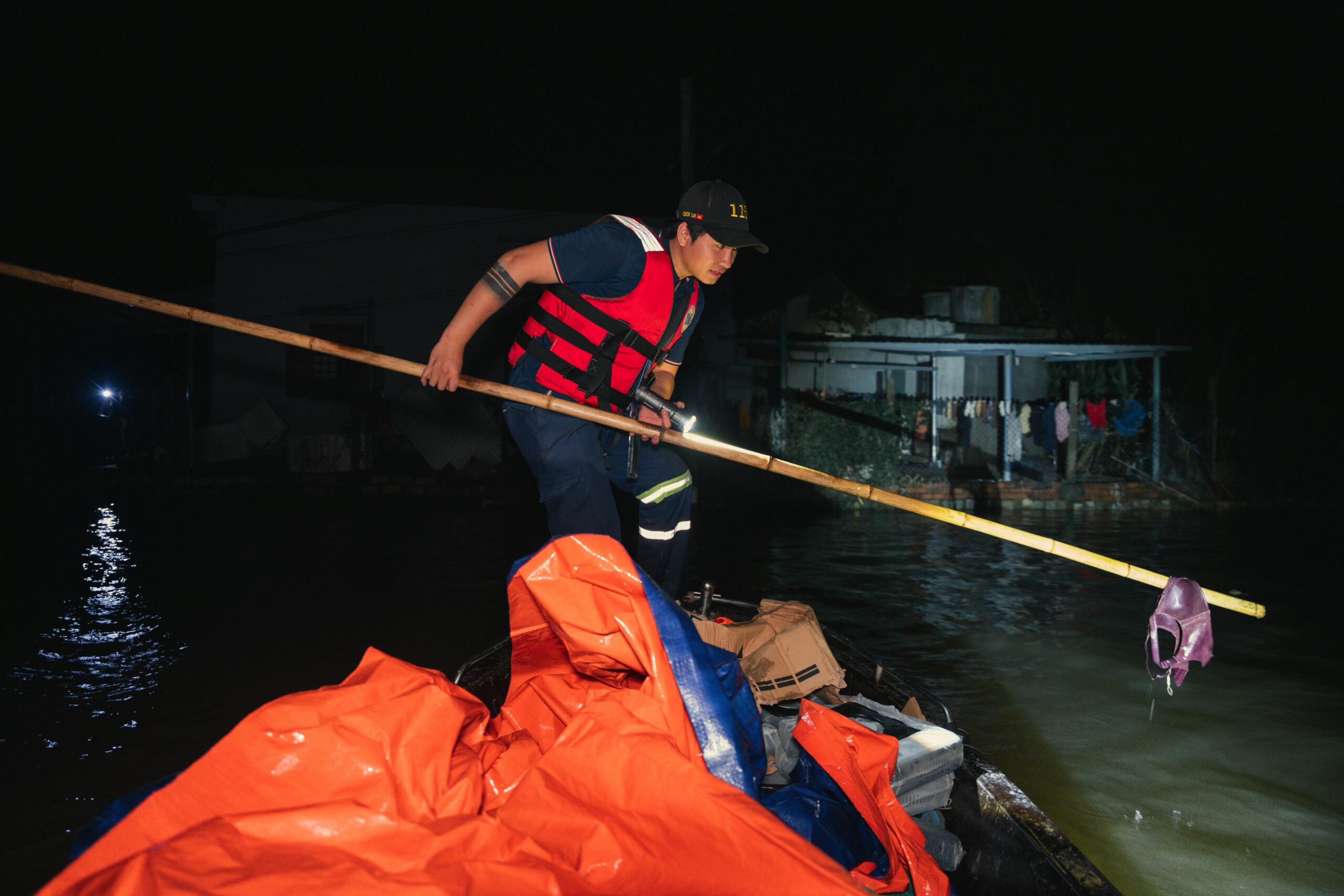
🛡️ Your Safety Depends on Preparation and Wisdom
Mastering emergency rerouting strategies represents a fundamental component of outdoor competence and safety consciousness. The ability to recognize when retreat becomes necessary, combined with the skills to execute that retreat successfully, separates prepared adventurers from those who become statistics.
Remember that every successful outdoor adventure includes not just reaching your destination but returning safely. The mountain, trail, or destination will always be there for another attempt, but taking unnecessary risks cannot be undone. Confidence comes not from pushing beyond reasonable limits but from knowing you have the skills, tools, and judgment to make appropriate decisions in any situation.
Start building these skills today through careful planning, proper equipment selection, regular practice, and honest assessment of your capabilities. Share this knowledge with others in your outdoor community, creating a culture that values safe retreat decisions as demonstrations of wisdom rather than weakness. When you navigate with true confidence—confidence grounded in preparation and sound judgment—you’ll enjoy outdoor pursuits more fully, knowing you’re equipped to handle whatever challenges arise.