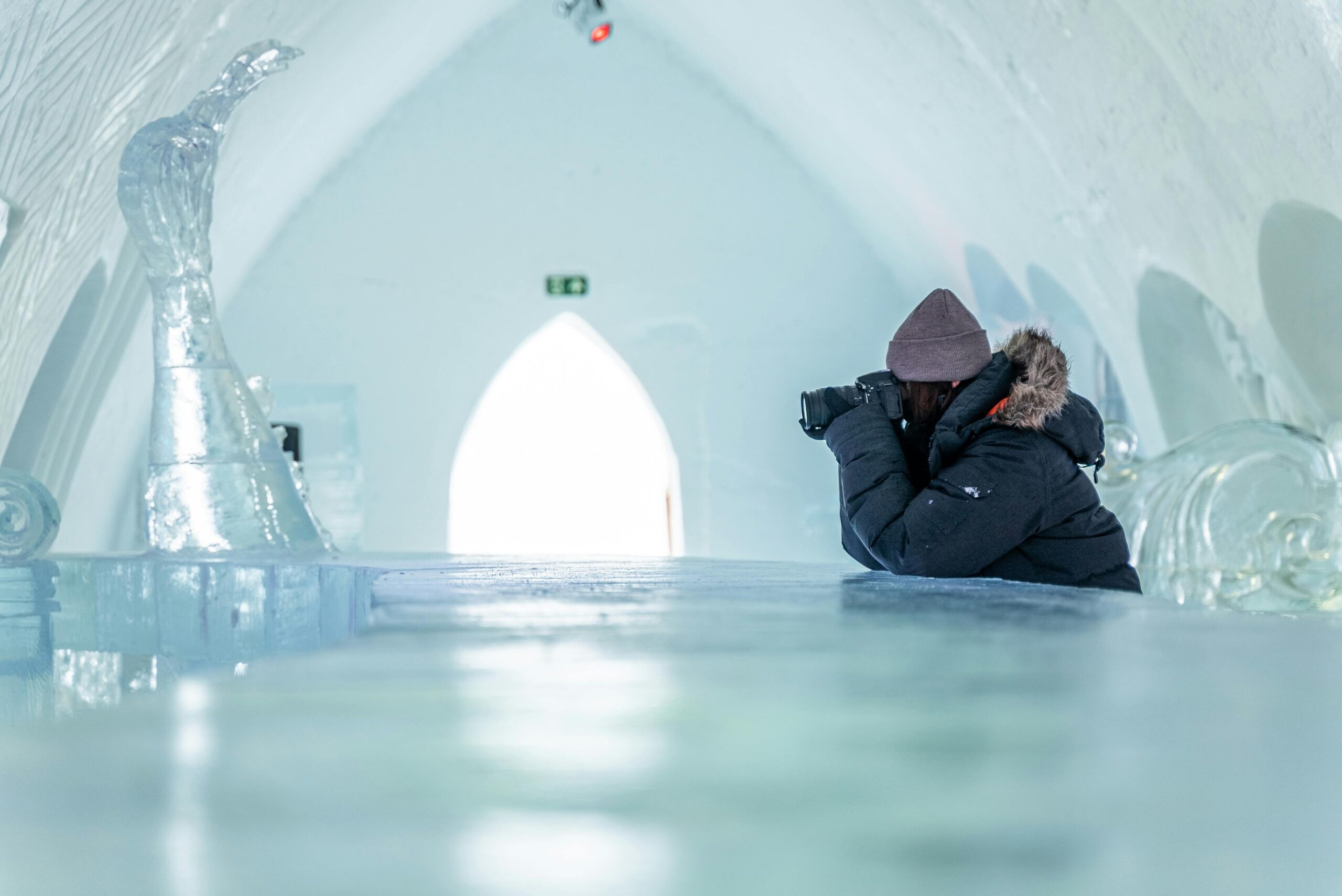
Navigating through frozen landscapes demands precision, preparation, and unwavering attention to detail that can mean the difference between success and survival.

Cold weather expeditions present unique challenges that test even the most experienced adventurers. When temperatures plummet and visibility drops, having comprehensive navigation checklists becomes your lifeline to safety. Whether you’re planning a winter mountain trek, an Arctic expedition, or a backcountry ski tour, proper navigation preparation separates confident explorers from those who find themselves dangerously lost in white-out conditions.
The harsh reality of cold weather navigation is that standard conditions amplify every mistake. Electronics fail faster, maps become difficult to handle with gloved hands, and natural landmarks disappear under blankets of snow. This comprehensive guide will equip you with essential navigation checklists specifically designed for cold weather environments, ensuring you stay on course when conditions turn hostile.
🧭 Pre-Expedition Navigation Planning Checklist
Before setting foot in cold weather terrain, thorough planning establishes the foundation for successful navigation. Your pre-expedition phase should begin weeks before departure, allowing time to gather information, test equipment, and develop contingency plans.
Start by obtaining detailed topographical maps of your intended route and surrounding areas. In cold weather expeditions, you need backup coverage extending at least 10 kilometers beyond your planned route in all directions. Weather can force detours, and having comprehensive map coverage provides options when conditions deteriorate.
Study historical weather patterns for your destination during your travel period. Cold weather regions experience dramatic variations in visibility, wind patterns, and temperature that directly impact navigation. Understanding seasonal norms helps you anticipate challenges and pack appropriate navigation tools.
Critical Route Intelligence Gathering
Compile detailed information about potential hazards along your route. In cold weather environments, this includes avalanche zones, areas prone to white-out conditions, frozen water crossings, and wind-exposed ridges. Mark these locations on your maps and GPS devices, creating waypoints that trigger extra caution.
Identify emergency exit routes and shelter locations at regular intervals along your planned path. Cold weather reduces your margin for error, making it essential to know where you can find protection if conditions become life-threatening. Document the coordinates and bearing to these safety points.
Research magnetic declination for your specific area, as this varies geographically and changes over time. Cold weather regions at high latitudes often experience significant declination that must be accounted for in all compass navigation calculations.
📱 Technology and Equipment Preparation Checklist
Cold weather wreaks havoc on electronic navigation devices, making equipment preparation absolutely critical. Batteries drain faster in freezing temperatures, screens become unresponsive, and moisture can damage sensitive electronics.
Your primary GPS device should be cold-rated and tested in temperatures below what you expect to encounter. Load all route data, waypoints, and backup maps before departure. Create multiple route variations accounting for different weather scenarios and emergency alternatives.
Battery management becomes paramount in cold conditions. Pack at least three times the battery capacity you would normally carry for temperate weather expeditions. Store spare batteries in interior pockets close to your body where warmth preserves their charge capacity.
Analog Navigation Systems
Never rely exclusively on electronic navigation in cold weather. Your analog backup system should include a quality baseplate compass with adjustable declination, waterproof topographic maps, and a mechanical altimeter if traveling in mountainous terrain.
Laminate your maps or store them in waterproof cases that allow use without removal. Practice map reading with heavy gloves on, as you’ll often navigate without dexterity. Consider creating simplified route cards with key bearings and distances that can be referenced quickly without exposing full maps.
Test all navigation equipment in cold conditions before your expedition. Fill a cooler with ice and test your GPS, phone apps, and other electronics to understand their limitations. This reveals potential failures before they become critical problems in the field.
❄️ Daily Navigation Protocol Checklist
Establishing consistent daily navigation routines creates habits that function even when exhaustion and cold impair judgment. These protocols should become automatic, ensuring navigation discipline regardless of conditions.
Begin each day with a detailed navigation briefing. Review the day’s route, identify key waypoints, discuss potential hazards, and establish communication protocols. Every team member should understand the planned route and carry basic navigation tools even if designated navigators have primary responsibility.
Conduct position confirmations at regular intervals throughout the day. In cold weather environments with limited visibility, position awareness can deteriorate rapidly. Set a schedule for navigation checks every 30 minutes or at natural terrain features, whichever comes first.
Real-Time Route Adjustment Procedures
Cold weather conditions change rapidly, requiring flexible navigation strategies. Monitor weather conditions continuously and be prepared to adjust routes based on visibility, wind exposure, and temperature changes that increase risk.
Maintain a detailed navigation log documenting times, positions, bearings, and conditions throughout your journey. This log serves multiple purposes: it creates a record for search and rescue if needed, helps you learn from the expedition, and provides data for future trip planning.
Establish turn-around times and positions before starting each segment. Cold weather expeditions require disciplined decision-making about when to abandon objectives. Predetermined turn-around criteria based on time, position, or conditions remove emotion from critical safety decisions.
🌨️ White-Out and Low Visibility Navigation Tactics
White-out conditions represent the most challenging navigation scenarios in cold weather expeditions. When earth and sky merge into uniform whiteness, even experienced navigators become disoriented within minutes.
Terrain association becomes nearly impossible in white-out conditions, forcing complete reliance on instruments. Your navigation strategy must shift to precise bearing following, careful pace counting, and disciplined position confirmation using GPS when visibility exceeds a few meters.
Designate specific team roles for white-out navigation. One person focuses exclusively on compass bearing, another counts paces or monitors distance, while a third manages GPS and confirms position. This division of responsibility maintains accuracy when concentration becomes difficult.
Handrail and Catching Feature Navigation
In limited visibility, handrail navigation provides psychological confidence and physical guidance. Handrails are linear features like ridgelines, valleys, or frozen streams that guide travel without requiring constant position confirmation.
Identify catching features beyond your intended destination that alert you if navigation errors occur. These are large, unmistakable terrain features that you’ll encounter if you overshoot your target, providing clear indication to backtrack and relocate your position.
Practice micro-navigation techniques that maintain course over short distances. In white-out conditions, you may only navigate between points 50-100 meters apart. Send a team member ahead to a visible limit, navigate to that position, then repeat the process rather than attempting long-distance bearing following.
🧊 Cold Weather Compass Navigation Essentials
Compass navigation in freezing conditions requires modified techniques to account for cold-weather challenges. Standard compass skills become more complex when wearing heavy gloves, dealing with frozen condensation, and working in extreme cold.
Keep your compass accessible but protected. Sudden temperature changes cause condensation inside the compass housing, creating bubbles that impair accuracy. Store your compass in an interior pocket and allow it to stabilize before taking bearings in extreme cold.
Account for local magnetic anomalies more common in some cold regions. Certain geological formations create magnetic interference that throws compass readings off by several degrees. Cross-reference compass bearings with GPS and terrain features when possible to identify anomalies.
Taking Accurate Bearings With Cold Weather Gear
Practice compass work while wearing expedition gloves and face protection. Standard technique assumes finger dexterity and clear vision, neither guaranteed in cold weather. Develop modified techniques that maintain accuracy despite bulky clothing and limited visibility.
Use large-scale bearing adjustments rather than attempting precise fine-tuning with gloved hands. Round bearings to the nearest 5-degree increment for practical navigation, accepting slight imprecision in exchange for maintaining warmth and speed.
Create bearing cards with pre-calculated directions for key route segments. Laminate these cards and attach them to your jacket for quick reference without removing gloves or exposing full maps to wind and cold.
📊 Essential Navigation Equipment Specifications
| Equipment Category | Primary Item | Backup Item | Cold Weather Specification |
|---|---|---|---|
| Electronic Navigation | GPS Device | Smartphone with offline maps | Rated to -20°C minimum |
| Map Systems | Waterproof topo maps (1:25,000) | Digital maps on device | Laminated or waterproof paper |
| Compass | Baseplate with declination adjustment | Button compass | Liquid-filled, dampened needle |
| Power | Lithium batteries (3x normal supply) | Battery bank (20,000+ mAh) | Cold-weather rated lithium |
| Altimeter | Mechanical or GPS-integrated | Smartphone barometric sensor | Temperature compensated |
| Communication | Satellite messenger | Emergency beacon (PLB) | Operational below -30°C |
🎯 Position Confirmation Techniques for Cold Environments
Confirming your position frequently prevents small navigation errors from becoming dangerous situations. Cold weather environments punish uncertainty, making position awareness essential for safety and efficiency.
Develop a hierarchy of position confirmation methods that balance accuracy, speed, and equipment preservation. GPS provides precise coordinates but consumes battery power. Terrain association requires visibility but preserves electronics. Compass and pacing work in all conditions but accumulate error over distance.
Use resection techniques when visual reference points appear through clouds or snow. Take bearings to two or three identifiable features, plot back-bearings on your map, and identify your position at their intersection. This classic technique works when visibility improves briefly between storm systems.
Altimeter Navigation in Mountainous Cold Terrain
Altimeters provide crucial position information in mountainous terrain where elevation changes predictably along routes. In white-out conditions when horizontal visibility disappears, altitude becomes your primary navigation reference.
Calibrate your altimeter at known elevations throughout the day. Barometric pressure changes with weather systems, causing altitude readings to drift. Recalibrate whenever you reach a mapped feature with known elevation like passes, summits, or marked camps.
Create elevation profiles for your planned routes showing expected altitude at time or distance intervals. Compare actual altitude to these profiles during travel, providing immediate feedback about whether you’re on course or have drifted from your intended path.
⚠️ Emergency Navigation Protocols
Despite careful planning, cold weather expeditions occasionally face navigation emergencies requiring immediate response. Having practiced emergency protocols ensures rational decisions when stress levels peak.
If you realize you’re lost or uncertain of position, stop immediately. The instinct to continue moving often compounds navigation errors. Establish a secure position, protect the team from cold exposure, and assess the situation methodically before taking action.
Implement your emergency position-finding sequence. Check GPS coordinates, identify your last known confirmed position, review terrain features visible or recently passed, and calculate maximum possible deviation from planned route based on time and speed since last confirmation.
When to Activate Emergency Assistance
Establish clear criteria for activating emergency communication devices. In cold weather, waiting too long to request assistance can prove fatal. Trigger emergency protocols if you cannot confirm position within 30 minutes, if team members show signs of hypothermia or frostbite, or if weather conditions prevent safe movement.
Prepare detailed information before activating emergency communication. Provide your best position estimate, number of people in party, medical conditions, available shelter, and immediate hazards. This information helps rescue coordinators deploy appropriate resources efficiently.
Create a visible position marker using brightly colored equipment, reflective materials, or by tramping large symbols in snow. If rescue becomes necessary, visibility markers significantly speed location and extraction, particularly in aerial search operations.
🔄 Post-Navigation Review and Learning
Each cold weather expedition provides valuable navigation lessons that improve future performance. Conduct thorough post-expedition reviews while details remain fresh in memory.
Compare your planned route with actual GPS track data. Analyze deviations and identify why they occurred. Were they intentional adaptations to conditions, or did navigation errors cause drift? Understanding patterns in your navigation performance reveals areas needing improvement.
Document equipment performance in actual cold weather conditions. Note battery life, device failures, condensation issues, and usability problems. This information guides equipment upgrades and helps you refine cold weather navigation systems.
Review decision points where you adjusted routes or turned back. Evaluate whether these decisions were timely and appropriate, or if you should have acted earlier or pushed further. Honest self-assessment builds judgment that proves invaluable on future expeditions.
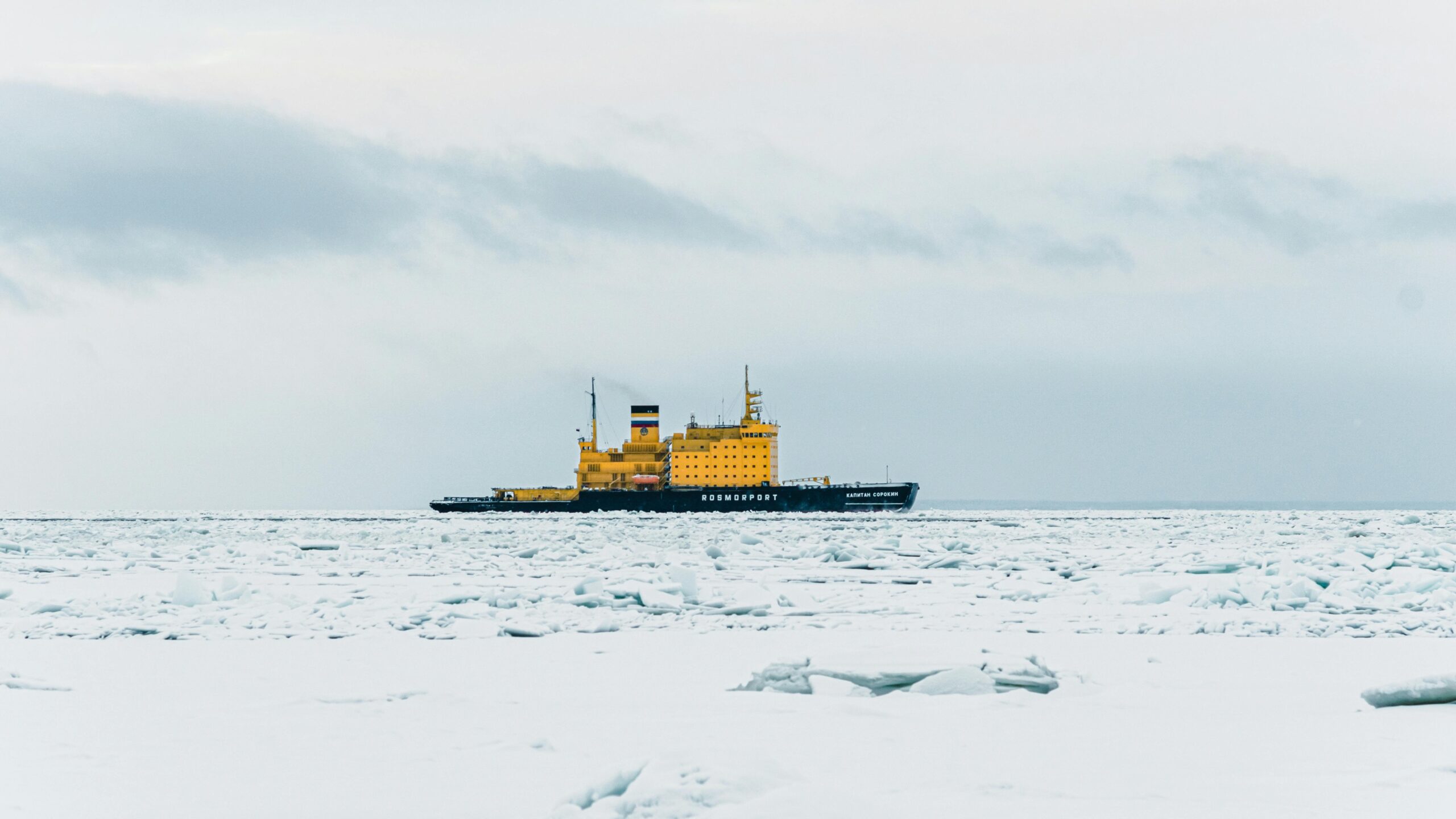
🏔️ Building Cold Weather Navigation Competence
Navigation mastery develops through progressive skill building and incremental exposure to challenging conditions. Don’t attempt extreme cold weather expeditions without first developing competence in controlled environments.
Practice navigation skills in local winter conditions before committing to remote expeditions. Day trips in nearby cold weather environments allow you to test equipment, refine techniques, and build confidence without serious consequences if things go wrong.
Seek training from experienced cold weather navigators. Professional courses in winter navigation, avalanche awareness, and cold weather survival provide structured learning that accelerates skill development and highlights knowledge gaps you might not recognize independently.
Cold weather navigation demands respect, preparation, and continuous learning. The checklists and protocols outlined here provide frameworks for safe navigation in frozen environments, but they require practice and adaptation to your specific conditions and abilities. Every expedition teaches lessons that make you more capable and confident.
As you prepare for your next cold weather adventure, remember that navigation excellence comes from attention to detail, disciplined protocols, and humble respect for challenging environments. Your comprehensive navigation checklist becomes the invisible safety net that allows you to explore frozen landscapes with confidence, knowing you have systems in place to guide you home regardless of what conditions you encounter. Stay vigilant, stay prepared, and stay on course.