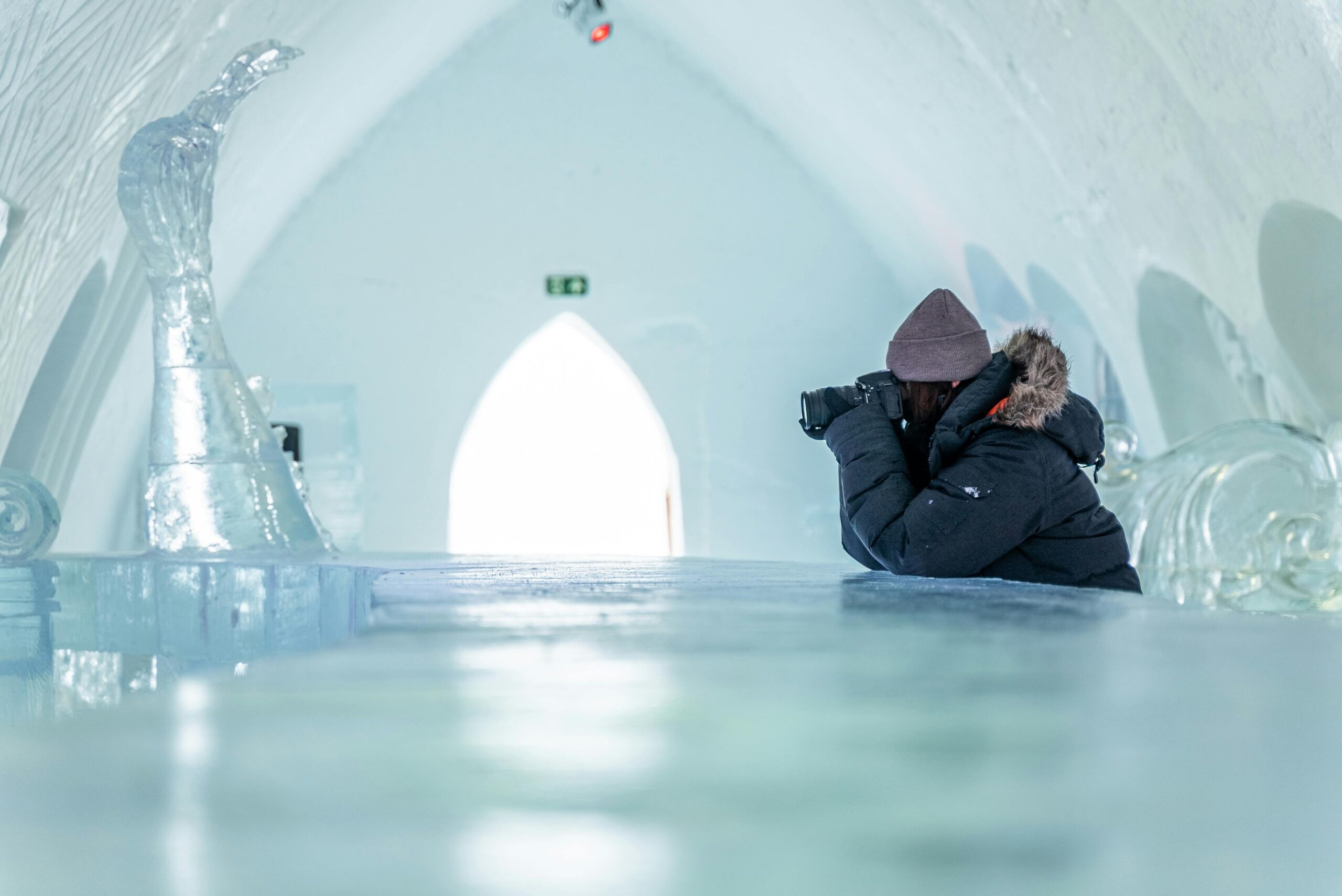
Frozen lakes and rivers offer thrilling winter recreation, but they also present serious dangers that demand respect, knowledge, and proper preparation before venturing out.

🧊 Understanding Ice Formation and Strength
Ice thickness alone doesn’t tell the complete story of safety on frozen water bodies. The quality, type, and formation conditions of ice significantly impact its load-bearing capacity. Clear blue or black ice, formed from frozen water, is the strongest and most reliable type. This dense ice can support considerably more weight than white or opaque ice, which contains air bubbles and snow that weaken its structure.
Temperature fluctuations create the most dangerous conditions for ice integrity. When temperatures hover around the freezing point, ice undergoes cycles of melting and refreezing that compromise its strength. Spring ice, even when thick, becomes particularly hazardous as warmer temperatures and sun exposure create hidden weaknesses beneath the surface.
Different water bodies freeze at varying rates and with different characteristics. Fast-moving rivers rarely freeze uniformly or safely, while stagnant ponds may develop reliable ice more quickly. Lakes with underwater springs, inflows, or currents present invisible danger zones where ice remains perpetually thin regardless of surrounding thickness.
The Golden Rules of Ice Thickness
Knowing minimum safe ice thickness for various activities forms the foundation of ice safety. These guidelines apply only to new, clear ice on calm freshwater bodies. Always increase these minimums significantly for white ice, and never trust ice thickness readings from a single location to represent entire water bodies.
For an individual walking or ice fishing, a minimum of 4 inches of clear ice is considered the absolute baseline. However, experienced ice enthusiasts often wait for 5-6 inches before venturing out, providing a critical safety margin. Snowmobile operation requires at least 5-6 inches, though 7-8 inches offers more comfortable security.
Cars and small trucks need a minimum of 8-12 inches of solid, clear ice, while medium trucks require 12-15 inches. These measurements assume ideal conditions with new, clear ice and should never be considered absolute guarantees of safety. Ice conditions can vary dramatically within just a few feet, making thickness measurements a continuous necessity rather than a one-time assessment.
⚠️ Recognizing Dangerous Ice Conditions
Visual assessment skills can save your life on frozen waterways. Learning to read ice surfaces helps identify weak spots before they become disasters. Pressure ridges, where ice plates collide and buckle upward, often indicate areas of instability and should be avoided or crossed with extreme caution.
Discolored ice patches deserve immediate attention and avoidance. Gray, dark, or slushy-appearing ice indicates weakness, often from water saturation or thawing processes. Snow-covered ice presents particular challenges because the insulating snow layer prevents you from visually assessing the ice quality beneath while simultaneously weakening the ice structure.
Open water areas, steam rising from the surface, or flowing water sounds beneath your feet all signal extreme danger. Near shorelines, docks, bridges, and other structures, ice typically remains thinner due to heat transfer, current disruption, and sun reflection. These transition zones between land and ice deserve extra scrutiny and cautious approach.
Essential Safety Equipment You Must Carry
Proper equipment transforms from optional gear to lifesaving necessities when ice conditions deteriorate unexpectedly. Ice picks or awls, worn around your neck or attached to your jacket, provide the primary tool for self-rescue if you break through. These spiked handles allow you to grip the ice edge and pull yourself out of the water.
A throw rope with at least 50 feet of floating line enables you to assist others from a safe distance without becoming a second victim. Practice throwing and using this rope before emergencies arise, as effective deployment under stress requires muscle memory and familiarity.
Wearing a personal flotation device designed for ice fishing maintains buoyancy if you enter the water, buying critical time for self-rescue or assistance. Modern ice fishing PFDs incorporate thermal protection and high-visibility colors that aid rescue efforts. Waterproof matches, a lighter, and fire-starting materials in a waterproof container address hypothermia risks if you become stranded or soaked.
A fully charged mobile phone in a waterproof case provides your communication lifeline. However, never rely solely on phone access, as batteries drain quickly in cold temperatures and coverage may be unreliable in remote areas. Inform someone of your exact location, planned route, and expected return time before every ice expedition.
🎣 Testing Ice Safely Before Committing Weight
Ice assessment begins before you step onto the frozen surface. Visual inspection from shore helps identify obvious danger signs like open water, cracks, or discoloration. Once you decide to proceed, approach the ice edge with extreme caution, keeping your weight distributed and an escape route clearly identified.
A spud bar or ice chisel serves as your primary testing tool. Strike the ice firmly ahead of you with each step during initial exploration. Solid ice produces a clear, ringing sound, while weak ice generates dull thuds or causes water to appear through cracks. If the chisel breaks through with one or two strikes, the ice is too thin and you must retreat immediately.
Drill test holes every 150 feet when traveling across unfamiliar ice to verify consistent thickness. Ice conditions change dramatically across water bodies due to currents, springs, depth variations, and sun exposure. What’s safe in one location may be dangerously thin just yards away.
Never test ice alone during early or late season conditions. Having a partner on shore with rescue equipment provides essential backup if the ice fails. Spread out from your companions when traveling across ice to distribute weight and ensure that one person’s breakthrough doesn’t trigger failure under multiple individuals.
Smart Travel Techniques on Frozen Surfaces
How you move across ice significantly impacts your safety. Walk with shuffling steps rather than bouncing or running, which concentrates force and can fracture marginal ice. Keep your hands out of your pockets to maintain balance and prepare for quick reactions if ice cracks appear.
When crossing questionable ice, consider crawling or lying flat to distribute your weight over a larger surface area. This technique dramatically reduces pressure per square inch and may allow safe passage across ice that would fail under concentrated weight. Have a rope secured to shore or held by someone on safe ice when testing marginal conditions.
Avoid ice with recent cracks, even if they’ve refrozen. These weak points persist as structural vulnerabilities. Similarly, steer clear of areas with multiple tracks converging, as repeated traffic concentrates stress and accelerates ice deterioration. Create new paths rather than following existing trails when ice quality is questionable.
❄️ Weather Patterns and Ice Safety
Temperature history matters far more than current conditions when assessing ice safety. A week of steady cold creates stronger ice than alternating freeze-thaw cycles, even if both produce the same thickness. Check weather records, not just current temperatures, before planning ice activities.
Wind accelerates ice melting through mechanical action and heat transfer, particularly as temperatures approach freezing. Strong winds can also create pressure ridges and break ice away from shorelines, leaving dangerous gaps hidden under snow bridges. Overcast conditions slow melting compared to bright sunshine, which penetrates ice and weakens it from within.
Rain and warm spells, even brief ones, severely compromise ice integrity. Water percolating through ice creates internal weaknesses invisible from the surface. After rain or significant thaw events, allow at least several days of hard freezing before returning to the ice, regardless of surface appearance.
What to Do If You Break Through Ice
Cold water shock hits immediately upon immersion, causing involuntary gasping and hyperventilation that can lead to drowning within seconds. Conscious control of breathing becomes your first survival priority. Force yourself to take slow, deliberate breaths despite the overwhelming panic response.
Orient yourself immediately and identify the direction you came from, as that ice supported your weight moments ago and offers your best exit route. Avoid trying to climb out perpendicular to your path, as that ice likely suffers from similar weakness that caused your breakthrough.
Use your ice picks or awls to grip the ice edge, then kick your legs horizontally to elevate your body position in the water. This kick-and-pull technique helps you slide onto the ice surface rather than trying to muscle yourself up vertically, which rarely succeeds with cold-weakened arms.
Once on the ice, don’t stand immediately. Roll away from the hole to distribute your weight, then crawl toward shore until you’re confident of solid ice beneath you. The minutes following extraction are critical for preventing hypothermia. Remove wet clothing if dry replacements are immediately available, otherwise keep wet clothes on to retain any warmth they provide.
🚑 Recognizing and Treating Cold Water Emergencies
Hypothermia progression follows predictable stages that determine treatment urgency. Mild hypothermia produces shivering, confusion, and impaired coordination. Moderate hypothermia includes violent shivering that eventually stops, severely impaired thinking, and loss of fine motor skills. Severe hypothermia brings unconsciousness, rigid muscles, and life-threatening cardiac instability.
After ice water immersion, you have approximately 10 minutes of meaningful movement before cold incapacitation occurs. This window defines your self-rescue timeline. Once out of the water, preventing further heat loss takes absolute priority. Seek shelter from wind, change into dry clothing, and apply external heat sources carefully.
Never rub frozen or near-frozen skin, as this damages tissue. Instead, warm the body core first with blankets, warm beverages (never alcohol), and gentle heat sources. Avoid applying intense heat directly to extremities, which can drive cold blood to the core and cause cardiac problems. Seek immediate medical attention for anyone displaying moderate to severe hypothermia symptoms.
Ice Safety for Different Activities
Ice fishing requires stationary positioning that allows detailed safety assessment before settling in. Drill multiple test holes to verify ice thickness, and relocate if measurements fall below safe minimums. Space shanties and groups apart to avoid overloading ice areas, particularly late in the season when degradation accelerates.
Skating and hockey introduce dynamic loads that stress ice differently than walking. Avoid organized games or large gatherings on ice less than 6-8 inches thick. The synchronized bouncing and movement of multiple skaters can create destructive resonance waves that fracture marginal ice.
Snowmobiling presents unique dangers from speed and vehicle weight. Travel at moderate speeds that allow reaction time for ice changes, and never assume maintained trails guarantee safe ice thickness. Underwater currents and springs create thin spots that persist throughout winter, often in unexpected locations. Carry a survival kit and wear appropriate flotation designed for snowmobile use.
🌊 Special Considerations for Rivers and Moving Water
Rivers demand exponentially greater caution than lakes. Current prevents uniform ice formation and creates persistent weak spots that shift location as water flow patterns change. Ice over moving water may be half as strong as lake ice of identical thickness, requiring doubled minimum thickness guidelines.
Areas downstream from dams experience variable water levels and flows that prevent reliable ice formation. Similarly, bridge pilings, rocks, and other obstacles disrupt ice continuity and create dangerous thin zones. White water sections, obvious from summer observations, rarely develop safe ice regardless of air temperature or season.
Springs entering rivers from below maintain open water or dangerously thin ice throughout winter. These spots may be invisible from the surface, covered by shelf ice or snow. Local knowledge becomes invaluable for river ice safety, as experienced outdoorsmen understand the specific hazards of particular waterways through years of observation.
Teaching Ice Safety to Children and Beginners
Children must understand that ice is never completely safe and that adult supervision and permission are mandatory before approaching frozen water. Teach them to recognize warning signs like cracks, color changes, and open water, emphasizing that curiosity about ice can be deadly without proper precautions.
Practice ice rescue techniques in controlled environments before emergencies arise. Show children how to distribute weight by lying flat, how to use throw ropes, and why they should never attempt direct contact rescue of someone who has fallen through. Role-playing these scenarios builds critical thinking skills that function under stress.
Beginners of all ages should accompany experienced ice travelers for several outings before venturing independently. This mentorship provides real-world examples of decision-making, equipment use, and hazard recognition that theoretical instruction cannot replicate. Emphasize conservative judgments and the acceptability of turning back when conditions appear questionable.
🏔️ Advanced Ice Assessment Techniques
Experienced ice travelers develop intuitive understanding of ice conditions through systematic observation and documentation. Keeping a journal of ice conditions, dates, temperatures, and locations builds valuable knowledge of specific water bodies. Patterns emerge showing how different lakes and rivers respond to weather conditions over years.
Ice color provides sophisticated information beyond simple blue versus white distinctions. Greenish tints may indicate algae presence that weakens structure. Extremely clear ice suggesting minimal air content typically indicates newer, stronger formation. Layered ice with distinct horizontal bands shows multiple freeze events and requires careful assessment of each layer’s integrity.
Sound interpretation goes beyond simple spud bar testing. Ice naturally cracks and booms as temperatures change, and these noises don’t necessarily indicate danger. However, learning to distinguish between benign thermal cracks and structural failure sounds comes only with experience and mentorship from knowledgeable ice travelers.
Climate Change Impacts on Ice Safety
Warming temperatures create increasingly unpredictable ice conditions across traditional ice recreation areas. Historical records of safe ice dates become less reliable as climate patterns shift. Areas that once provided consistent ice may now experience shorter seasons, thinner ice, or dangerous variability within single winters.
More frequent thaw-freeze cycles, even in traditionally cold regions, compromise ice integrity in ways that thickness measurements don’t fully capture. Ice that looks substantial may have internal weaknesses from repeated melting and refreezing. This reality demands even more conservative decision-making than previous generations practiced.
Stay informed about current conditions rather than relying on historical patterns or local traditions about when ice becomes safe. Connect with conservation officers, local ice fishing communities, and outdoor organizations that monitor and report actual conditions. Social media groups dedicated to specific water bodies often provide real-time ice condition reports that prove invaluable for safety planning.

🎯 Final Thoughts on Ice Recreation Safety
Frozen water adventures offer extraordinary outdoor experiences that connect us with winter’s unique beauty and recreational opportunities. However, these activities demand respect, preparation, and conservative judgment that many other outdoor pursuits don’t require. Ice appears solid and permanent, creating false confidence that has led to countless tragedies.
The difference between safe and deadly ice often exists in inches of thickness or subtle signs that untrained eyes overlook. Invest time in education, practice with equipment, and learn from experienced mentors before exploring ice independently. No fish, no shortcut, and no photograph justifies risking your life on questionable ice.
Remember that conditions change hourly during marginal weather, and yesterday’s safe ice may be today’s death trap. When doubt exists, stay off the ice. The strongest predictors of ice safety outcomes aren’t thickness measurements or equipment quality—they’re the judgment and caution exercised by the individuals who choose whether to venture onto frozen surfaces.
Make conservative decisions, carry proper equipment, inform others of your plans, and never travel alone on early or late season ice. These simple practices, combined with continuous learning and healthy respect for ice’s dangers, allow you to enjoy winter waterways while minimizing the very real risks they present. Stay safe, stay informed, and always prioritize coming home over any ice recreation objective.